

Colorado Real Estate Alliance objects to proposed large building energy efficiency rule

A proposed state energy reduction rule that could cost large building owners more than $2.5 billion for mandatory building upgrades raised objections from the Colorado Real Estate Alliance.
CREA is a coalition of real estate focused organizations with both residential and commercial interests, including associations and businesses that are involved in real estate construction, service, ownership and management.
The new Regulation 28, up for an Air Quality Control Commission rulemaking hearing beginning August 15, mandates building energy efficiency upgrades for some 8,000 buildings larger than 50,000 square feet of 7% by 2026 and 20% by 2030, below 2021 levels.
This includes condominiums or townhomes that share a building if they have shared centralized heating and cooling systems for water or air conditioning throughout the building, according to an Air Quality Control Commission decision.
The regulation “is a set of inflexible, one-size-fits-all building performance standards that many building owners will be unable to meet in the strict timeline provided” said CREA in an undated fact sheet.
“The costs to comply with these new mandates will potentially push the industry from a position of financial challenge to financial crisis and further contribute to Colorado’s housing affordability challenges,” according to the fact sheet.
Critics also said that the new regulation would in many cases force building owners to remove gas appliances and replace them with electric ones. They claim this amounts to setting an unlawful efficiency standard for existing gas appliances of zero emissions that violates federal law.
Fines for failing to submit an annual building energy use report, and failing to meet the building performance standards, would result in fines from $500 to $5,000.
Colorado Energy Office spokesperson Ari Rosenblum, in a statement to The Denver Gazette said: “First, I want to note that the Energy Office’s role is to implement the BPS (building performance standards) and we do not set the rulemaking process. CDPHE (Colorado Department of Public Health and Environment) is learning from places across the country that have already adopted building performance standards requirements and working to ensure this rule benefits Coloradans and reduces greenhouse gasses from buildings, as required by state law.”
The Colorado Air Pollution Prevention and Control Act established in HB 21-1286 authorizes the Commission to promulgate rules to implement the legislative directions.
The Air Quality Control Commission will be holding a rulemaking hearing from August 15 through 17. Public comments will be heard online only on August 15, from 4:30 p.m. to 7:30 p.m.
Party testimony and deliberations by the Commission will be held August 16 – 17 beginning at 9:00 a.m. Details about participation can be found at cdphe.colorado.gov/aqcc

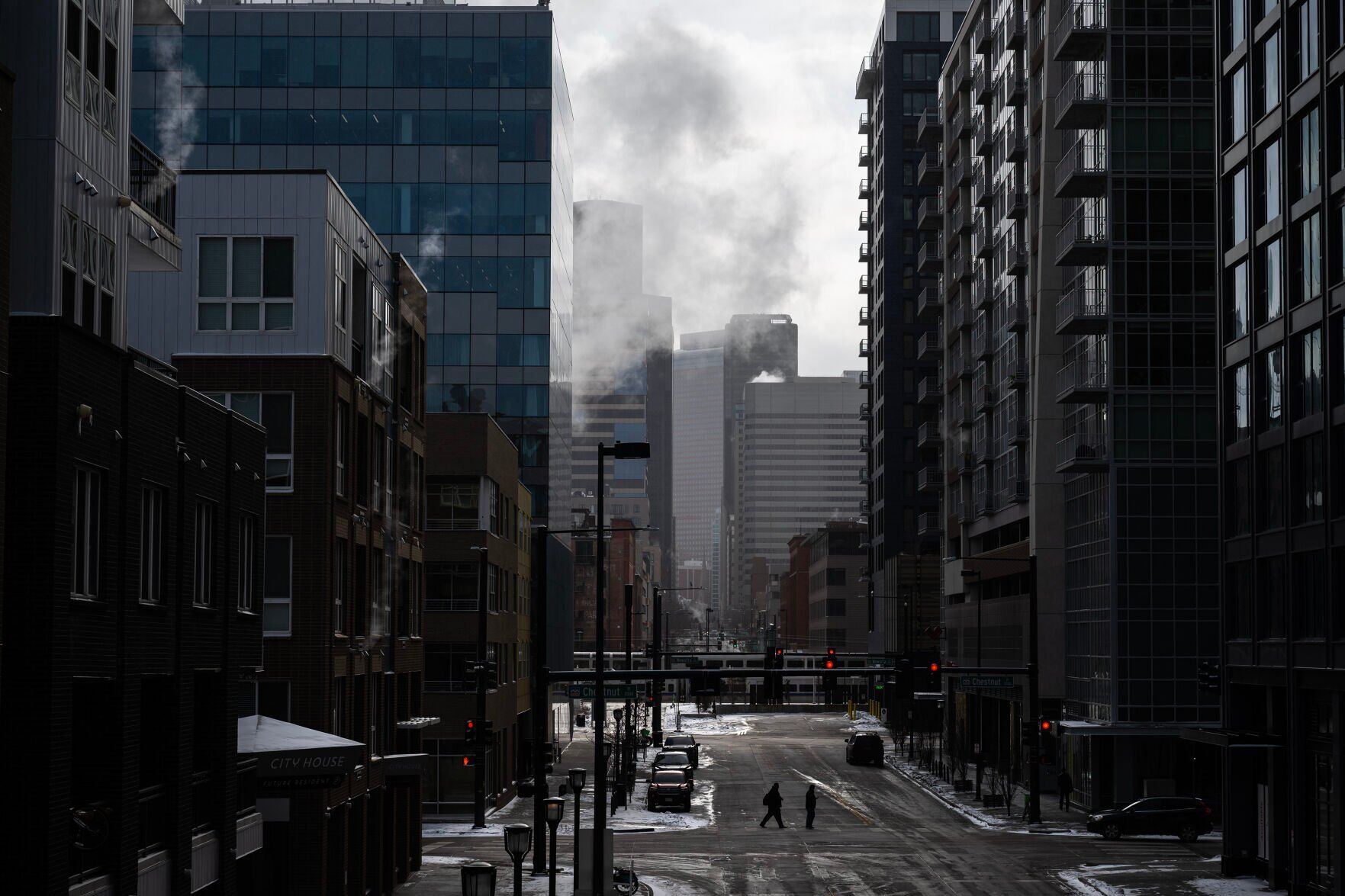


Primary rival sues to prevent Democrat Eileen Laubacher from going through assembly in Colorado’s 4th CD
Ernest Luning
ernest.luning@coloradopolitics.com
Updated 13 hours ago
Democratic congressional candidate Trish Calvarese on Monday asked a judge to prevent one of her primary rivals, Eileen Laubacher, from participating in the caucus and assembly process to seek the nomination to challenge Republican U.S. Rep. Lauren Boebert in Colorado’s...
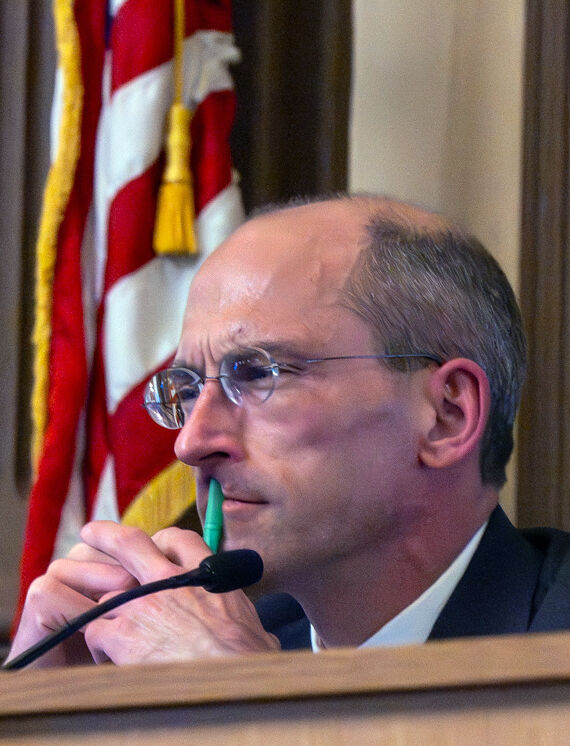
Colorado lawmakers tackle legislation on sexual assault
Jenny Deam
jenny-deam@coloradopolitics.com
Updated 2 hours ago
A panel of Colorado lawmakers on Monday unanimously approved a bill that supporters say will offer protections and support to victims of domestic violence, stalking, sex trafficking and sexual assault, including mandatory training for law enforcement on trauma. The measure,...
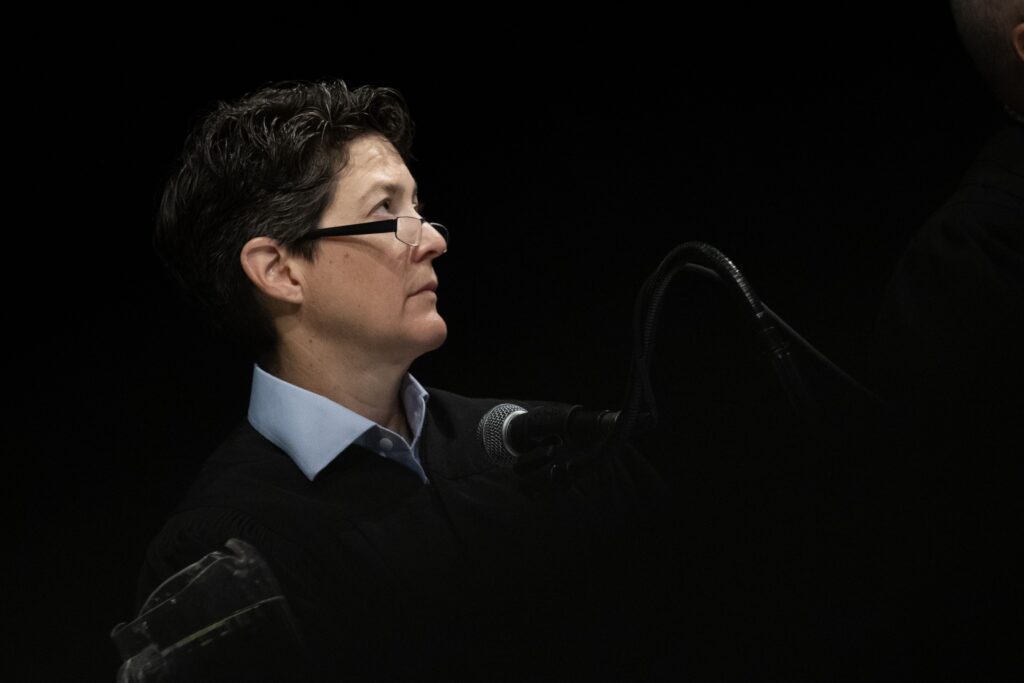
Colorado Supreme Court clarifies restraining order violations can always support burglary charge
Michael Karlik
michael.karlik@coloradopolitics.com
Updated 16 hours ago
The Colorado Supreme Court’s majority ruled on Monday that a violation of a restraining order can also serve as a basis for finding a defendant guilty of burglary. Under state law, a person commits second-degree burglary by unlawfully entering or...

Big week ahead for major legislation to address housing affordability woes
Zach Halaschak, Washington Examiner
zach.halaschak.washington.examiner@gazetteedit.wpenginepowered.com
Updated 19 hours ago
The Senate is pushing ahead with a bipartisan bill to improve housing affordability, teeing up a critical week for housing on Capitol Hill and raising major questions about what provisions will be included. Senate Majority Leader John Thune (R-SD) filed cloture on legislation from the...

Macron goes nuclear with increases to French warhead arsenal
Timothy Nerozzi, Washington Examiner
timothy.nerozzi.washington.examiner@gazetteedit.wpenginepowered.com
Updated 19 hours ago
French President Emmanuel Macron is channeling the atomic spirit of his predecessor Charles de Gaulle with orders for the French military to “increase the number of nuclear warheads” in the nation’s arsenal. Macron announced the seismic shift in France’s defensive...

Who has been killed so far during US-Israel mission in Iran?
David Zimmermann and Keely Bastow, Washington Examiner
david.zimmermann.and.keely.bastow.washington.examiner@gazetteedit.wpenginepowered.com
Updated 19 hours ago
There have been numerous casualties on all sides since the joint U.S.-Israel strikes against Iran commenced over the weekend, with more lives expected to be lost as the campaign continues. The Islamic regime’s leadership is currently bearing the brunt of...
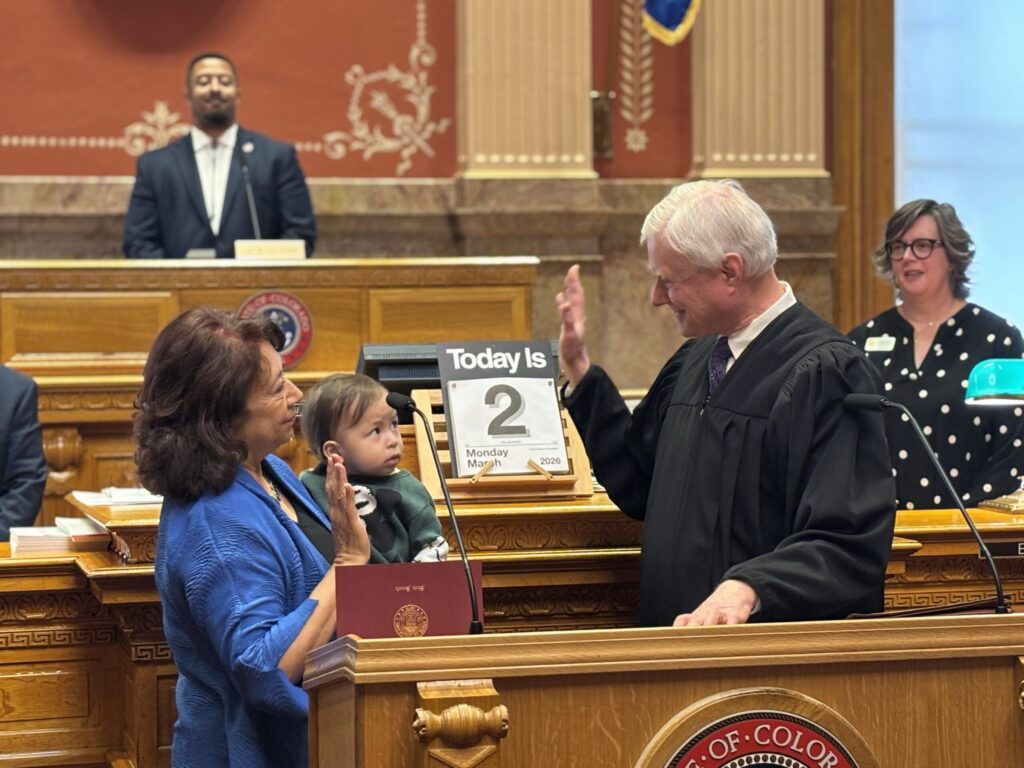
Colorado Senate swears in Adrienne Benavidez after district vacancy win
Marianne Goodland
marianne.goodland@coloradopolitics.com
Updated 19 hours ago
Sen. Adrienne Benavidez, a Democrat from Adams County, was sworn in Monday to the Colorado Senate, just four days after winning a vacancy election in District 21. She was sworn in by Colorado Court of Appeals Justice Lino S. Lipinsky...

10th Circuit judge creates vacancy, district court gets new chief judge | COURT CRAWL
Michael Karlik
michael.karlik@coloradopolitics.com
Updated 20 hours ago
Welcome to Court Crawl, Colorado Politics’ roundup of news from the third branch of government. A longtime member of the Denver-based federal appeals court will give the president a vacancy to fill, plus Colorado’s federal trial court will see a...

Denver mayor says his commute time tripled following ‘road diet’ change
Mark Samuelson Special to The Denver Gazette
mark.samuelson@denvergazette.com
Updated 18 hours ago
Mayor Mike Johnston is pushing back sharply against the claim by Denver councilmembers and bike activists that the city succumbed to lobbying pressure in revising a “road diet” plan for East Alameda Avenue, while noting that his own commute time...

Rural legislators, Colorado farmers defeat pollinator bill backed by Gov. Polis
Marianne Goodland
marianne.goodland@coloradopolitics.com
Updated 19 hours ago
A proposal to limit the use of neonicotinoid-coated crop seeds collapsed in the Senate Agriculture and Natural Resources Committee last week, as rural lawmakers, including two Democrats, joined Republicans to reject what they called an expensive, impractical mandate on farmers....
PREV
PREVIOUS
Colorado lawmakers press insurance carriers to honor Friday Health Plan deductibles
A cadre of nearly 30 Colorado lawmakers urged state health insurance carriers in a letter Thursday to honor the payments former Friday Health Plan enrollees paid toward their deductibles and out-of-pocket maximums. To date, the Colorado Department of Insurance has reached agreements with Kaiser Permanente and Denver Health. Roughly 85% of Friday enrollees have access […]
Appeals court orders prison riot charges reinstated against Fremont County inmate
Colorado’s second-highest court on Thursday concluded a trial judge and a magistrate in Fremont County both mistakenly dismissed prison rioting charges against an incarcerated man when they should have found probable cause existed to proceed to trial. During a preliminary hearing in the case of Dreion M. Dearing, where the prosecution needed to demonstrate probable […]