

Colorado’s Brittany Pettersen cheers Biden’s mental health parity rule announcement at White House
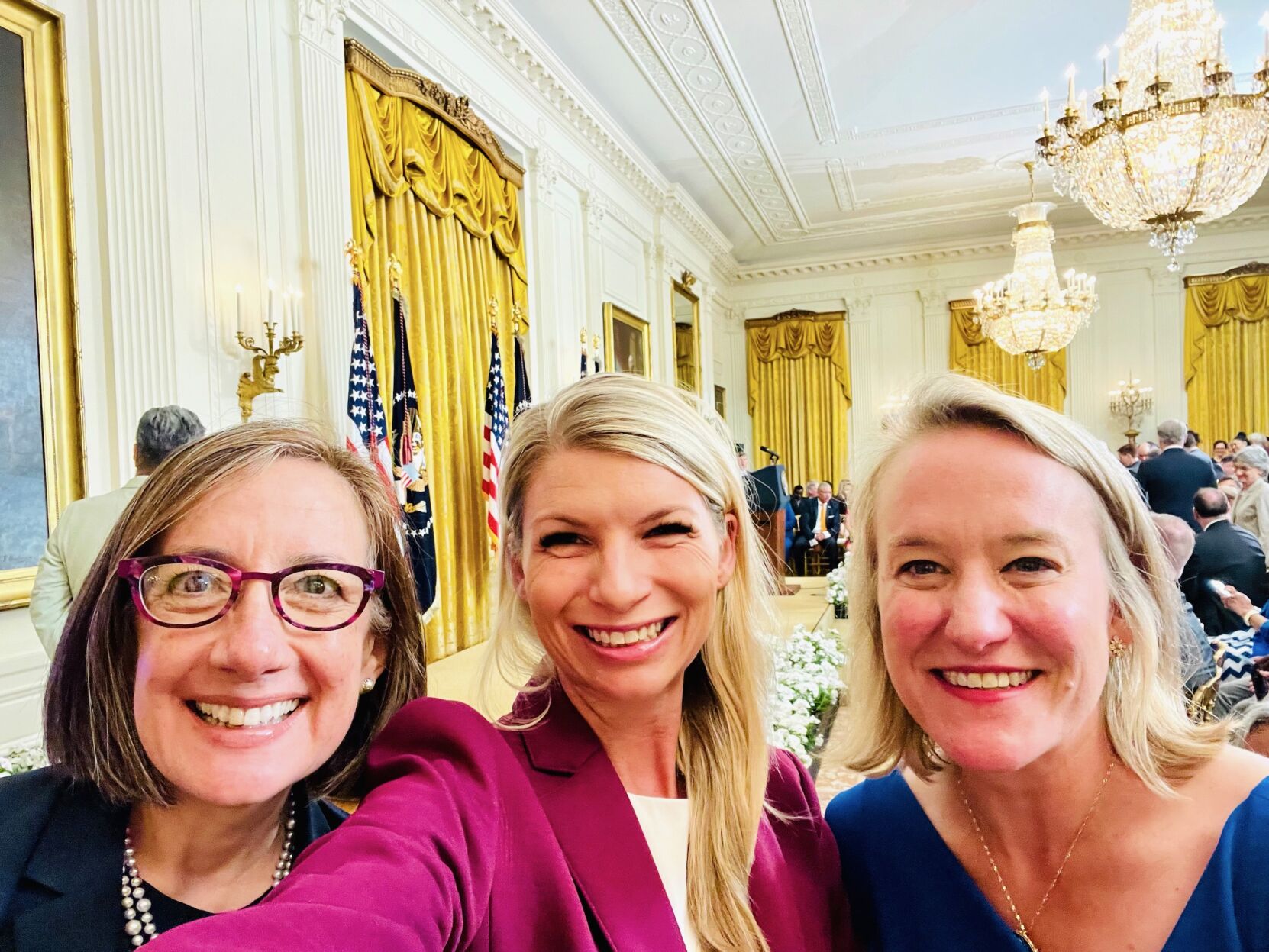
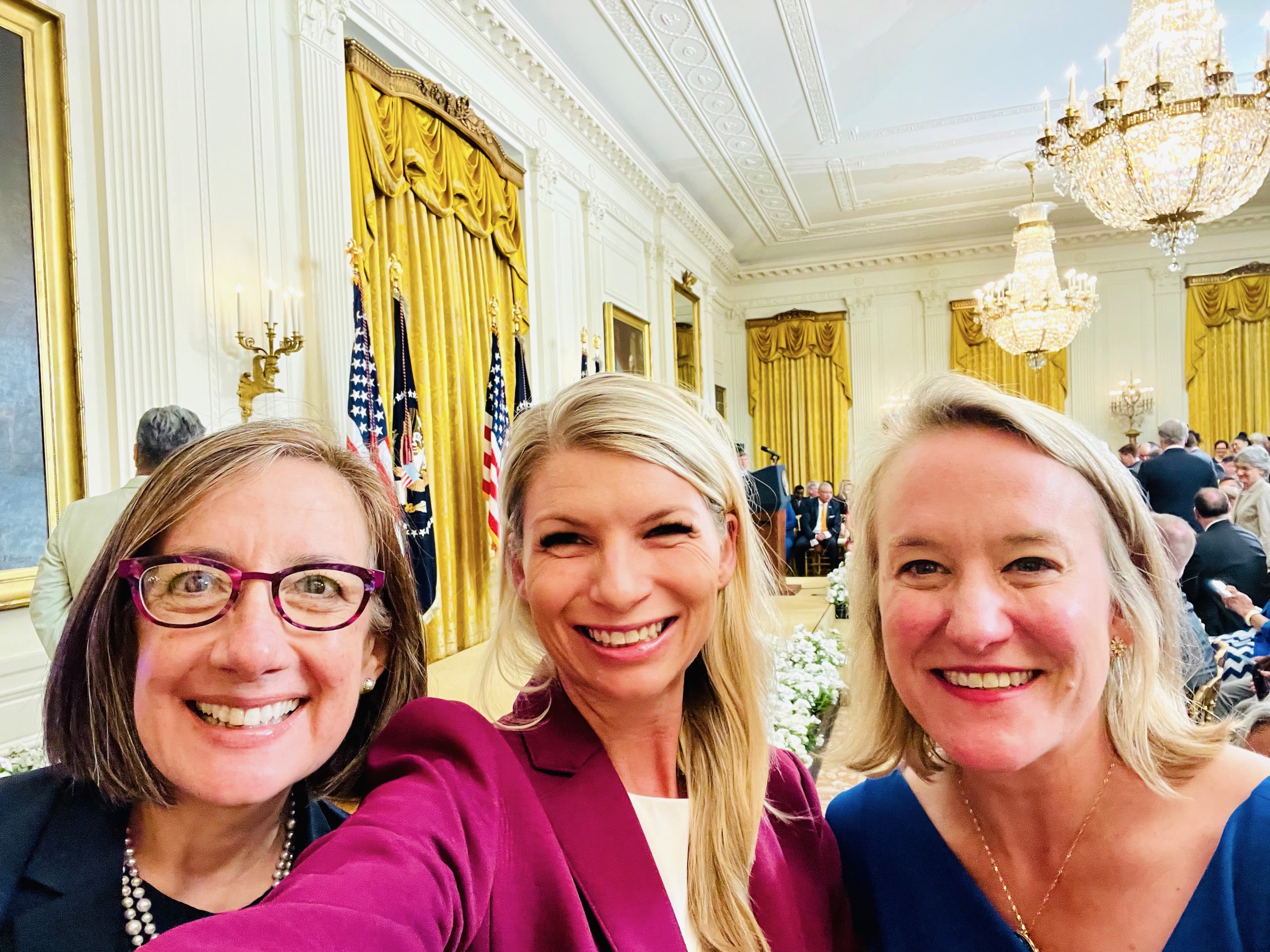
U.S. Rep. Brittany Pettersen joined fellow lawmakers and mental health care advocates at the White House this week to hear President Joe Biden unveil a new federal rule she says will go a long way toward increasing access to treatment for people with mental health and substance use disorders.
The first-term Lakewood Democrat was among a group that included Acting Labor Secretary Juli Su, Michigan Sen. Debbie Stabenow and 14 House members who were on hand Tuesday afternoon for the announcement.
“It was an honor to be one of the select members that were invited for the president’s very important announcement around increasing access to mental health care, as well as substance use disorder, treatment and recovery services,” Pettersen told Colorado Politics.
“This is a big step forward.”
The proposed rule is designed to enforce changes Congress made in 2020 to the Mental Health Parity and Addiction Equity Act, the White House said in a release.
“I don’t know what the difference between breaking your arm and having a mental breakdown is,” Biden said. “It’s health. There’s no distinction. It’s health.”
Calling mental health care and treatment for substance abuse out of reach for most Americans, Biden added: “We must fulfill the promise for mental health parity for all Americans.”
Pettersen, who has made increasing access to mental and behavioral health care a focus of her political career, said she is encouraged by the announcement.
“These are things that far too often have had stigma attached that that weren’t a top priority for most people,” she said. “So, we’re really lucky to have a president that leads on these issues, who fights for people that are constantly left behind, like my mom.”
A 10-year state legislator before her election last fall in the Jefferson County-based 7th Congressional District, Pettersen said she’s been inspired to lead efforts to combat the opioid crisis by her mother Stacy’s decades-long struggles with addiction.
Richele Keas, senior media manager for the National Alliance on Mental Illness, introduced Biden at the event with a story about her efforts to secure mental health care for her daughter.
Pettersen said she was moved by Keas’ description of the barriers she faced.
“It really, I think, highlights the failures of this system and why this is so important,” Pettersen said.
The rule Biden announced will require that private health insurance plans track whether they provide the same levels of access to mental health and medical care, and fix things if they don’t.
Among the factors private insurers will have to consider are the status of their provider network, how much they pay out-of-network professionals and how frequently the plan requires prior authorization for treatment, according to the White House press office. Health plans will also have to use similar factors when setting payment rates for out-of-network mental health and substance use disorder providers as they do for medical providers.
Pettersen said it’s critical that insurance plans “identify the gaps in the services that they provide,” including whether they have enough professionals available to deliver the coverage they promise.
Too often, Pettersen added, plans insist they’re complying with legal requirements by offering coverage but don’t actually provide the access they describe.
“These are just some of the significant barriers that people have identified,” she said. “(Insurers) can say, ‘Oh, yeah, we cover it,’ but nobody is in their network because they aren’t compensating enough for providers. And when people have to go out of network, they’re denied actually having the services covered.”

Colorado leaders weigh next steps after Supreme Court rejects state ban on ‘conversion therapy’
Marissa Ventrelli
marissa.ventrelli@coloradopolitics.com
Updated 10 hours ago
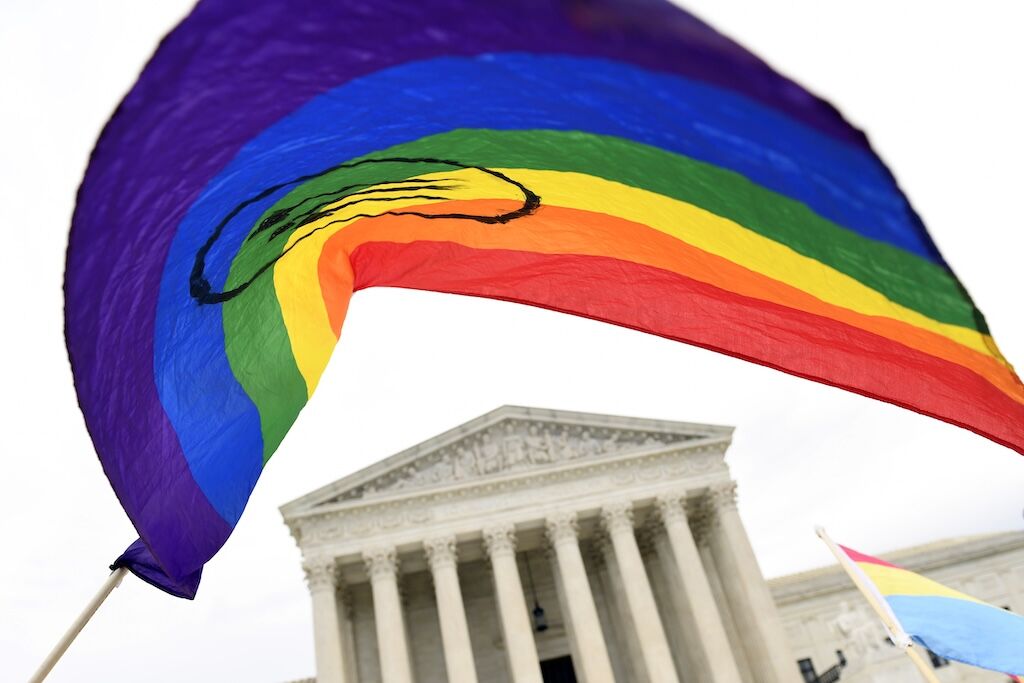
Colorado leaders said they are weighing next steps after the U.S. Supreme Court on Tuesday rejected the state’s ban on “conversion therapy” for children, as critics and supporters cheered or lambasted the ruling. The court’s near-unanimous decision called the Colorado...
Federal judge dismisses U.S. government lawsuit against Colorado, Denver’s ‘sanctuary’ laws
Michael Karlik
michael.karlik@coloradopolitics.com
Updated 9 hours ago
A federal judge dismissed the U.S. government’s lawsuit against Colorado and Denver on Tuesday, which alleged that various local policies impermissibly infringed on federal immigration enforcement. U.S. District Court Judge Gordon P. Gallagher followed the lead of judges in Illinois...
Denver proposes yearlong moratorium on new data centers
Deborah Grigsby
deborah.smith@denvergazette.com
Updated 12 hours ago
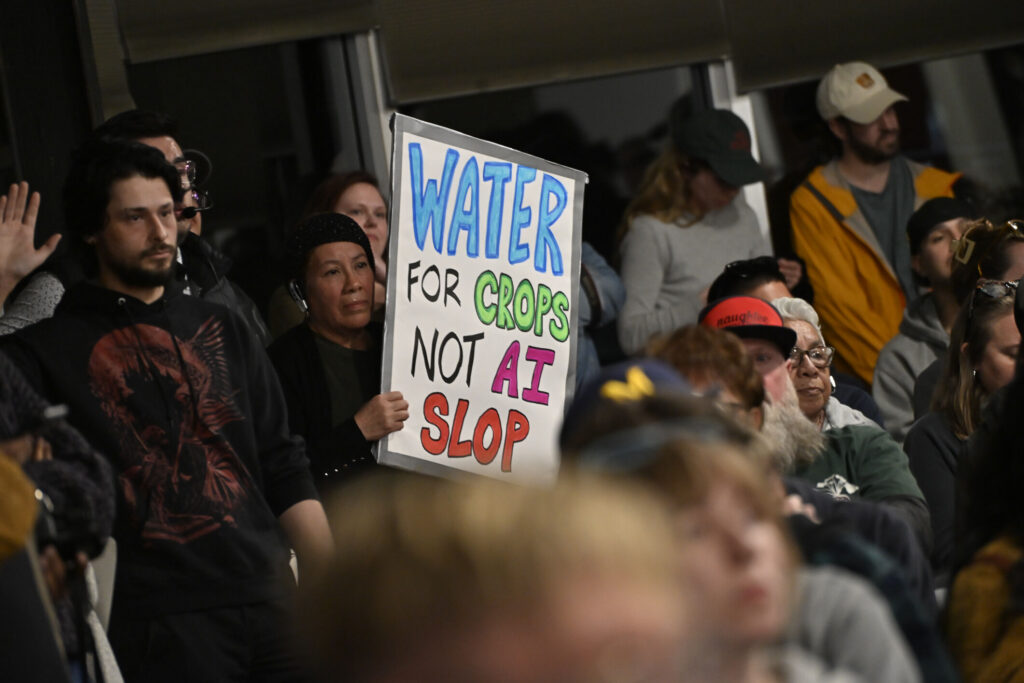
As Denver Water calls for a 20% reduction in water use during Stage 1 drought conditions, City Council members advanced a bill to rein in one of the largest water users — data centers — by proposing a yearlong moratorium...
Federal judge finds DOJ adequately searched for, disclosed records related to Bidens
Michael Karlik
michael.karlik@coloradopolitics.com
Updated 14 hours ago
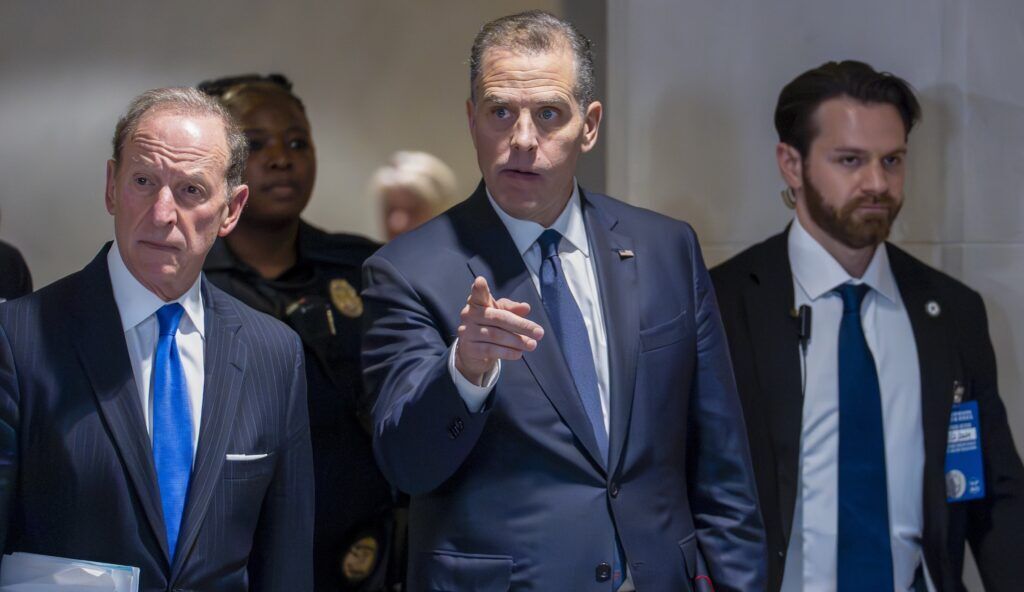
A federal judge determined on Friday that the U.S. Department of Justice adequately searched for and disclosed records to a Colorado attorney in response to his request for documents related to former President Joe Biden’s son and brother. In November...

Colorado lawmakers push legislation to shrink RTD board, increase pay as ridership struggles continue
Marissa Ventrelli
marissa.ventrelli@coloradopolitics.com
Updated 14 hours ago
Colorado lawmakers are advancing a new push to overhaul the Regional Transportation District, proposing to shrink the board, raise member pay, and boost ridership back to pre-pandemic levels. While some stakeholders see the effort as a step forward, others warn...
Appellate court slap downs in Trump cases highlight mounting tension in the judiciary
Jack Birle, Washington Examiner
jack.birle.washington.examiner@gazetteedit.wpenginepowered.com
Updated 16 hours ago
The Trump administration has won key reversals of lower court rulings against it in appeals courts — many of which have sharply rebuked the district court’s earlier rulings, highlighting growing tensions within the judiciary. Since January 2026, federal appeals courts...

10th Circuit warns lawyers after finding fake case in filing
Michael Karlik
michael.karlik@coloradopolitics.com
Updated 7 hours ago
The Denver-based federal appeals court warned attorneys to be more careful last month after discovering one lawyer cited a fake case in his arguments. In recent months, federal and state judges in Colorado have begun cautioning lawyers explicitly about the...

Colorado legislators drove up cost of Medicaid program
Marissa Ventrelli
marissa.ventrelli@coloradopolitics.com
Updated 16 hours ago
Some of Colorado’s spending woes in Medicaid can be traced to lawmakers who had approved new or expanded programs in the last few years, driving up state costs to the tune of tens of millions of dollars. Just three measures...
Supreme Court rules against Colorado ban on ‘conversion therapy’ for LGBTQ kids
Lindsay Whitehurst
lindsay.whitehurst@associatedpress.com
Updated 20 hours ago
WASHINGTON (AP) — The Supreme Court on Tuesday ruled against a law banning “conversion therapy” for LGBTQ+ kids in Colorado, one of about two dozen states that ban the discredited practice. An 8-1 high court majority sided with a Christian...

A perfect storm: Pine beetles thriving following warm, dry winter in Colorado
O'Dell Isaac
odell.isaac@gazette.com
Updated 17 hours ago
The warmest winter in Colorado history could lead to record-breaking proliferation of a tiny insect, about the size of a grain of rice, that has killed millions of acres of trees across the Centennial State and contributed to the rapid...
PREV
PREVIOUS

Year-round fire risk returning across Colorado with hotter, drier weather
Hot and dry conditions in July have increased the risk for year-round fires despite higher-than-usual rainfall in the spring. After massive downpours along Colorado’s Front Range during an exceptionally wet June softened into shorter and lighter rainfall, daily high temperatures creeped into the mid-90s and moderately dry conditions returned across the southwest portions of Colorado. […]

10 key turning points in Colorado's recent political evolution | COVER STORY
If you’re like many keen observers of Colorado’s evolving political landscape, you’ve probably spent some time lately asking yourself a burning question: How did we get here? Over the past 20 years, Colorado’s political makeup has completely turned upside down, going from a conservative-leaning state with Republicans holding nearly every statewide office and majorities in […]