

Denver helped more than 5,000 immigrants since December
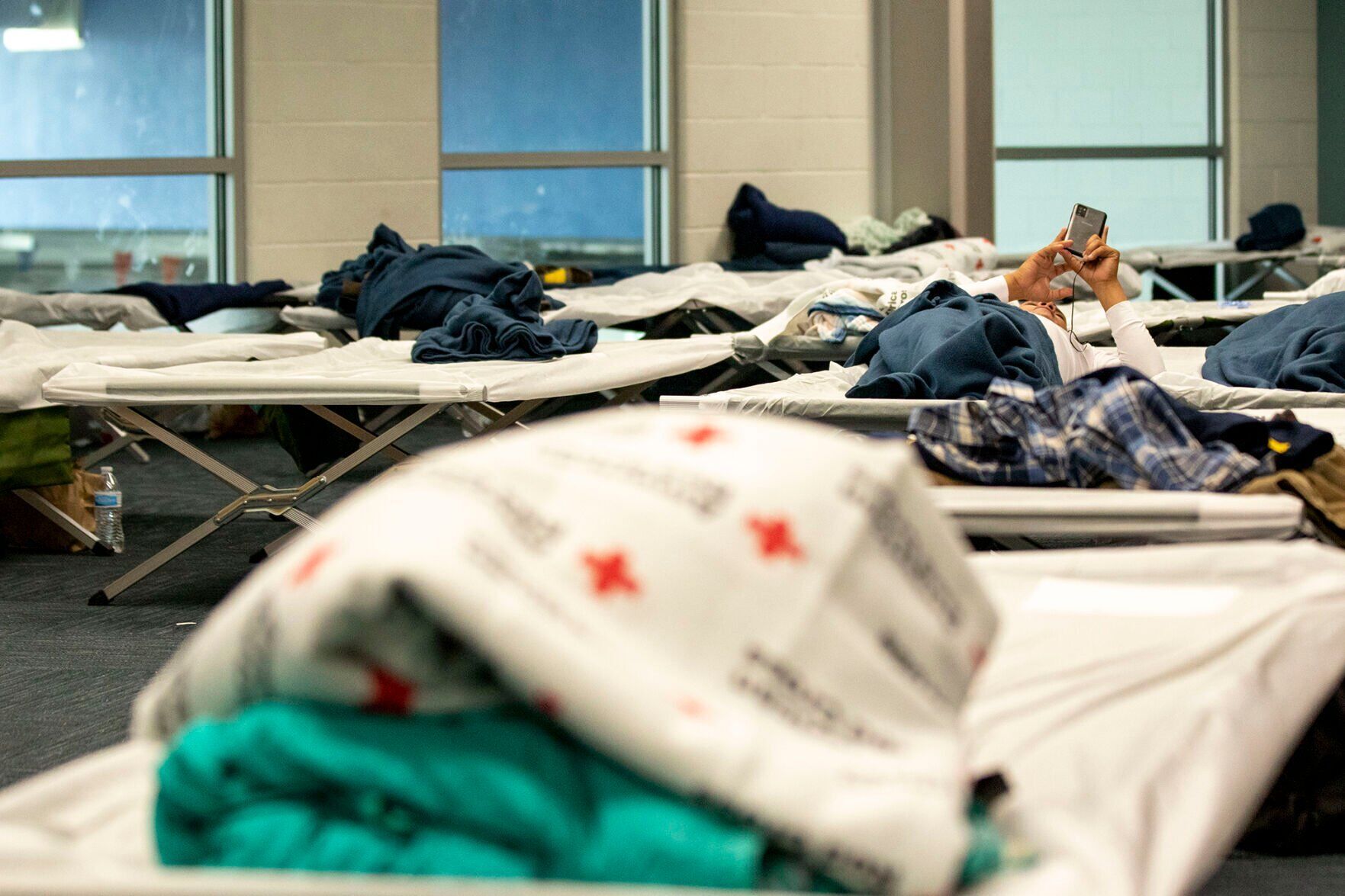
More than 5,000 immigrants from South and Central America have arrived in Denver since early December when an influx of new arrivals prompted city leaders to set up temporary shelters and declare an emergency.
Denver hit the milestone over the weekend. Nearly half of the immigrants came between Dec. 19 and Jan. 3. The city has seen fewer than 50 immigrants arrive each night since mid-January, according to data from Denver’s Joint Information Center.
Is Colorado a ‘sanctuary’ state?
“Our systems are a little bit relieved seeing fewer migrants coming each day,” said Ryan Jeffers, a JIC spokesperson.
Historically, immigrants have settled where they can find support, typically in cities where family and friends already live.
“Right now, the level of desperation is so high they’re doing whatever they can to enter the country,” said Laura Lunn, director of advocacy and litigation for the Rocky Mountain Immigrant Advocacy Network.
The majority of the 5,091 immigrants who have arrived in the city since early December have been from Venezuela. Mayor Michael B. Hancock said the crisis strained city resources.
In early February, city officials estimated that Denver had spent about $5 million responding to the influx of immigrants.
Officials will not have an up-to-date tally on the costs until Tuesday, Jeffers said.
More than 100,000 Denver County residents identify as immigrant or refugee, according to the Immigrant and Refugee Affairs Office for Human Rights & Community Partnerships.
The vast majority of new arrivals have stopped here on their way to somewhere else, most notably New York and Illinois, city data shows.
About 30% of immigrants coming to Denver intend to stay here, city and state officials said.
Number of immigrants in Denver triples since emergency declaration
City officials had hoped to curb the length of time immigrants required food and shelter, limiting their stay to two weeks or less. Instead, the city transferred responsibility for sheltering the immigrants to nonprofit partners and religious organizations.
Housing and work opportunities continue to be the greatest barriers for the new arrivals. But finding work and housing within two weeks of arriving, Lunn said, is a big ask.
“In my experience, people try to figure out a stable way of living as quickly as possible,” Lunn said.


Colorado senators hold heated debate on latest immigration bill
Marianne Goodland
marianne.goodland@coloradopolitics.com
Updated 2 hours ago
A bill that would allow individuals who get injured during an immigration action to sue federal agents in state court won preliminary approval from the Colorado Senate on Monday. The bill would permit a “cause of action” by such individuals...

Trump pulls endorsement from Jeff Hurd over tariffs, backs Colorado Republican’s primary challenger
Ernest Luning
ernest.luning@coloradopolitics.com
Updated 55 minutes ago
President Donald Trump on Saturday rescinded his endorsement of U.S. Rep. Jeff Hurd and threw his support behind the Colorado Republican’s primary challenger, Hope Scheppelman, citing the first-term incumbent’s “lack of support” for the administration’s tariff policy. The move comes...
Colorado Senate Democrats choose Sen. Cathy Kipp as president pro tempore
Marianne Goodland
marianne.goodland@coloradopolitics.com
Updated 3 hours ago
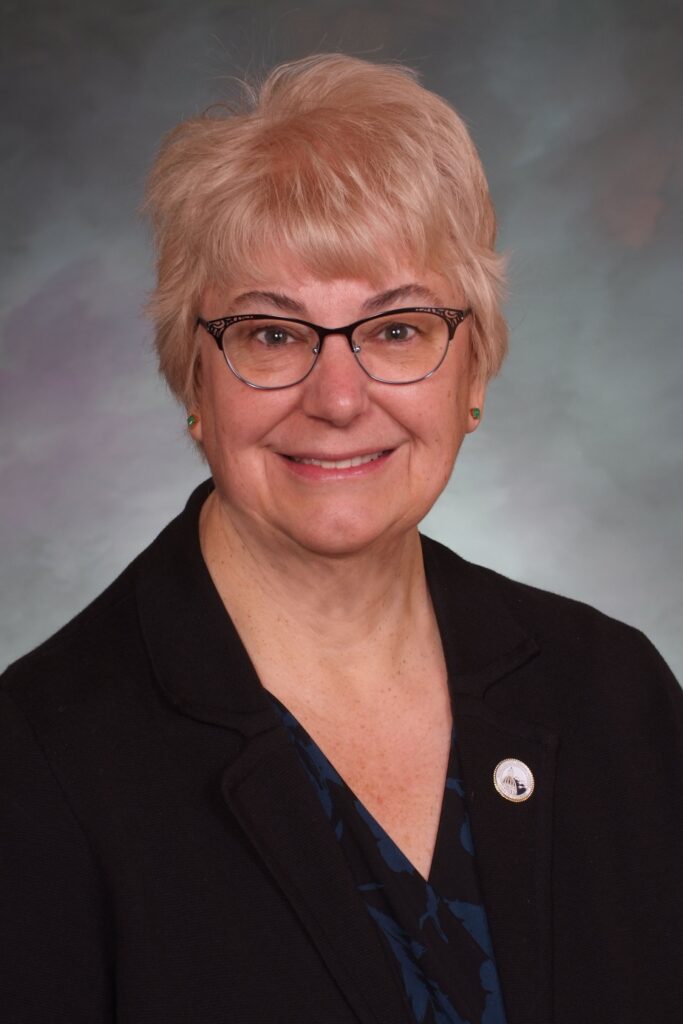
Senate Democrats on Monday elected Sen. Cathy Kipp, D-Fort Collins, as the next president pro tempore. Kipp replaced former Sen. Dafna Michaelson Jenet, D-Commerce City, who resigned her seat earlier this month. Kipp faced off against Sen. Tony Exum, D-Colorado...
Divided appeals court reverses murder convictions due to faulty self-defense instruction
Michael Karlik
michael.karlik@coloradopolitics.com
Updated 5 hours ago
Colorado’s second-highest court concluded last week that an incomplete self-defense instruction required the reversal of an El Paso County defendant’s murder convictions. Demetrius Montez Martin was among those present late at night at a club in Colorado Springs. An argument...
With deadline looming, Colorado House Ethics Committee narrows case against Rep. Ron Weinberg
Marianne Goodland
marianne.goodland@coloradopolitics.com
Updated 5 hours ago
With a Wednesday deadline to vote on seven ethics allegations against Rep. Ron Weinberg, R-Loveland, the Colorado House Ethics Committee signaled that it is poised to dismiss most of the claims, including campaign finance, conduct and firearm-related accusations, while focusing...
Democratic lawmakers propose changes to landlord-tenant laws in Colorado | Bills in Brief
Marissa Ventrelli
marissa.ventrelli@coloradopolitics.com
Updated 6 hours ago
Colorado lawmakers introduce hundreds of bills each year. Bills in brief cuts through the noise by explaining which proposals matter, what’s at stake, and how decisions at the Capitol could affect everyday life across the state. House Bill 1013, sponsored by Reps....
Colorado colleges must conduct wellness check if a student is reported missing under proposal
Marissa Ventrelli
marissa.ventrelli@coloradopolitics.com
Updated 3 hours ago
Spurred by the deaths of two young adults last year, a group of Colorado lawmakers is pushing legislation to require colleges to conduct wellness checks within six hours of a missing student report. The measure would also mandate statewide law...
Judge permanently blocks release of Trump classified documents report
Kaelan Deese, Washington Examiner
kaelan.deese.washington.examiner@gazetteedit.wpenginepowered.com
Updated 2 hours ago
A federal judge permanently barred the Justice Department on Monday from releasing the portion of former special counsel Jack Smith’s final report detailing his investigation into President Donald Trump’s handling of classified documents, delivering a sharp rebuke of the prosecutor’s...
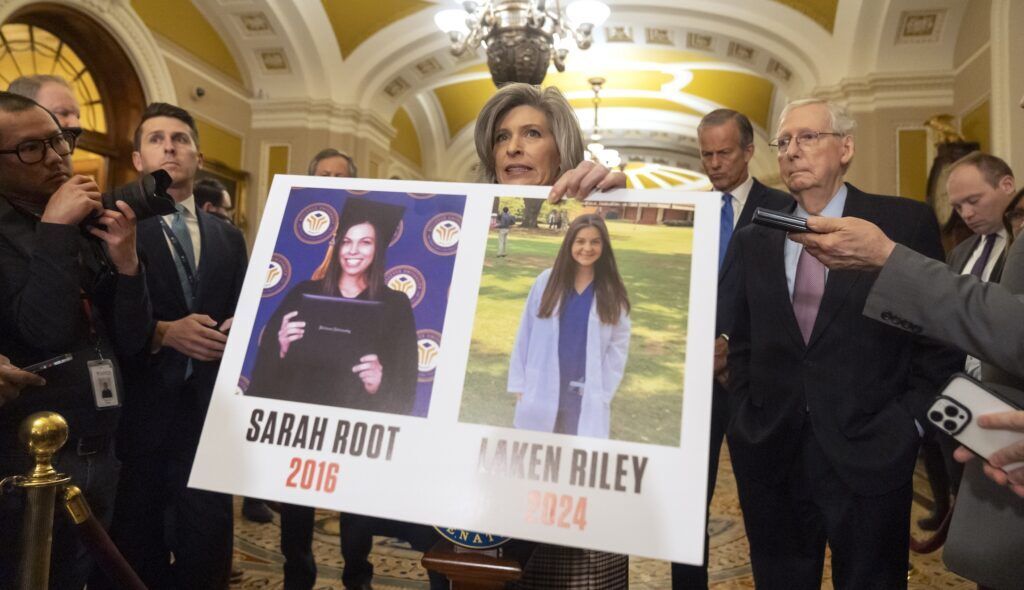
Trump declares National Angel Family Day for illegal immigrants’ victims
Mabinty Quarshie, Washington Examiner
mabinty.quarshie.washington.examiner@gazetteedit.wpenginepowered.com
Updated 6 hours ago
President Donald Trump on Monday designated Feb. 22 as National Angel Family Day in honor of 62 people who were killed by illegal immigrants and two others who survived attacks. Trump signed a proclamation making the designation official at an...

Colorado lawmakers mull competing bills on data centers
Scott Weiser
scott.weiser@gazette.com
Updated 32 minutes ago
A Colorado coalition of data center developers and operators is urging lawmakers to pass a proposal that offers tax breaks to attract large facilities, while calling a competing bill a major obstacle to new investment. Meanwhile, proponents of the latter...
PREV
PREVIOUS

Colorado House OKs banning local immigration detention agreements
Colorado legislators advanced a bill Monday seeking to further reduce local involvement in federal immigration operations. If passed into law, House Bill 1100 would prohibit state and local governments, law enforcement agencies and jails from entering or renewing contracts with U.S. Immigration and Customs Enforcement (ICE) to house people suspected of civil immigration violations, and […]

Justices to hear Adams County school district's challenge to state order, vehicle insurance appeal
The Colorado Supreme Court agreed on Monday to hear two cases involving the ability of an Adams County school district to challenge a reorganization order from the state, and the parameters of auto insurance policies covering antique or classic cars. At least three of the court’s seven members must consent to take up an appeal. […]