

Ag in classrooms stems state’s urban-rural divide | GABEL
In one classroom, a little boy sat and listened as a man in cowboy boots read. He showed the students the pictures on each page as he read about Hereford steers and auctioneers. He leaned closer to inspect an illustration of a sale barn with ring men taking bids. He had never heard of buying cows on a phone and his eyes widened as the man reached into his shirt pocket, pulled up the sale in Sterling, and filled the room with the sound of auctioneer Jason Santomaso selling cattle 100 miles away.
In another classroom, a little girl listened to a woman read about a farmer turned soldier who helped pick peaches and others who were far from home, working in the fields, who felt the kindness of the family farmer employing them. She heard the woman speak about kindness and recipes that taste like home. Later, she took a small cup of peach juice in her hands, took a sip and could picture the crates of fresh and fuzzy peaches on a hoopie.
In another classroom, a little girl listened closely to how a wool fleece floated like a jellyfish when it was thrown on the skirting table, leaving the ewe cooler and more comfortable. When the story described the herder keeping the sheep safe as a mountain lion screamed in the dark, she could understand the importance of caretakers. When she held a tree cookie and could smell the forest where the sheep spend their summers, she longed to see the woolly wave of trotting ewes through the towns on the way back to the ranch.
The Ag in the Classroom project is arguably one of the most important programs in schools. It is a national effort, and the Colorado Foundation for Agriculture coordinates the volunteers, classrooms and materials in our state. The program is free and includes a copy of the book selected that year, a program guide, content and activity guides for educators, Google slides of the book and a poster contest for students. Annually, the program is presented in more than 500 classrooms and reaches 10,000 students and their teachers.
Volunteers from the agriculture community are paired with schools, read the story, answer questions and even speak about their own operation and knowledge of the industry. Each book has accompanying materials – samples of wool or tastes of Colorado peach juice – that allow students to experience the industry even if in just a tiny bite.
For some students, this could be the first farmer or rancher they’ve met. For others, he or she may remind them of a neighbor or a grandpa who farmed. No matter how they relate to agriculture, the industry feeds and clothes them and makes consumers of us all. Reaching out to students and educators to include agriculture in their classrooms is vitally important, especially as the divide between rural and urban communities deepens.
Perhaps students who learn about agriculture from experts will think back to the positive experiences and knowledge they gained when they’re faced with anti-ag sentiment. Perhaps they’ll be less likely to buy into anti-agriculture propaganda. Perhaps they’ll speak in support of the industry rather than remaining silent until the consequences rear their ugly head at the bottom of their grocery store receipt. Perhaps they’ll just giggle knowing without agriculture they would be naked – and roll their eyes the next time someone suggests that chocolate milk comes from brown cows.
Anti-agriculture or even just inaccurate ag messages are hurled at kids in cartoons and commercials. Fern’s uncle was the antagonist for his plans to butcher Wilbur; Bambi was personified, and wildlife flourished only with complete lack of human involvement; Ferdinand the bull peeks at a nightmarish meat processing plant and ultimately lives out his existence without making a trip there; and most frustrating of all may be how Otis the bull walked on two legs with an udder between his legs. Poor bull.
In Colorado, we capitalized on both our state’s incredibly diverse ag industry, rich history and an ag writer in a season of life that involves nightly bedtime stories and the willingness to pen a few. This spring, Ag in the Classroom volunteers will head into classrooms with The Woolly Way: Papou and the Story of Lantern Ridge. The story combines the history of the Theos family in the sheep business, trailing sheep between the desert and forest grazing allotments, predators, shearing, range workers, arborglyphs and the benefits of grazing. I’m hoping the experience will spark an ability to spot a wolf in sheep’s clothing and at least a basic understanding of the world’s most important industry.
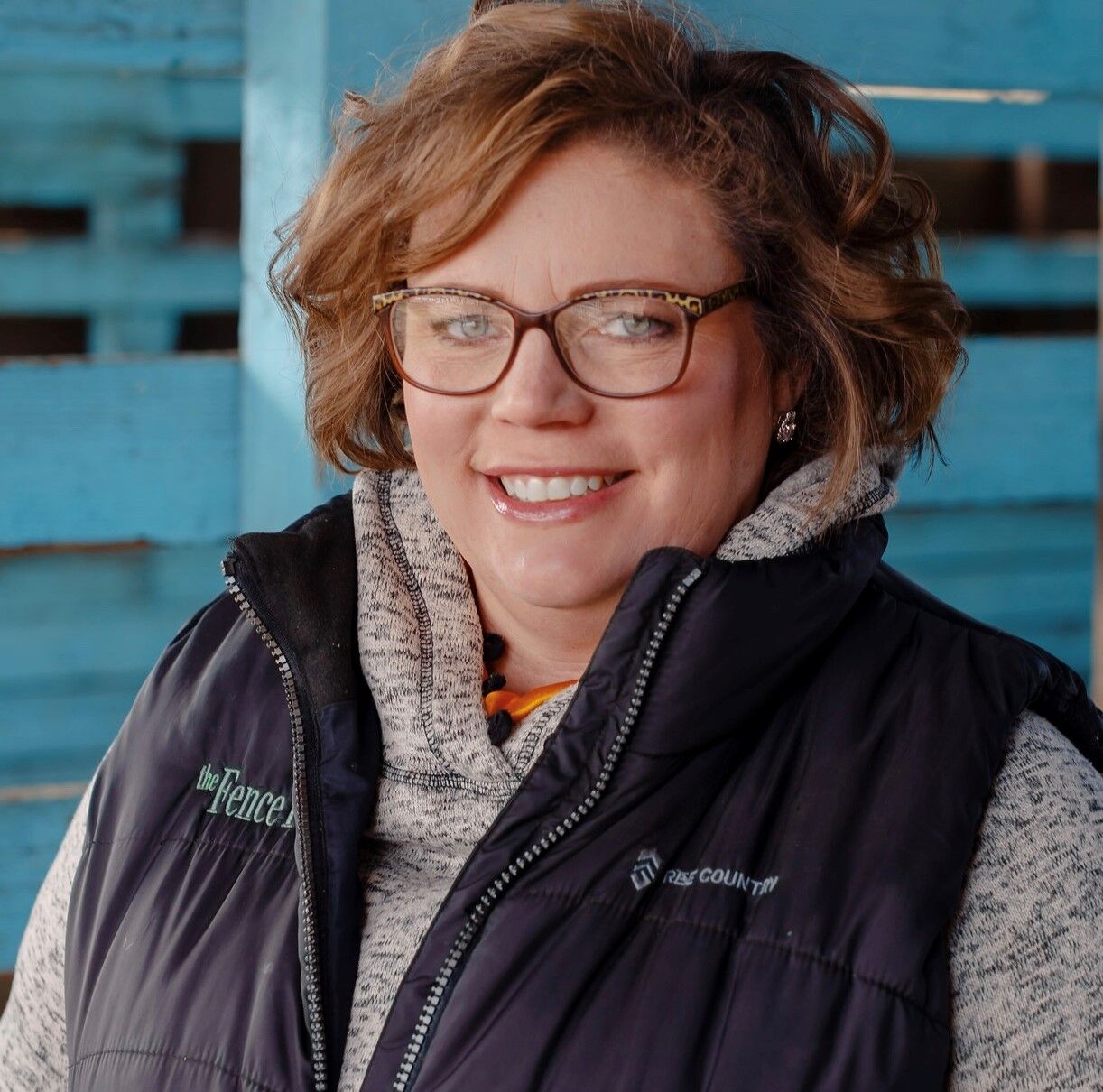
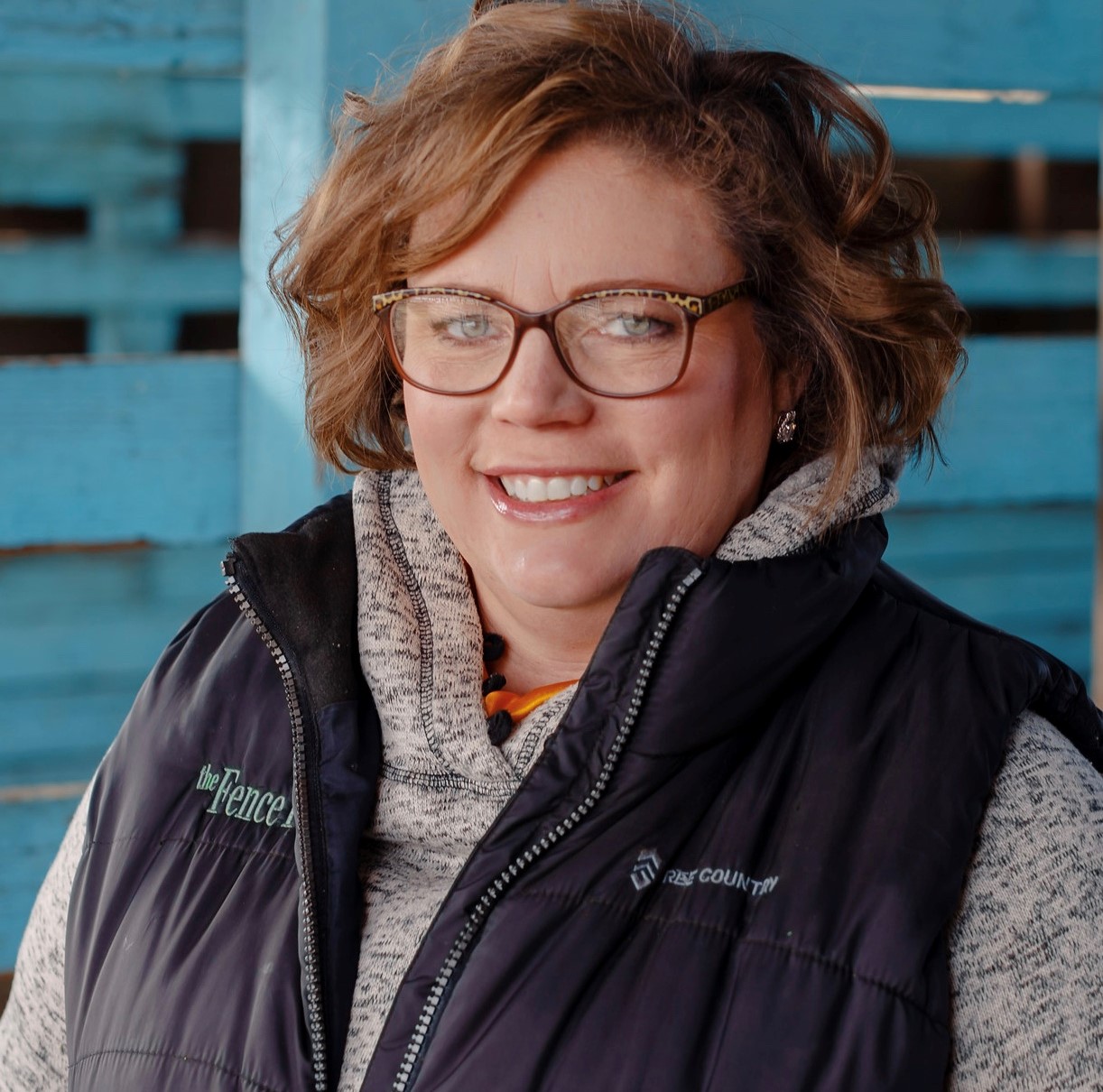
Rachel Gabel writes about agriculture and rural issues. She is assistant editor of The Fence Post Magazine, the region’s preeminent agriculture publication. Gabel is a daughter of the state’s oil and gas industry and a member of one of the state’s 12,000 cattle-raising families, and she has authored children’s books used in hundreds of classrooms to teach students about agriculture.


You get what you pay for in your state reps | Hal Bidlack
Hal Bidlack
hal-bidlack@coloradopolitics.com
Updated 6 hours ago
My regular readers will know of my affection for the Out West Roundup, a Colorado Politics feature that lets us keep up to date with the goings on out here in the western U.S., and draws attention to stories that...
A warrant should mean something — expedite carrying them out | OPINION
Colorado Politics
colorado-politics@coloradopolitics.com
Updated 6 hours ago
By Aaron Ping My name is Aaron Ping. I am a father from Washington state, and I am writing because my 16-year-old son, Avery, cannot. Avery died on Dec. 19, 2024. The drugs that killed him were ordered through Snapchat....
Lower Basin must adapt to Colorado River hydrology | OPINION
Colorado Politics
colorado-politics@coloradopolitics.com
Updated 6 hours ago
By Nick Peters A February deadline for determining future operating guidelines for the West’s two largest reservoirs came and went with no agreement on the table and clear lines drawn in the sand. A seven-state resolution to how Lake Mead and Lake Powell will...

Colorado’s GOP at its best — and worst | Dick Wadhams
Dick Wadhams
dick-wadhams@coloradopolitics.com
Updated 3 days ago
By Dick Wadhams Colorado Republicans are fighting to be relevant in the face of gross mismanagement by Democrats who totally control state government. While the Colorado Republican Party is mired in controversy, several Republican elected officials and candidates represent the...

Someone’s lying in latest activist embarrassment for Polis’ CPW Commission | Rachel Gabel
Rachel Gabel
rachel-gabel@coloradopolitics.com
Updated 3 days ago
Either Samantha Miller is lying, or Gov. Jared Polis is. If Miller is lying, she is so secure in the red carpet rolled out for animal activists by this administration she is willing to put words in the governor’s mouth....

Ask Secretary of State candidates if they’re in favor of independent election audits | Jon Caldara
Jon Caldara
jon-caldara@coloradopolitics.com
Updated 4 days ago
This part will disappoint angry people on Twitter: Relax. Put the pitchforks down. I am not relitigating the 2020 election or mail ballots or even Tina Peters. But I am saying people don’t trust elections like they used to. And...
Redistricting plan to give Colorado Dems 7 members of the U.S. House will split El Paso County | Bob Loevy
Bob Loevy
bob-loevy@coloradopolitics.com
Updated 3 days ago
A proposed redistricting plan, which would give Colorado seven Democratic members of the U.S. House of Representatives and only one Republican, will split El Paso County into two parts and thereby weaken the county’s influence in Congress. El Paso County,...

Can deliberation save democracy? | Vince Bzdek
Vince Bzdek
vince.bzdek@gazette.com
Updated 18 hours ago
In September 2019, 523 Americans traveled to Dallas for an experiment called “America in One Room.” The gathering was designed to test a theory: Could representative citizens deliberate productively even in an era of intense polarization? The event focused on...
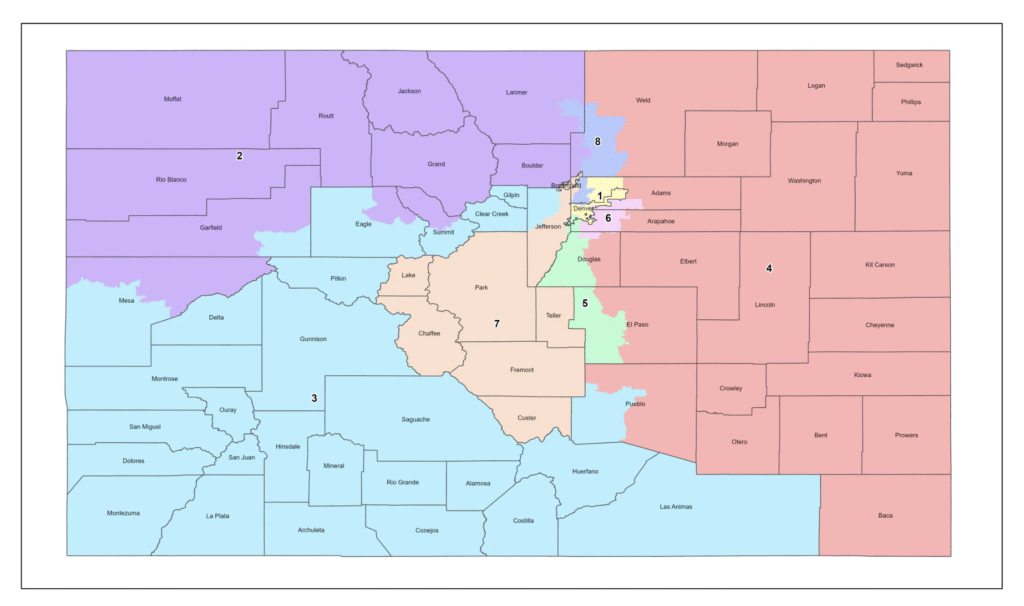
Redistricting scheme would give Colorado Democrats seven House members, split El Paso County | Bob Loevy
Bob Loevy
bob-loevy@coloradopolitics.com
Updated 2 days ago
A proposed redistricting plan, which could give Colorado seven Democratic members of the U.S. House of Representatives and only one Republican, would split El Paso County into two parts and thereby weaken the county’s influence in Congress. El Paso County,...

Is Trump a builder or just a latter-day headhunter? | SONDERMANN
By Eric Sondermann
by-eric-sondermann@coloradopolitics.com
Updated 5 days ago
It was well under 100 hours after President Donald Trump’s overly long, overly theatrical State of the Union speech that he unleashed American bombers across Iran. As I write, it is now less than 100 hours since those bombers started...
PREV
PREVIOUS
Charlatan Santos a harbinger of what's to come | HUDSON
Miller Hudson Seventy years ago, the nuns at Holy Rosary Elementary in Idaho Falls had an exceptionally dim view of lying. Though not regarded a mortal sin that would sentence one to perdition for all eternity, it was evident that, absent absolution, miscreants were destined for extended penance in Purgatory. Of course, even Catholic kids […]

Michael Bennet’s dark money hypocrisy | WADHAMS
Dick Wadhams Just off his 2022 reelection that was propelled primarily by deep anti-Trump sentiment in Colorado, U.S. Sen. Michael Bennet is wasting no time in building lists to raise money for his 2028 reelection campaign. Bennet is aggressively seeking potential contributors for a campaign five years from now. Donors are being peppered by breathless […]