

OUT WEST ROUNDUP | Lake Powell to retain water to protect hydropower
UTAH
US to hold back Lake Powell water to protect hydropower
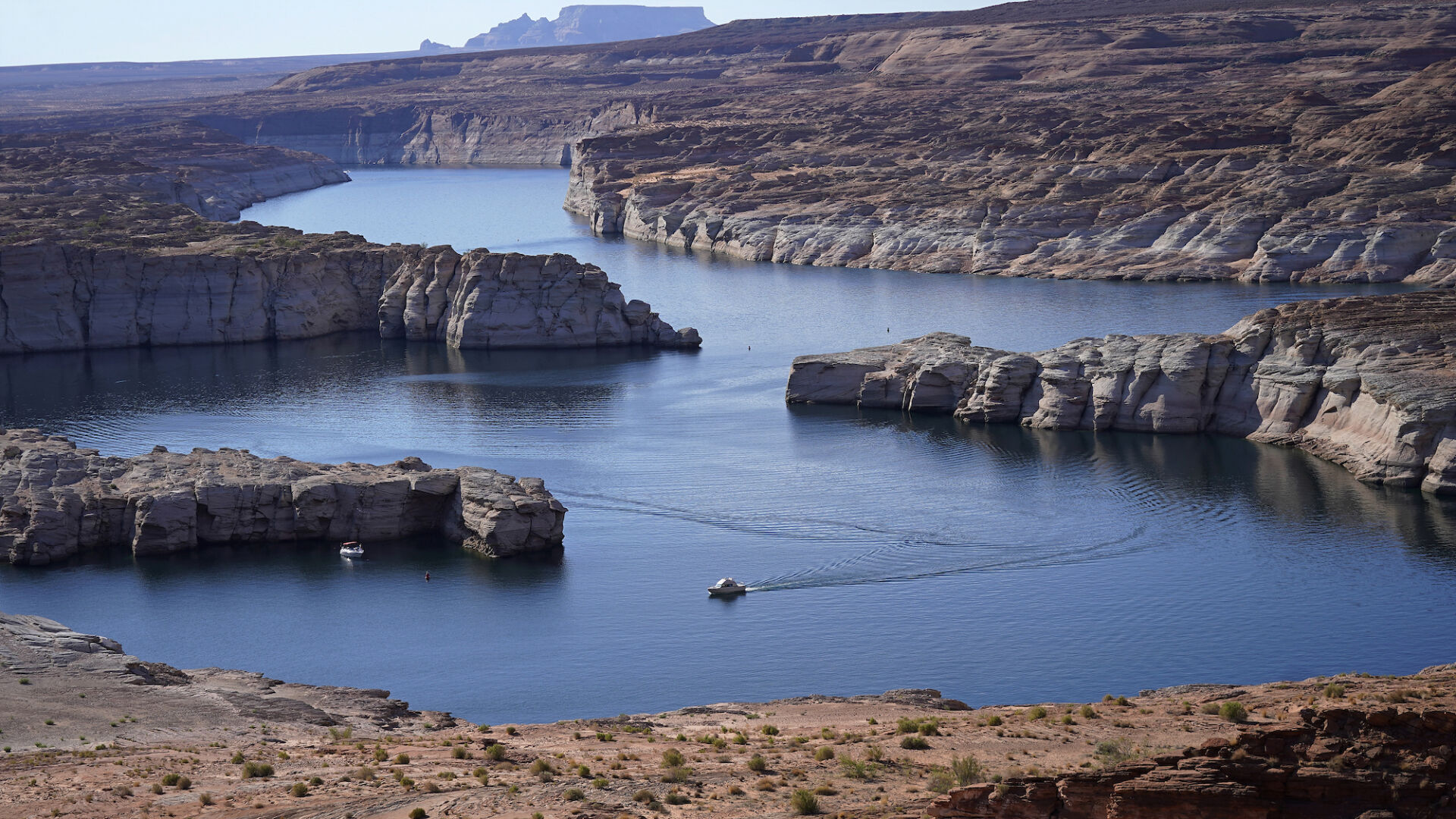
SALT LAKE CITY – U.S. officials announced what they called extraordinary steps on May 3 to keep hundreds of billions of gallons of water stored in a reservoir on the Utah-Arizona line to prevent it from shrinking more amid prolonged drought and climate change.
The U.S. Bureau of Reclamation plans to hold back about 480,000 acre-feet of water in Lake Powell to maintain Glen Canyon Dam’s ability to produce hydropower for millions of homes and businesses in the region. That’s roughly enough water to serve 1 million to 1.5 million average households annually.
Tanya Trujillo, the bureau’s assistant secretary of water and science, said keeping the water stored in the reservoir would stave off hydropower concerns for at least 12 months, giving officials time to strategize for how to operate the dam at a lower water elevation. The lake currently holds less than one-fourth of its full capacity and the dam produces electricity for about 5 million customers in seven U.S. states.
The decision will not have any immediate impacts on the amount of water allocated for the region’s cities. And it won’t affect farms that rely on the Colorado River, which already face mandatory cuts in central Arizona.
But it illustrates the compounding challenges facing Mexico and the seven U.S. states that rely on the Colorado River, which supplies water to about 40 million people and a $5 billion-a-year agricultural sector.
The action is one of several that have been taken to shore up Lake Powell. The Bureau of Reclamation has also ordered releases from other reservoirs upstream from Lake Powell, including 500,000 acre-feet of water from the Flaming Gorge Reservoir on the Utah-Wyoming border announced last month. Releases from Flaming Gorge as well as Blue Mesa reservoir in Colorado and the Navajo reservoir in New Mexico were ordered last year.
Shoring up Lake Powell may allow water to continue flowing through the turbines at Glen Canyon Dam and keep its hydropower-generating capacity intact, but that’s only one of several interests that officials are juggling in managing reservoir levels.
NEW MEXICO
State regulators adopt clean car rule
ALBUQUERQUE – New Mexico regulators have adopted more stringent motor vehicle emissions standards as part of Gov. Michelle Lujan Grisham’s push against climate change.
The rule was adopted on May 5 by the state Environmental Improvement Board following a joint public hearing with air quality officials who oversee the Albuquerque metro area, which is New Mexico’s most populated region.
Following in the footsteps of California, the new rule will take effect July 1. It will require reduced emissions in cars, trucks and SUVs starting with the 2026 model year.
The state is calling for more electric and plug-in hybrid vehicles to be sold in New Mexico. Meanwhile, utility officials are still working on plans to ensure they have enough capacity to meet future electricity demands as more solar and battery storage facilities are brought online to replace coal-fired power plants.
Despite criticism by some interest groups, state officials are touting the new clean car mandate as a way to eliminate an estimated 130,000 tons of greenhouse gases and over 1,700 tons of ozone-forming pollution in the state by 2050.
Transportation is the nation’s largest source of greenhouse gases and among the top sources in New Mexico.
Some auto dealers have said they shouldn’t be mandated to carry a certain volume of electric cars, and other critics have raised concerns about whether electric vehicles could pose financial hardship for rural residents.
Legislator to pay $250 fine in ethics settlement
SANTA FE – A New Mexico state representative has agreed to pay a $250 fine under a settlement with the State Ethics Commission stemming from her drunken driving arrest in February.
The commission said Albuquerque Democrat Georgene Louis violated the state Governmental Conduct Act by seeking favorable treatment from Santa Fe police during her Feb. 13 arrest Fe by mentioning that she is a legislator.
Under the settlement, the commission agreed not to seek a civil enforcement action against Louis, accusing her of violating the act.
Louis, who has apologized for her “lapse in judgment” and announced she won’t run for reelection this year, has pleaded not guilty to a charge of aggravated DWI,.
Police videos from her traffic stop show her telling an officer that she had been at a Super Bowl party at a friend’s house.
“I haven’t had much sleep,” Louis said in the video. “I’m a legislator, we haven’t had much sleep.”
WYOMING
Crypto power issue gets informal panel
CHEYENNE – State lawmakers are moving ahead with consideration of a renewed attempt to help ensure there is sufficient electricity and at low rates for virtual currency miners that some want to attract to Wyoming.
Following an April 25 hearing in Casper of a committee of legislators at which testimony was heard about deregulated power zones, the process has begun to start stakeholder discussions through an informal sub-panel of legislators.
Members of the working group, which could be upgraded to a subcommittee, come from both legislative chambers and both political parties, noted Rep. Mike Greear, R-Worland, who chairs the House Minerals, Business and Economic Development Committee.
The goal of the new informal group is to try to break a stalemate between those who want to allow the establishment of such deregulated zones, and electricity providers and their allies who fear that carving out such a market for any company to serve could undermine stability in the state’s power market, possibly raising prices for retail customers. A subcommittee plans to meet in June to “hash out some of the issues,” Greear said.
The meeting will have a way for the public to participate remotely, according to PSC General Counsel John Burbridge, who is helping to arrange things.
“My understanding is it’s a public meeting,” Greear said of his expectations for when the PSC does convene the gathering. It’s “designed to have a conversation around the issues.”
In order to get the participating legislators’ expenses compensated and pay them for the day at the PSC, Greear said that the virtual currency energy group members could wind up being considered a subcommittee of sorts, perhaps under the aegis of the legislature’s minerals committee.
NEVADA
Cops: Body in barrel in Lake Mead was gunshot victim
LAS VEGAS – The body found inside a barrel on the newly exposed bottom of Lake Mead after the lake’s level was depleted amid drought is that of a man who was shot, police said on May 3.
The killing probably happened between the mid-1970s and the early 1980s because the victim was wearing shoes that were manufactured during that period, said homicide Lt. Ray Spencer, the Las Vegas Review-Journal reported.
The barrel was found on May 1 in the Lake Mead National Recreational Area by boaters who informed authorities.
Drought has dropped the water level of Lake Mead on the Colorado River in southern Nevada and northern Arizona so much that Las Vegas’ uppermost water intake became visible in late April.
Lake Mead and Lake Powell upstream are the largest human-made reservoirs in the U.S., part of a system that provides water to more than 40 million people, tribes, agriculture and industry in Arizona, California, Colorado, Nevada, New Mexico, Utah, Wyoming and across the southern border in Mexico.
The Clark County coroner’s office will try to determine the man’s identity.

Primary rival sues to prevent Democrat Eileen Laubacher from going through assembly in Colorado’s 4th CD
Ernest Luning
ernest.luning@coloradopolitics.com
Updated 4 hours ago
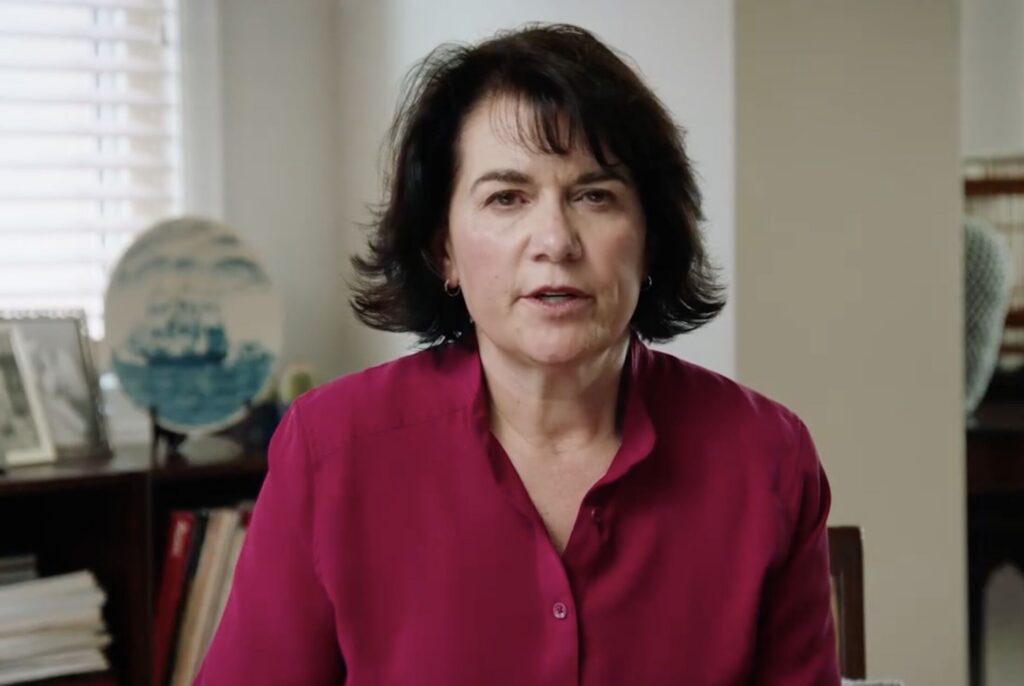
Democratic congressional candidate Trish Calvarese on Monday asked a judge to prevent one of her primary rivals, Eileen Laubacher, from participating in the caucus and assembly process to seek the nomination to challenge Republican U.S. Rep. Lauren Boebert in Colorado’s...
Colorado lawmakers tackle legislation on sexual assault
Jenny Deam
jenny-deam@coloradopolitics.com
Updated 4 hours ago
A panel of Colorado lawmakers on Monday unanimously approved a bill that supporters say will offer protections and support to victims of domestic violence, stalking, sex trafficking and sexual assault, including mandatory training for law enforcement on trauma. The measure,...
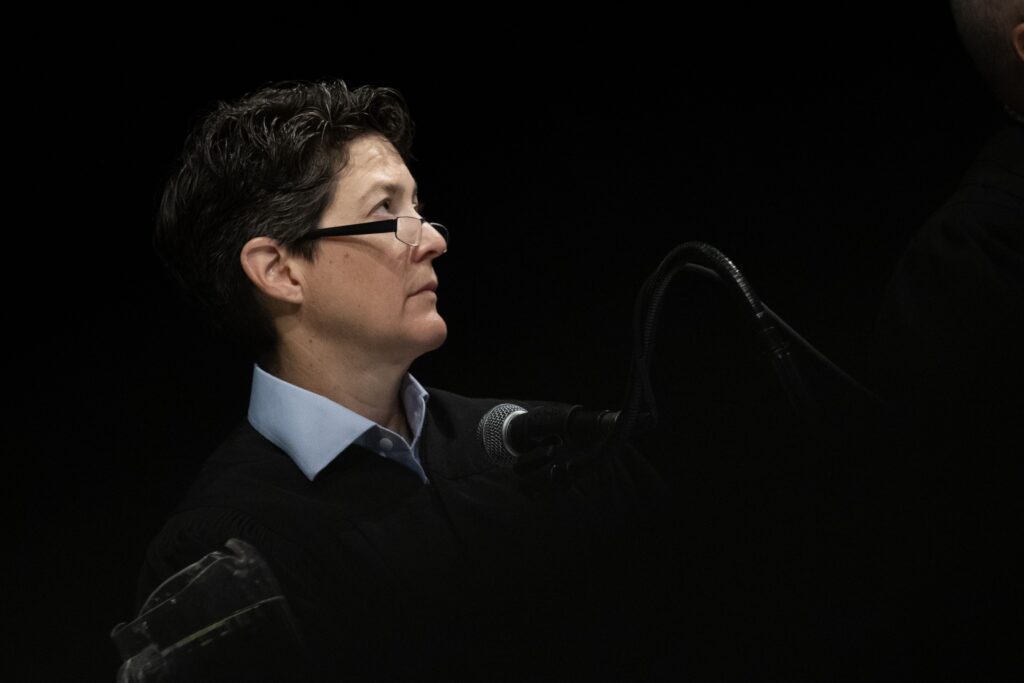
Colorado Supreme Court clarifies restraining order violations can always support burglary charge
Michael Karlik
michael.karlik@coloradopolitics.com
Updated 8 hours ago
The Colorado Supreme Court’s majority ruled on Monday that a violation of a restraining order can also serve as a basis for finding a defendant guilty of burglary. Under state law, a person commits second-degree burglary by unlawfully entering or...

Big week ahead for major legislation to address housing affordability woes
Zach Halaschak, Washington Examiner
zach.halaschak.washington.examiner@gazetteedit.wpenginepowered.com
Updated 10 hours ago
The Senate is pushing ahead with a bipartisan bill to improve housing affordability, teeing up a critical week for housing on Capitol Hill and raising major questions about what provisions will be included. Senate Majority Leader John Thune (R-SD) filed cloture on legislation from the...

Macron goes nuclear with increases to French warhead arsenal
Timothy Nerozzi, Washington Examiner
timothy.nerozzi.washington.examiner@gazetteedit.wpenginepowered.com
Updated 10 hours ago
French President Emmanuel Macron is channeling the atomic spirit of his predecessor Charles de Gaulle with orders for the French military to “increase the number of nuclear warheads” in the nation’s arsenal. Macron announced the seismic shift in France’s defensive...

Who has been killed so far during US-Israel mission in Iran?
David Zimmermann and Keely Bastow, Washington Examiner
david.zimmermann.and.keely.bastow.washington.examiner@gazetteedit.wpenginepowered.com
Updated 10 hours ago
There have been numerous casualties on all sides since the joint U.S.-Israel strikes against Iran commenced over the weekend, with more lives expected to be lost as the campaign continues. The Islamic regime’s leadership is currently bearing the brunt of...
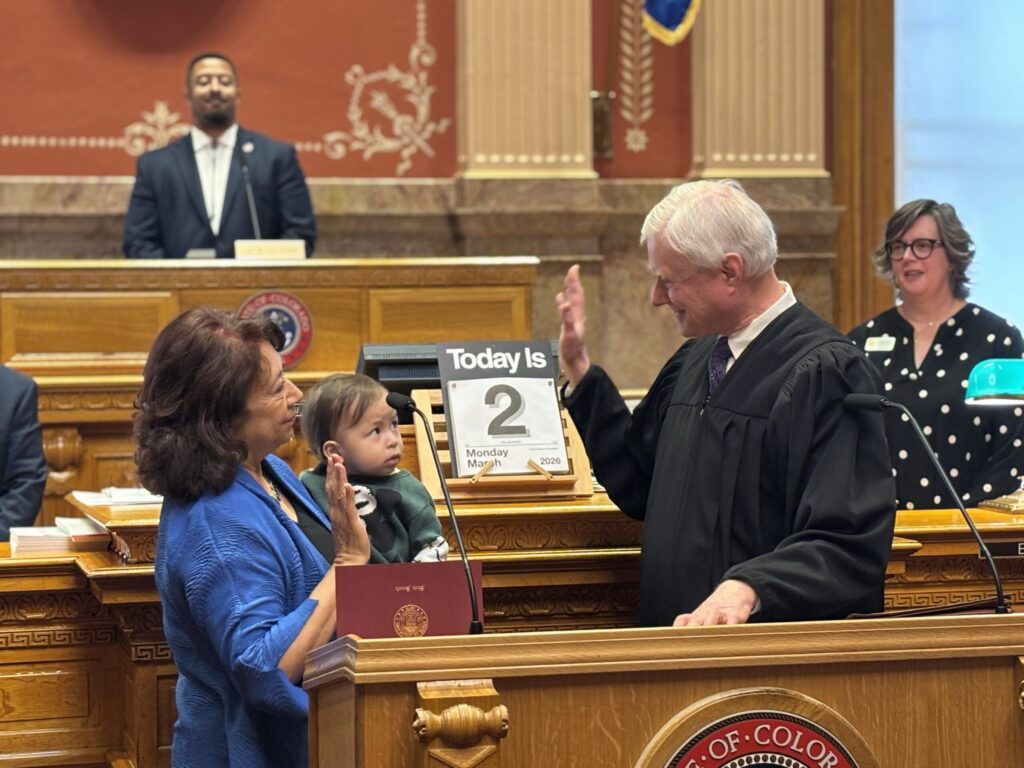
Colorado Senate swears in Adrienne Benavidez after district vacancy win
Marianne Goodland
marianne.goodland@coloradopolitics.com
Updated 10 hours ago
Sen. Adrienne Benavidez, a Democrat from Adams County, was sworn in Monday to the Colorado Senate, just four days after winning a vacancy election in District 21. She was sworn in by Colorado Court of Appeals Justice Lino S. Lipinsky...

10th Circuit judge creates vacancy, district court gets new chief judge | COURT CRAWL
Michael Karlik
michael.karlik@coloradopolitics.com
Updated 12 hours ago
Welcome to Court Crawl, Colorado Politics’ roundup of news from the third branch of government. A longtime member of the Denver-based federal appeals court will give the president a vacancy to fill, plus Colorado’s federal trial court will see a...

Denver mayor says his commute time tripled following ‘road diet’ change
Mark Samuelson Special to The Denver Gazette
mark.samuelson@denvergazette.com
Updated 9 hours ago
Mayor Mike Johnston is pushing back sharply against the claim by Denver councilmembers and bike activists that the city succumbed to lobbying pressure in revising a “road diet” plan for East Alameda Avenue, while noting that his own commute time...

Rural legislators, Colorado farmers defeat pollinator bill backed by Gov. Polis
Marianne Goodland
marianne.goodland@coloradopolitics.com
Updated 10 hours ago
A proposal to limit the use of neonicotinoid-coated crop seeds collapsed in the Senate Agriculture and Natural Resources Committee last week, as rural lawmakers, including two Democrats, joined Republicans to reject what they called an expensive, impractical mandate on farmers....
PREV
PREVIOUS

SONDERMANN | Jared Polis – altruist or cynic?
Eric Sondermann What do you call it when a high public official accuses those who criticize his ultimately cynical move of cynicism? For this Jewish columnist and speaking of Colorado’s Jewish governor, I would go with the Yiddish word: chutzpah. Last month on Colorado Public Radio, responding to those who contend that there might just […]

Breaking down Denver’s proposed Expanding Housing Affordability Guidelines
Denver City Council will have a public hearing on its new Expanding Housing Affordability Guidelines on Monday, June 6, giving Denverites the opportunity to share their thoughts on the city’s code changes before council votes on them one last time. Here’s a breakdown and need-to-know information on the guidelines ahead of the hearing. How is […]