

Colorado deactivates crisis measures for hospital staffing, emergency services
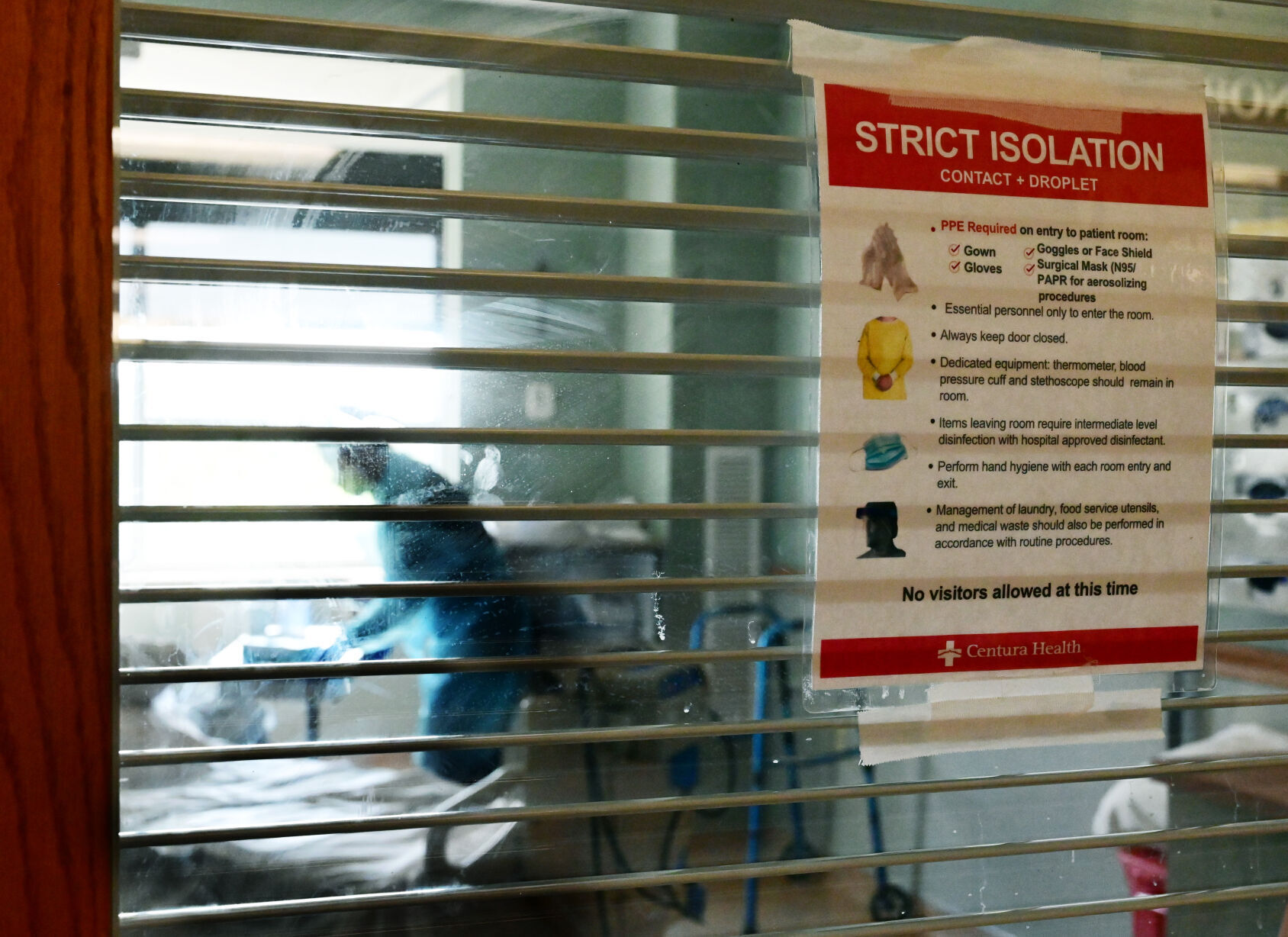
Colorado has deactivated its crisis standards for both hospital staffing and emergency services Thursday in a further sign that the state is extricating itself from months of COVID-19 surges.
Both measures loosened guidance for ambulances and hospitals at a time when COVID-19 was surging and disrupting critical parts of Colorado’s health infrastructure. The hospital staffing crisis standards were activated in November, when the delta surge was straining hospitals and staffing shortages were at their worst point of the pandemic. The state activated the ambulance services standards in January, when the omicron wave was infecting so many people that emergency providers were short-staffed.
Their deactivation comes as the state continues to exhale after months of surging COVID-19 cases fueled first by the delta variant and then omicron. After delta sent hospitals to the brink of being overwhelmed, omicron pushed case and positivity rates to their highest points of the pandemic.
But both have since subsided. Hospitalizations are down to their lowest levels since August, as are the number of cases being reported daily. State officials and experts have said that omicron infected so many people that roughly 80% of the population will be immune this month.
Under the crisis standards, hospitals were able to move providers into positions outside of their normal roles, and it increased the number of patients staff members could see. The emergency service activation allowed ambulances to decide which patients needed to be transported to the hospital and which could self-report or could seek services elsewhere.
“The decision to deactivate these standards is based on recent modeling and steadily declining cases and hospitalizations, suggesting the immediate strain COVID-19 places on Colorado should continue to decrease in the coming weeks,” Eric France, Colorado’s chief medical officer who has the authority to institute or deactivate the crisis standards, said in a statement. “We recognize that health care systems continue to face challenges due to chronic staffing issues across the economy, and we thank health care workers for their service protecting Coloradans throughout the COVID-19 pandemic.”
Notably, the state never activated its worst-case scenario crisis standards, which would have given hospitals guidance on which patients to treat and which to refer elsewhere or to discharge. Some providers asked the state to do so, and some systems – like UCHealth – enacted their own version of the standards, but Gov. Jared Polis and France never did so.
While the change in crisis standards for hospital staffing marks a change in the pandemic situation, hospitals continue to face critical shortages of workers. That’s going to be a long-term problem that the state and hospital leaders will have to address: Pandemic-driven burnout and exhaustion helped push as many as 20% of the United States’ health workforce out of the industry since March 2020.


Appeals court recognizes longer window to sue insurers for withholding policy details
Michael Karlik
michael.karlik@coloradopolitics.com
Updated 1 hour ago
Colorado’s second-highest court split with its own prior decision earlier this month and concluded injured motorists have two years, not one, to sue insurance companies for withholding relevant information about an at-fault driver’s policy. In 2019, Colorado lawmakers enacted a measure to...

Trump open to $5 billion ICE funding cut if SAVE Act package passes
Zach LaChance, Washington Examiner
zach.lachance.washington.examiner@gazetteedit.wpenginepowered.com
Updated 2 hours ago
President Donald Trump signaled he is open to a $5 billion funding cut for U.S. Immigration and Customs Enforcement if the Senate passes the Save America Act, along with other amendments. “I don’t think we should make any deal with...

Appeals court decides free speech cases, error-prone judge reversed again | COURT CRAWL
Michael Karlik
michael.karlik@coloradopolitics.com
Updated 3 hours ago
Welcome to Court Crawl, Colorado Politics’ roundup of news from the third branch of government. The state’s Court of Appeals decided multiple cases implicating free speech rights, plus Colorado’s most error-prone judge was reversed on appeal yet again. Heard on...
It’s time to let unaffiliated voters caucus | Vince Bzdek
Vince Bzdek
vince.bzdek@gazette.com
Updated 4 hours ago
There’s no getting around it: Colorado’s 3,000 county caucuses, which just wrapped up recently, left half the electorate out in the cold. Since unaffiliated voters now make up 51% of all Colorado voters, a majority of Colorado electors are barred...

With new medical school set to open, Feinstein will step down as UNC president
Hap Fry, Special to The Gazette
hap-fry@gazette.com
Updated 1 day ago
GREELEY • Dr. Andrew “Andy” Feinstein, the charismatic president of the University of Northern Colorado, has announced that he will step down from his leadership role just on the cusp of what is perhaps his signature accomplishment being realized. He’ll...
Governor warns energy development both a boon and a risk to Colorado | A LOOK BACK
Rachael Wright, Special to Colorado Politics
rachael.wright@coloradopolitics.com
Updated 5 days ago
Forty-Five Years Ago This Week: “The real opportunity and the dangers before us are both real,” said Gov. Dick Lamm in his January state of the state address before the Colorado General Assembly. Lamm argued that energy development would continue...
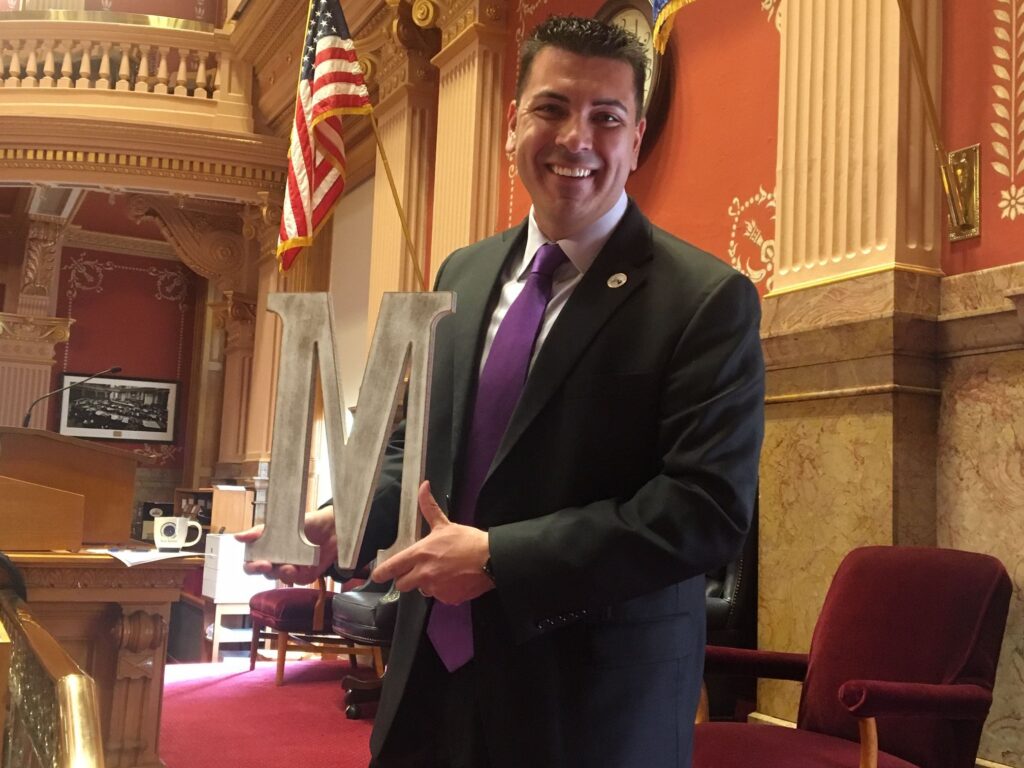
A Mile High, again: Capitol M | Week of March 21, 2026
Marianne Goodland
marianne.goodland@coloradopolitics.com
Updated 5 days ago
The lighter side of the Capitol, usually…. Local Journalism Day, except they forgot their very own local journalists. The state Senate on Thursday, March 19, passed a resolution recognizing Local Journalism Day. Everyone voted for it, which is good, because...
Colorado Politics Calendar Mar. 23-29
Rachael Wright, Special to Colorado Politics
rachael.wright@coloradopolitics.com
Updated 4 days ago
CoPo’s weekly political calendar will help you find political and public-policy events throughout Colorado. It includes candidate and issue campaign events, public policy meetings, court hearings, state and local party conventions, assemblies, debates, rallies, parades, speaking engagements, traveling dignitary appearances,...

The insular bubble of caucuses and assemblies | SONDERMANN
Eric Sondermann
eric-sondermann@coloradopolitics.com
Updated 4 days ago
Nearly 30 years ago, then-Federal Reserve Chairman Alan Greenspan coined the term “irrational exuberance” to describe the overheated stock market. That descriptive phrase could also apply to much of the political realm. The hype in politics often grossly exceeds the...

Lauren Boebert’s hard ‘no’ on Pentagon Iran funding request puts Mike Johnson in tough spot
Emily Hallas, Washington Examiner
emily.hallas.washington.examiner@gazetteedit.wpenginepowered.com
Updated 3 days ago
Colorado U.S. Rep. Lauren Boebert announced on Thursday that she will not support further funding for the United States’s war in Iran, marking an uphill battle for the Trump administration’s effort to secure additional financing from Congress. “I’ve already told...
PREV
PREVIOUS

Divided Douglas County school board, community debate rapid search for new superintendent
The job opening for of the new Douglas County School District superintendent will be officially posted Thursday, after hours of largely critical public comment Wednesday night and subsequent debate by a divided school board on how – and when – to replace the top administrator for Colorado’s third-largest school district. Wednesday’s meeting was the first formal gathering […]

10th Circuit blocks Biden minimum wage rule for outdoor recreation companies
The federal appeals court based in Denver has temporarily blocked the Biden administration’s directive requiring a minimum hourly wage of $15 for outdoor recreation companies operating on public lands. The rule from the U.S. Department of Labor took effect on Jan. 30 and requires organizations with federal contracts or “contract-like” agreements to pay their workers […]