

SONDERMANN | An Olympics of decidedly mixed feelings


Cue the Olympic anthem. The 2022 Winter Olympics in Beijing are soon upon us. You will excuse me if my enthusiasm is tempered and my feelings decidedly mixed.
The Winter Games have long been my favorite. Ice hockey tops my list of spectator sports. Figure skating invariably yields elegance accompanied by wonderful story lines. The downhill ski race takes it to the edge and revives memories of Franz Klammer’s death-defying descent in Innsbruck 1976.
Short-track speed skating is a modern demolition derby. Bobsledding brings back the Jamaicans. The luge and skeleton represent human insanity. Nordic skiing competitors take fitness and endurance to new extremes. The biathlon, once you understand it, is a compelling combination of two disciplines.
And curling reminds me that the kitchen floor needs sweeping.
All of that makes for great viewing and the Winter Olympics have long occupied a special place on my quadrennial calendar. But this year, that anticipation is accompanied by a large measure of cognitive dissonance.
These Olympics will be different for a number of reasons. First off, they will be largely devoid of cheering fans. Travel to China by non-participants is largely impossible. Further, China has recently decreed that its own citizens are not able to attend Olympic events.
One is tempted to ask, if a slalom skiing gold medal is won on a mountainside without spectators, did it really happen? But, of course, the television cameras will be there even if the legions of fans are missing. Will the broadcasts add simulated crowd noise?
Of course, the biggest reason for these bans relates to the COVID pandemic, a subject about which China knows a little something.
In that vein, athletes will be discouraged from hugging fellow competitors. But condoms will be available around the Olympic village. So much, I guess, for foreplay.
Before even getting to global politics and domestic repression, the choice of Beijing to host these Games was a curious one. Having visited the Chinese capital city three years ago, it is hardly a mountain locale or winter wonderland. Virtually all of the snow at the various skiing venues will be man-made. Then again, in a country with abundant population and a virtually inexhaustible supply of labor, having men make such things is hardly a deal-breaker.
Beijing hosted the Summer Games just 14 years ago. That seemed a far better fit. Perhaps a piece of Chinese propaganda is the idea that its premier city can be ambidextrous and serve as a venue for all seasons.
Beyond the competition, and in many cases surpassing it, the narrative of these Olympics has to be one of human rights and a brutally authoritarian regime’s non-stop efforts to render them moot. Those efforts start with China’s flexing of every coercive muscle to make sure the topic is absent from all reporting of these Games.
All Olympic participants and attendees are required to download a cellphone app that tracks their every movement. The reason given is one of coronavirus contact tracing. But, clearly, the app allows for all other manner of surveillance and snooping, too. It comes with a file of the 2,442 keywords that the Chinese state regards as sufficiently sensitive to warrant censorship and potentially other, more draconian consequences.
This is but one reason why American athletes as well as journalists are being urged to leave their cellphones at home and carry burner phones instead.
The list of topics considered off-limits continues to grow. It includes virtually any reference to Uyghur Muslims, Tibetan Buddhists, Hong Kong, Taiwan, Falun Gong, Tiananmen Square. You get the idea.
Dictatorial oppression and expansionism drive what discussion is verboten and what China will go to any lengths to keep hidden.
Here we are with the world’s best athletes preparing for an Olympics in a rigidly-controlled, tightly-wound, ruthlessly ambitious and aggressively nationalistic host country. So what is the appropriate response both of nations, including our own, and of those beaming the coverage into our homes?
As easy as it would be to take an absolute, moralistic approach and advocate for a full boycott, that ship has sailed and I am unconvinced that it would be either fair or effective.
Jimmy Carter’s boycott of the 1980 Moscow Summer Olympics did nothing to deter Russian adventurism in Afghanistan or alter the international equation. While many had urged FDR to keep the American team from going to Berlin in 1936, he refrained from doing so and Jesse Owens put a lie to the myth of Aryan supremacy in Hitler’s backyard.
Lacking any great options, President Biden picked the least bad choice in sending the athletes while keeping all diplomats and officialdom away. It provides the necessary signal without turning young men and women (in some cases, mere boys and girls) who trained relentlessly for this day into political pawns.
Each of us will make our own decision on whether to watch the Games or tune them out. But here is hoping that at least a few athletes as well as a sportscaster here and there take a risk and make a statement. NBC Universal, owned by Comcast, has a particular onus on its shoulders with possession of U.S. broadcast rights.
The Chinese controls are uncompromising and iron-fisted. But what a sight it would be to see some brave athlete, American or otherwise, unfurl a small sign on the victory stand paying tribute to Uyghurs in mass detention camps or imprisoned Hong Kong students.
Or how about a couple of NBC features that cross the line of China’s authorities? Yes, the censors can cut the feed. But would they dare and what kind of message would that send?
The National Basketball Association is an example of unprincipled, subservient compliance when it comes to Chinese demands. Too many American corporations, including a number of Olympic sponsors and advertisers, are similarly complicit.
Over the course of these two weeks, let us hope to see a rare profile in courage and an occasional, lonely expression of truth on the part of even just one or two elite athletes or broadcast executives who refuse to bend a knee and look the other way.
Eric Sondermann is a Colorado-based independent political commentator. He writes regularly for ColoradoPolitics and the Gazette newspapers. Reach him at EWS@EricSondermann.com; follow him at @EricSondermann


Federal judge hears arguments about Colorado’s 3-day gun purchase waiting period
Michael Karlik
michael.karlik@coloradopolitics.com
Updated 1 hour ago
A federal judge heard arguments on Monday about the constitutionality of a 2023 Colorado law that generally imposes a three-day waiting period on firearm purchases after the initiation of a background check. The test that the U.S. Supreme Court created...
U.S. Supreme Court clears way for Trump mail voting order in advance of midterms
Wire Services
wire-services@coloradopolitics.com
Updated 5 hours ago
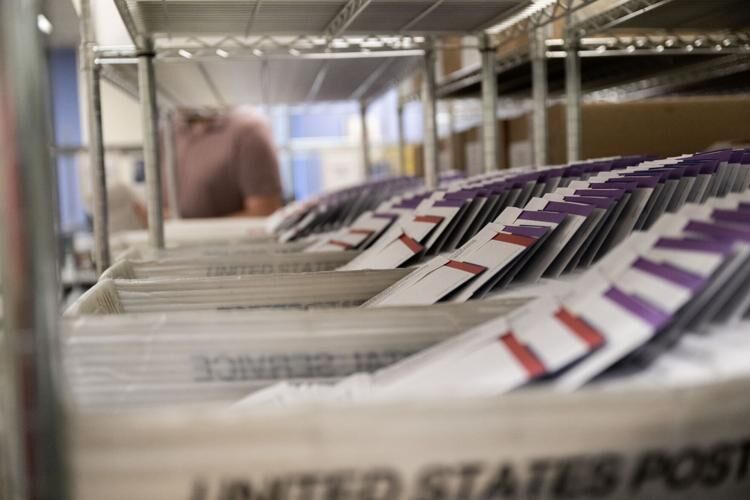
WASHINGTON • The U.S. Supreme Court on Monday cleared the way for President Donald Trump to move ahead with an executive order that seeks to restrict the mailing of ballots to American citizens in an eligible voters list. The executive...
Colorado Supreme Court intervenes in Weld County prosecution dismissed due to Missy Woods misconduct
Michael Karlik
michael.karlik@coloradopolitics.com
Updated 5 hours ago
The Colorado Supreme Court ordered a Weld County trial judge last week to respond to the district attorney’s claim that he improperly dismissed a criminal case because of “outrageous” conduct by the Colorado Bureau of Investigation. Daniel Lee Eatinger stood...
Trump opens ‘economic D-Day’ offensive against Iran as war nears six-month mark
Christian Datoc
christian-datoc@coloradopolitics.com
Updated 10 hours ago
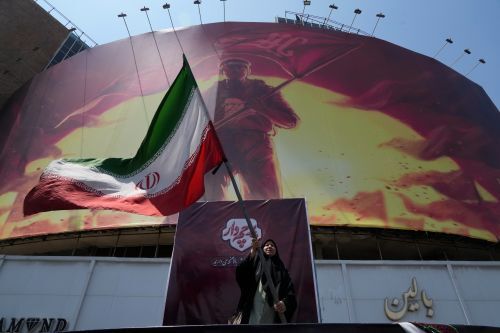
President Donald Trump is seeking to increase the financial pressure on Iran with new secondary sanctions on nations and foreign actors propping up the regime’s economy as the war between the United States and Tehran nears the six-month mark. Treasury...
Trump announces 50% tariffs on Canadian cars, auto parts, and steel
Naomi Lim
naomi-lim@coloradopolitics.com
Updated 10 hours ago
President Donald Trump escalated the trade war with Canada after talks collapsed last week, announcing Monday that the United States would impose 50% tariffs on cars, trucks, automotive components, and steel starting Jan. 1, 2027. “Canada has been ripping off...
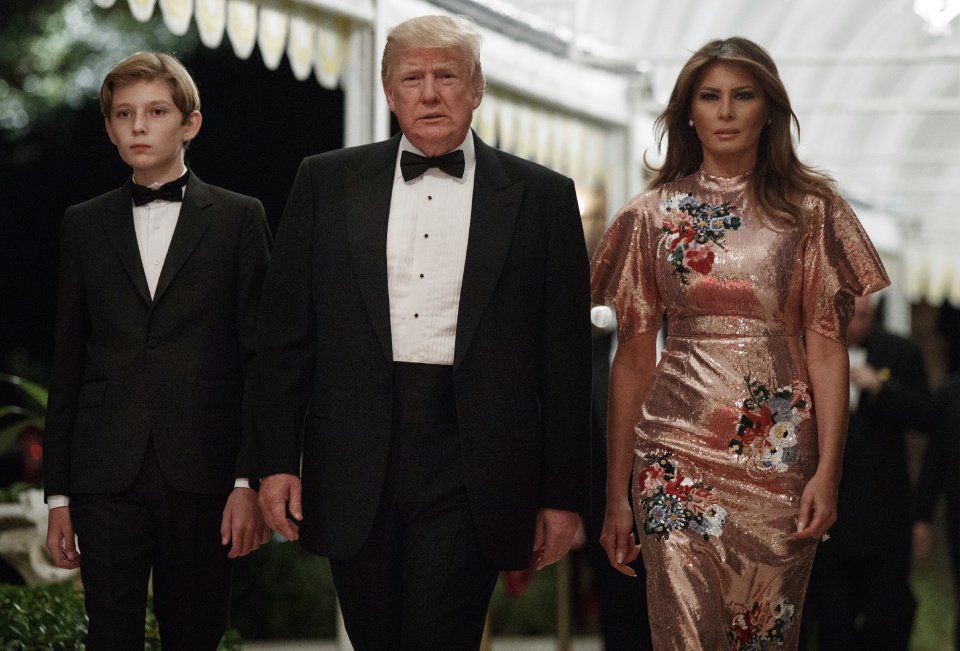
Iran puts out propaganda video tracking Barron Trump’s location, offering $10 million for his assassination
Timothy Nerozzi
timothy-nerozzi@coloradopolitics.com
Updated 11 hours ago
The Islamic Revolutionary Guard Corps is putting a hit out on President Donald Trump’s son, Barron Trump, with an inflammatory video claiming to track his location. State-run television in Iran is broadcasting a propaganda video claiming to show the locations...
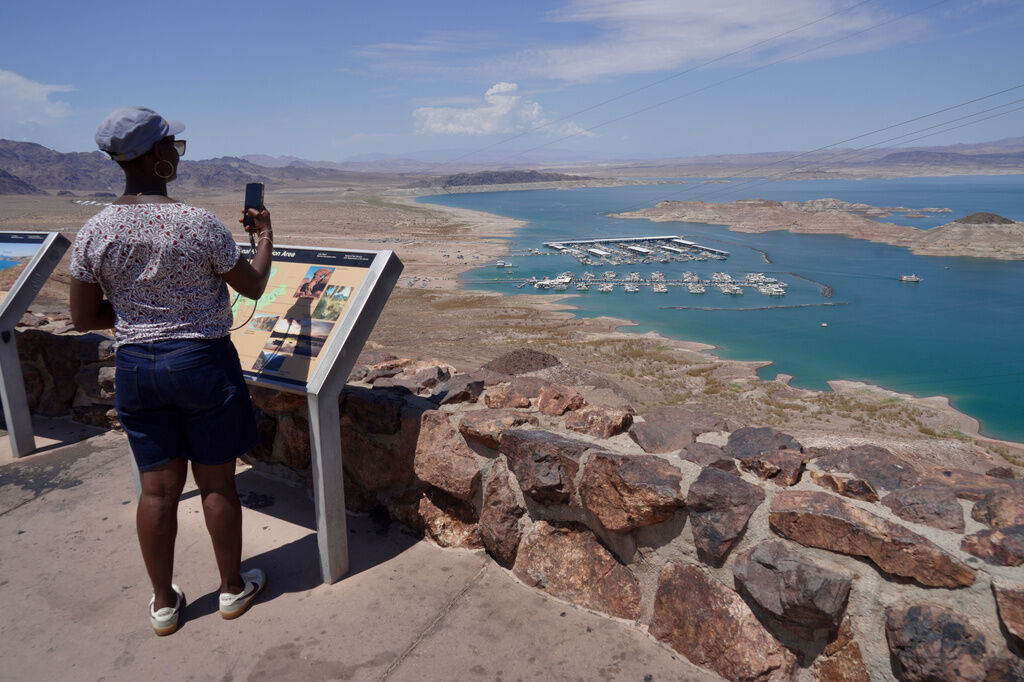
Nevada sues Trump administration over Colorado River cuts
Marianne Goodland
marianne.goodland@coloradopolitics.com
Updated 3 hours ago
On Monday, the state of Nevada filed a lawsuit against the Trump administration and Interior Secretary Doug Burgum, seeking to block the Colorado River management plan. On Friday, Burgum released a “record of decision” that would reduce water allocations to...

Healthcare Freefall: Longer drives, fewer options for maternity care in Colorado
Thelma Grimes
thelma.grimes@coloradopolitics.com
Updated 13 hours ago
Editor’s Note: Colorado’s healthcare system is entering a period of accelerating instability — a “tsunami,” as multiple leaders describe it — driven by collapsing hospital finances, shrinking Medicaid reimbursements, disappearing services and a political fight over who is responsible for...
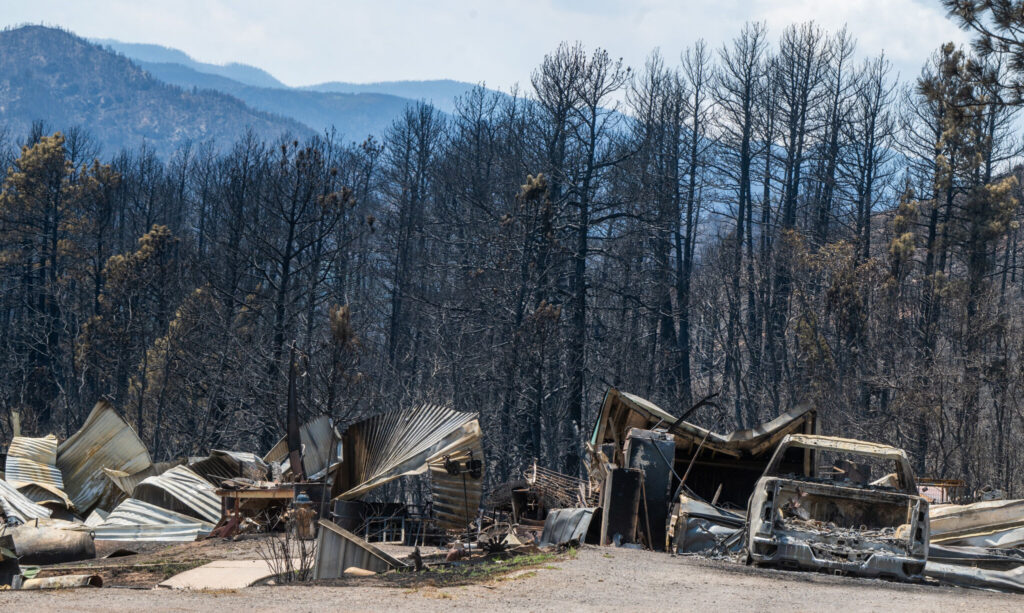
Polis requests federal disaster declaration for Colorado wildfires and floods
9News
9news@coloradopolitics.com
Updated 7 hours ago
On Sunday, Gov. Jared Polis officially requested a Major Disaster Declaration from President Donald Trump and the Federal Emergency Management Agency to support recovery from two wildfires and the subsequent flooding and debris flows on both burn scars. Polis requested a declaration...
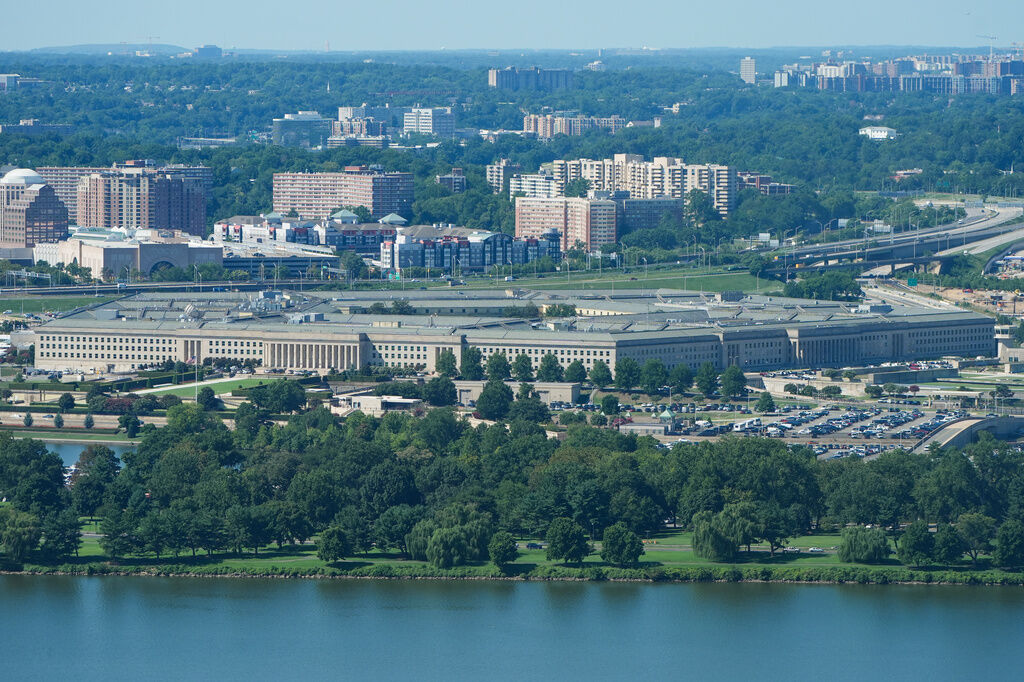
US strikes another boat in eastern Pacific, killing two, Pentagon says
The Associated Press
the-associated-press@coloradopolitics.com
Updated 14 hours ago
U.S. forces have struck another vessel in the eastern Pacific, killing two people the Pentagon says were trafficking drugs. The U.S. Southern Command announced the strike in a social media post early Monday. The death toll from the Trump administration’s...
PREV
PREVIOUS
OUT WEST ROUNDUP | Yellowstone logs record visits; NM residents could get tuition-free college
WYOMING Yellowstone visits hit record high in 2021 MAMMOTH HOT SPRINGS – A record number of visitors flocked to Yellowstone National Park last year despite fewer hotel rooms and campsites being available because of the coronavirus pandemic and construction projects. About 4.86 million visits were tallied in 2021, breaking the prior record set in 2016. […]

THIS WEEK AT THE COLORADO CAPITOL | Week of Jan. 31-Feb. 4, 2022
Here are legislative committee hearings and other events of note for the week ahead at the Colorado state Capitol. Committee schedules are subject to change. The daily schedule is available on the legislature’s website. Options for public testimony during committee hearings can be found here. House regulations regarding remote testimony can be found here. Senate regulations are here. According […]