

Colorado minimum wage to increase Jan. 1
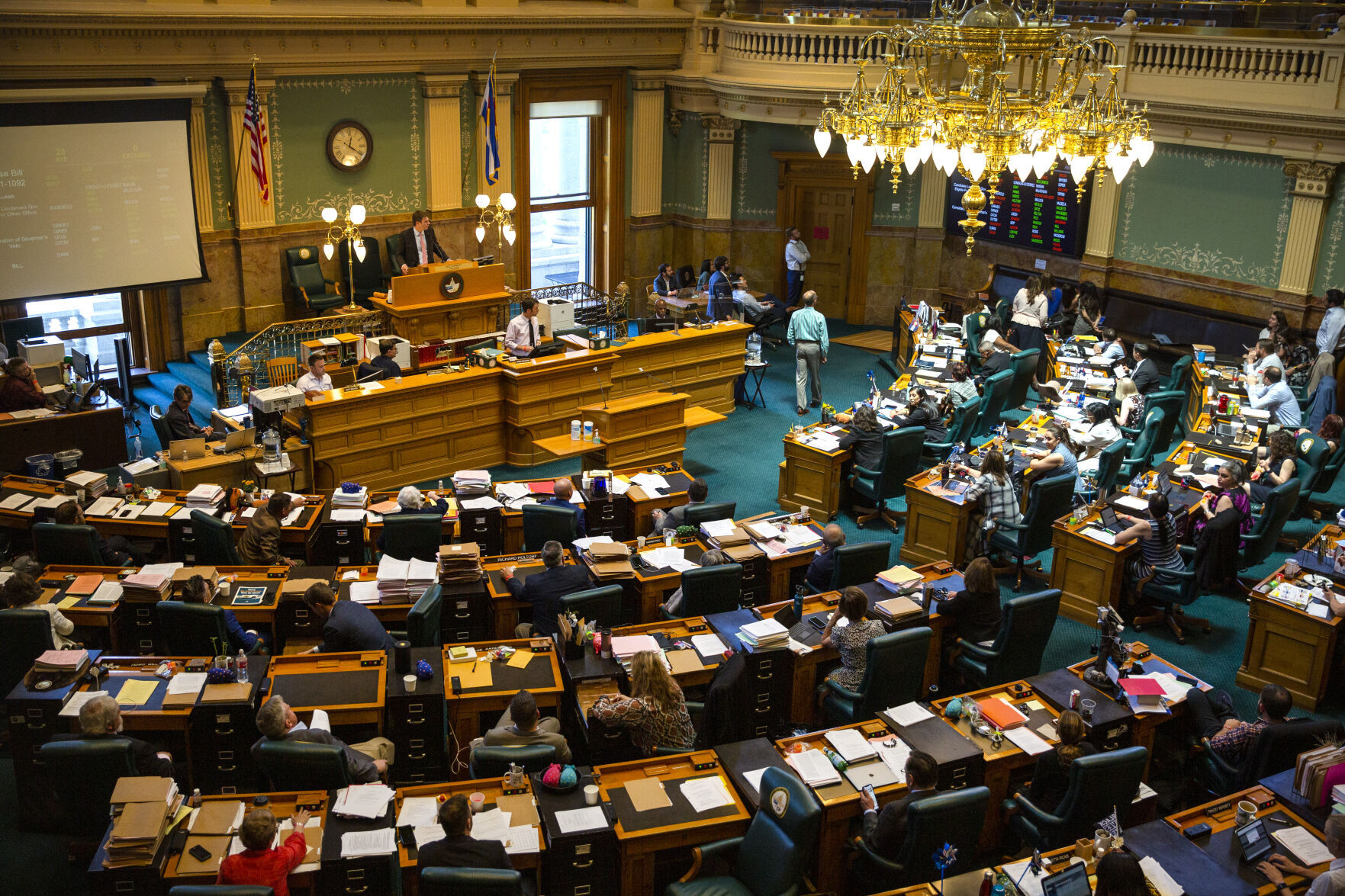
Colorado’s hourly minimum wage will increase from $12.32 per hour to $12.56 per hour on Jan. 1, 2022, the result of voter approval of Amendment 70 in 2016.
At that time, the state’s minimum wage was $8.31 per hour.
Tipped wages, which started at $5.29 per hour prior to passage of Amendment 70, will increase from $9.30 per hour to $9.54 per hour, according to the Colorado Department of Labor and Employment.
In a statement Thursday, Gov. Jared Polis also noted that all direct care workers funded with state dollars and those who work at in-home and community-based settings will receive a minimum wage of $15 per hour.
The statement pointed out that 47% of direct care workers “access some form of public assistance to meet their daily needs and 34% are involved with Medicaid.”
In September, the Joint Budget Committee approved a plan put forward by the governor to increase hourly pay for the lowest-paid direct care workers.
“This wage increase would target workers who currently receive the lowest rate of pay, yet provide the vast majority of hands-on care to older adults and individuals with disabilities within our state, including personal care workers, homemakers, direct support professionals, and others,” according to a Polis statement.
Those wage increases will be supported by federal American Rescue Plan Act dollars, the Polis administration said.
Along with the minimum wage hike, 14 bills from the 2021 session also will go into effect on Jan. 1.
Among the new laws:
House Bill 1207 limits the definition of overpayments of workers’ compensation benefits to include only benefits paid as a result of fraud or duplicate benefits. Previously, insurance carriers and employers could recoup these overpayments against future benefits and/or from the employees who received those benefit payments.
The most significant part of HB 1211 doesn’t go into effect until July 1, 2022. The bill limits the ability of jails to put a detainee in solitary confinement if the individual exhibits signs of serious mental illness or shows “grossly abnormal and irrational behaviors or breaks with reality or perceptions of reality.” The law’s Jan. 1 enactment requires jails to keep records on those placed in solitary confinement, including those with mental illness or substance abuse issues.
HB 1239 changes the law around contracts for dating services, allowing buyers to cancel the contract up through midnight of the third business day after the day on which the contract is signed.
Colorado Proposition DD allowed sports betting to take place in Colorado. As of Jan. 1 under HB 1292, the Colorado Department of Revenue will start reporting monthly and annual public reports of revenues, expenses and other information from sports betting, similar to the reports the agency already does for casinos.
Beginning Jan. 1, counties will start notifying the state about how much revenue is lost from an increase in the business personal property tax exemption, under HB 1312. Those losses must be reimbursed by the state. Taxes on business personal property are paid to the counties, with an exemption for the first $7,900 of property. That includes things like computers, desks and other non-salable equipment.
Under the law, the exemption increased to $50,000 for tax years 2021 and 2022.
HB 1314 removes discretionary and/or mandatory authority of the Department of Revenue to strip Coloradans of their driver’s licenses for a variety of reasons, including:
- First conviction for illegal underage possession or consumption of alcohol or marijuana or attempting to obtain alcohol when underage
- Failure to pay judgments for traffic or municipal violations while a minor
- Failing to pay fare on public transportation
Portions of HB 1317, which dealt with marijuana concentrates, have already gone into effect. A Jan. 1 provision requires coroners to conduct toxicology screens for the presence of THC, alcohol or drugs for non-homicide deaths for anyone under the age of 25.
In addition, the law limits purchases of medical marijuana concentrates to no more than 8 grams for patients over 21 years old, and those 18 to 20 are limited to two grams per day. The previous limit was 40 grams per day. Dispensaries will be required to track a patient’s daily purchase with the state’s marijuana inventory tracking system to ensure patients are not buying more than their daily limit.
Under SB 73, the statute of limitations for sexual assault of a minor, which under current law is six years, goes away on Jan. 1 for assaults taking place on or after that date. For assaults prior to Jan. 1 for which the six-year limitation had not yet expired, the statute of limitations continues indefinitely. SB 88 also makes changes tied to sexual abuse of minors, allowing for a civil cause of action for abuses going back to 1960. Victims of sexual misconduct, where the abuse took place between 1960 and prior to Jan. 1, 2022, must file the civil action by Jan. 1, 2025.


Denver Council narrowly approves deal with Axon
Deborah Grigsby
deborah.smith@denvergazette.com
Updated 3 hours ago
After weeks of delay, the Denver City Council narrowly approved a one-year $150,000 contract with Axon for 50 automated license plate-reading cameras and the necessary system hardware, replacing the city’s former vendor, Flock. The 7-6 vote came during Tuesday’s regular...

Colorado leaders weigh next steps after Supreme Court rejects state ban on ‘conversion therapy’
Marissa Ventrelli
marissa.ventrelli@coloradopolitics.com
Updated 16 hours ago
Colorado leaders said they are weighing next steps after the U.S. Supreme Court on Tuesday rejected the state’s ban on “conversion therapy” for children, as critics and supporters cheered or lambasted the ruling. The court’s near-unanimous decision called the Colorado...

Aurora homeless shelter opened too early, CEO says, as mold and plumbing issues emerge
Kyla Pearce
kyla.pearce@gazette.com
Updated 3 hours ago
Aurora’s largest homeless services project launched “way too early,” its CEO told city leaders Tuesday, saying the rushed opening left residents living amid mold, plumbing failures, and other issues inside the former hotel. During Tuesday’s Housing, Neighborhood Services and Redevelopment...

Hegseth features Fort Carson soldiers after returning from Middle East, gives warning on Iran war
Reuters
reuters@gazette.com
Updated 2 hours ago
Defense Secretary Pete Hegseth said on Tuesday the next few days in the war against Iran would be decisive and warned Tehran that the conflict would intensify if it did not make a deal. Hegseth also highlighted his trip to the Middle...

Gov. Polis declares April ‘dig safely month’ to mark 40th anniversary of Colorado 811
Scott Weiser
scott.weiser@gazette.com
Updated 2 hours ago
Gov. Jared Polis declared April 2026 as “Dig Safely Month” in Colorado, an annual observance that this year highlights the 40th anniversary of Colorado 811, the state’s One-Call Notification System. “Before everyone starts their warm weather projects around the house,...
Federal judge dismisses U.S. government lawsuit against Colorado, Denver’s ‘sanctuary’ laws
Michael Karlik
michael.karlik@coloradopolitics.com
Updated 16 hours ago
A federal judge dismissed the U.S. government’s lawsuit against Colorado and Denver on Tuesday, which alleged that various local policies impermissibly infringed on federal immigration enforcement. U.S. District Court Judge Gordon P. Gallagher followed the lead of judges in Illinois...

Denver proposes yearlong moratorium on new data centers
Deborah Grigsby
deborah.smith@denvergazette.com
Updated 19 hours ago
As Denver Water calls for a 20% reduction in water use during Stage 1 drought conditions, City Council members advanced a bill to rein in one of the largest water users — data centers — by proposing a yearlong moratorium...
Lakewood zoning canvasser accused of stealing opposition material
Sage Kelley
sage.kelley@denvergazette.com
Updated 3 hours ago
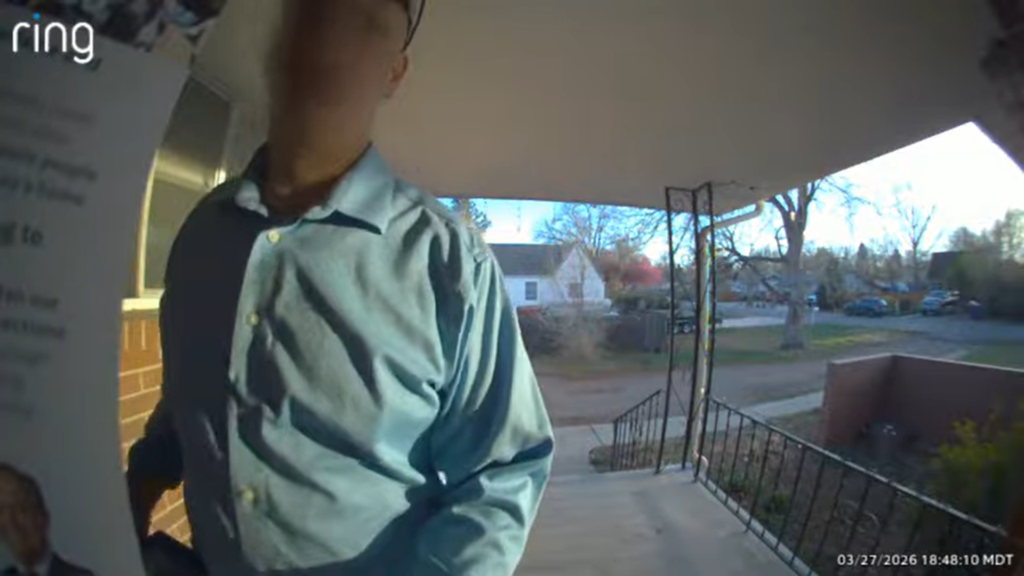
Controversies surrounding the Lakewood special election continue, with the latest including allegations of sign-stealing. The city’s special election regarding already approved zoning changes is occurring on April 7 and — along with more than a year of contention between opponents...

Federal judge finds DOJ adequately searched for, disclosed records related to Bidens
Michael Karlik
michael.karlik@coloradopolitics.com
Updated 20 hours ago
A federal judge determined on Friday that the U.S. Department of Justice adequately searched for and disclosed records to a Colorado attorney in response to his request for documents related to former President Joe Biden’s son and brother. In November...

Colorado lawmakers push legislation to shrink RTD board, increase pay as ridership struggles persist
Marissa Ventrelli
marissa.ventrelli@coloradopolitics.com
Updated 38 minutes ago
Colorado lawmakers are advancing a new push to overhaul the Regional Transportation District, proposing to shrink the board, raise member pay and boost ridership back to pre-pandemic levels. While some stakeholders see the effort as a step forward, others warn...
PREV
PREVIOUS

Coloradans face sharp spike in energy bills this winter
Millions of Coloradans face steep increases in energy bills this winter, with some having to pay as much as 50% more compared to last winter. The rate increases occur at a time when residents struggle to keep up with inflation and the COVID-19 pandemic continues to hammer the state and the rest of the country. […]

Gov. Jared Polis commutes sentence of Rogel Aguilera-Mederos from 110 years to 10 years.
Gov. Jared Polis today shortened the sentence of a truck driver convicted of four counts of vehicular homicide earlier this month from 110 years to 10 years. Polis also commuted two other sentences, pardoned 15 individuals and signed an executive order granting 1,351 pardons for convictions of possession of two ounces or less of marijuana. The […]