

Fewer than 100 ICU beds left in Colorado as hospitals battle mutlifront crisis
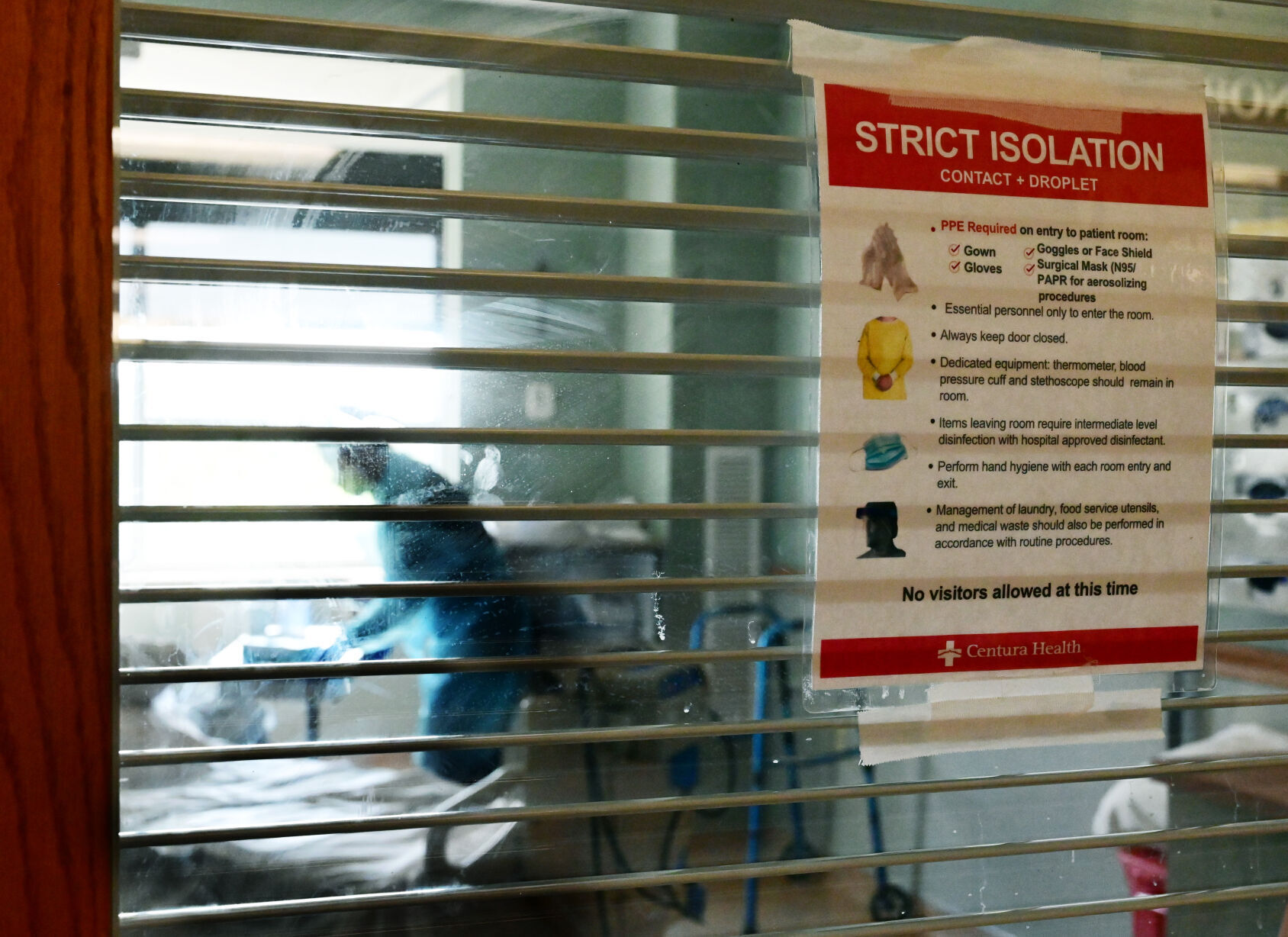
There are fewer than 100 intensive care beds left in Colorado as of Friday afternoon, a state health official said, an unprecedented capacity crush that’s driven by multiple health surges washing over hospitals at once.
State and hospital officials have sounded increasingly urgent alarms about capacity in recent weeks, a situation exacerbated by COVID-19 levels reaching heights unseen in nearly a year. But the virus is one of several factors pushing capacity into this uncharted territory, from staffing shortages to increased trauma cases and the adverse effects of care delayed earlier in the pandemic.
In early December 2020, when there were more than 1,800 residents hospitalized with COVID-19, there were still 1,800 total beds available, Scott Bookman, the state’s incident commander for COVID-19, told reporters Friday. Now, though there are hundreds fewer COVID-19 patients, there are 815 beds left available. For the first time, hospitals moved this week to allow patients to be transferred between any facility in the state, without that patient’s consent.
Bookman called the capacity situation “incredibly concerning.” As of Friday morning, 93% of ICU beds statewide were in use, the highest rate of the pandemic. Ninety-two percent of acute care beds are occupied, another high. The seven-day average for both is at or above 90%.
“Obviously we’re all disappointed that we’re here, today, after the first vaccines arrived in the state in the middle of December last year,” Bookman said. “I really did think that we were moving beyond this part of the pandemic, and unfortunately, this is where we find ourselves today.”
Since the beginning of the pandemic, COVID-19 has generally not threatened to overload ICU or standard hospital beds on its own. Hospital and state officials have long warned that the virus has the potential to push capacity over the edge because hospitals still must deal with typical patients. Last month, for instance, state epidemiologist Rachel Herlihy said roughly 40% of occupied ICU beds were in use by COVID-19 patients. An official with HealthOne told the Gazette last week that patients infected with the virus make up 12% of the system’s overall volume.
Such is the case now, officials have said. Bookman echoed what hospital officials told the Gazette last week: Because so many Coloradans delayed care last year out of fear of hospitals or emergency rooms, patients are coming to the hospitals now with more serious medical issues that require hospitalizations and longer stays in those beds. Another factor is the amount of people now moving about the state “has increased the amount of trauma cases out there,” Bookman said.
In a bid to preserve beds and staff, the state has blocked hospitals from offering nonemergent cosmetic procedures. But there’s no prohibition on other procedures; hospital officials have warned that delaying those surgeries again will only further extend the delayed care repercussions that facilities are weathering now.
But the largest strain, officials have said, is an exhausted and depleted health care workforce. There are fewer ICU and standard beds now than there were during the peak last year, in part because there are fewer workers to care for the patients who could occupy them.
“We have the space,” Cara Welch, spokeswoman for the Colorado Hospital Association, told the Gazette last month. “It’s a matter of if we can staff the space. That’s really where we’re trying to work with the state on what solutions are available.”
“Our health care workforce is tired,” Bookman said Friday. “Our health care workforce is worn out. It’s not just an empty bed; it comes with a nurse and a doctor and a respiratory therapist and all of those support services. That is all coming together right now to create this challenge.”
It remains unclear, he added, why Colorado is being hammered now, with its high vaccination rate and with September surges elsewhere in the United States largely abating.
Vaccinations, Bookman and other state officials have repeatedly said, are the “way out of this pandemic.” State data shows that 80% of hospitalized COVID-19 patients here are unvaccinated. Those who haven’t been inoculated have also been nearly five times more likely to die of COVID-19 than those who’ve been vaccinated, said Beth Carlton, of the Colorado School of Public Health.
“Most deaths are preceded by a long hospital stay,” added Glen Mays, also of the public health school. “If left unchecked, we know that high volumes of unvaccinated COVID-19 patients will over-crowd hospitals and diminish access to care and quality of care for vaccinated patients who need care for other conditions, ultimately leading to higher mortality for all patients.”
Asked Friday if he or other health officials had asked for a return of a statewide mask mandate, Bookman repeated the recent state refrain: The pandemic is not consistent across Colorado, and the state Department of Public Health and Environment is continuing to act in an advisory capacity to local authorities and health agencies.


US Sen. Michael Bennet qualifies by petition for Colorado’s Democratic gubernatorial primary
Ernest Luning
ernest.luning@coloradopolitics.com
Updated 16 minutes ago
U.S. Sen. Michael Bennet on Tuesday became the first gubernatorial candidate to qualify for Colorado’s June primary ballot after state election officials determined the three-term Democrat’s campaign submitted enough valid petition signatures. Bennet is facing Attorney General Phil Weiser in...
Colorado legislators consider $500 million in general fund cuts amid $1.5 billion deficit
Marianne Goodland
marianne.goodland@coloradopolitics.com
Updated 17 hours ago
The legislature’s Joint Budget Committee is working through a list Wednesday of about 150 suggestions to cut as much as $1.5 billion in general fund dollars out of next year’s budget. The largest on the list prepared by JBC staff...
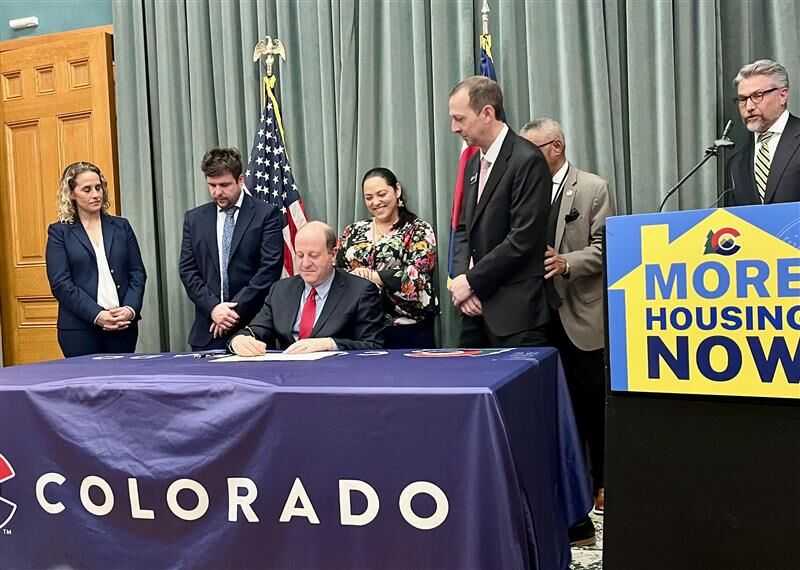
Colorado’s push for affordable housing continues as Gov. Polis signs HOME Act, workforce housing bill
Marissa Ventrelli
marissa.ventrelli@coloradopolitics.com
Updated 16 hours ago
Gov. Jared Polis held the first public bill signing of the 2026 legislative session on Wednesday, signing a pair of housing measures into law. The bills — House Bill 1001 and Senate Bill 001 — are part of Democrats’ affordable...

Colorado farmers begin spring planting season with soaring fertilizer costs and price-gouging fears
Marianne Goodland
marianne.goodland@coloradopolitics.com
Updated 18 hours ago
As Colorado farmers prepare their fields for spring planting, many are sounding the alarm over fertilizer prices that have surged far beyond what they say global supply disruptions can explain. With nitrogen costs up 30% in a matter of days,...
Federal judge refuses to authorize immediate appeal in World Cup trafficking lawsuit
Michael Karlik
michael.karlik@coloradopolitics.com
Updated 17 hours ago
A federal judge declined to authorize an immediate appeal last week of a prior decision allowing companies operating out of Colorado to be sued for allegedly participating in a human trafficking venture involving Filipino laborers who constructed facilities for the...

Colorado lawmakers approve $150,000 ibogaine study bill targeting PTSD and addiction
Marissa Ventrelli
marissa.ventrelli@coloradopolitics.com
Updated 17 hours ago
The Colorado House Health and Human Services Committee advanced a bill that would create a $150,000 research pilot program to study the safety and effectiveness of ibogaine, a psychoactive compound that claims to treat post-traumatic stress disorder, opioid addiction, and...
Federal judge considers second round of sanctions against ex-Colorado judicial discipline director
Michael Karlik
michael.karlik@coloradopolitics.com
Updated 20 hours ago
A federal judge ordered Colorado’s former judicial discipline director on Tuesday to explain why she should not sanction him a second time for filing documents for improper purposes, such as harassment or delay. U.S. District Court Senior Judge Kathryn H....
Historic low snowpack prompts Denver Water move to Stage 1 restrictions
Deborah Grigsby
deborah.smith@denvergazette.com
Updated 46 seconds ago
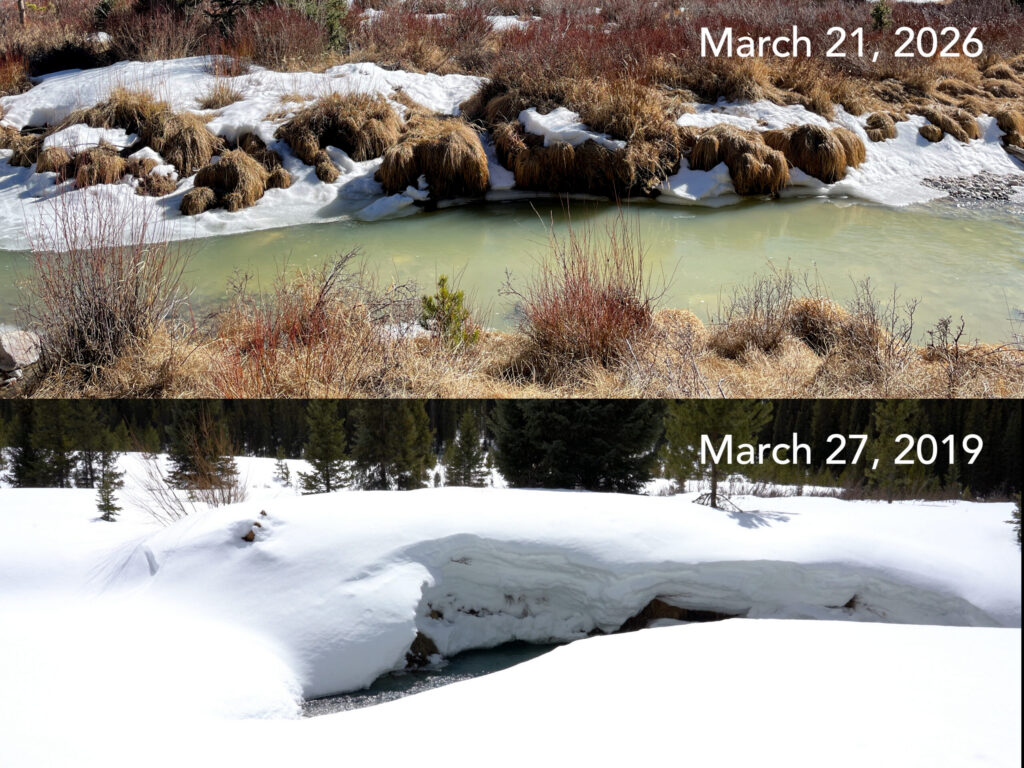
Denver Water will ask its board to consider premium pricing for outdoor water use next month after the board declared Stage 1 drought conditions on Wednesday and approved mandatory watering restrictions. The restrictions include a 20% reduction in water use,...
Colorado Democrats want large corporations to pay fee if employees are on Medicaid
Marianne Goodland
marianne.goodland@coloradopolitics.com
Updated 17 hours ago
Democrats are seeking to require Colorado’s largest corporations to pay thousands of dollars for each employee that relies on the Medicaid program for health insurance. They don’t have to pay the fee if they can demonstrate offering an “affordable health...

Colorado justices agree to review insurance question that has divided federal judges
Michael Karlik
michael.karlik@coloradopolitics.com
Updated 1 day ago
The Colorado Supreme Court granted a federal judge’s request on Friday to address an issue that has produced conflicting answers in policyholders’ lawsuits against insurance companies over unpaid benefits. “Parties (and judges) regularly spend undue time and money fighting in...
PREV
PREVIOUS

Democrat Joe Salazar files to run for state Senate in open Adams County district
Former state Rep. Joe Salazar is seeking an open state Senate seat in next year’s election to support aggressive policies and “hold the executive branch’s feet to the fire,” the Thornton Democrat said Friday. Salazar, the executive director of anti-fracking organization Colorado Rising, ran for attorney general in 2018 rather than seek a fourth term […]

California GOP Rep. Mike Garcia endorses Eli Bremer in Colorado Senate race
The California Republican who flipped one of the state’s Democratic-held congressional seats for the first time in more than two decades last year is endorsing Eli Bremer’s bid for the U.S. Senate seat held by Democrat Michael Bennet. U.S. Rep. Mike Garcia, a first-generation American citizen and a decorated Navy veteran, said he believes Bremer […]