

OUT WEST ROUNDUP | Land donation grows wilderness area; spending by film industry soars
NEW MEXICO
Wilderness area grows with largest-ever donation
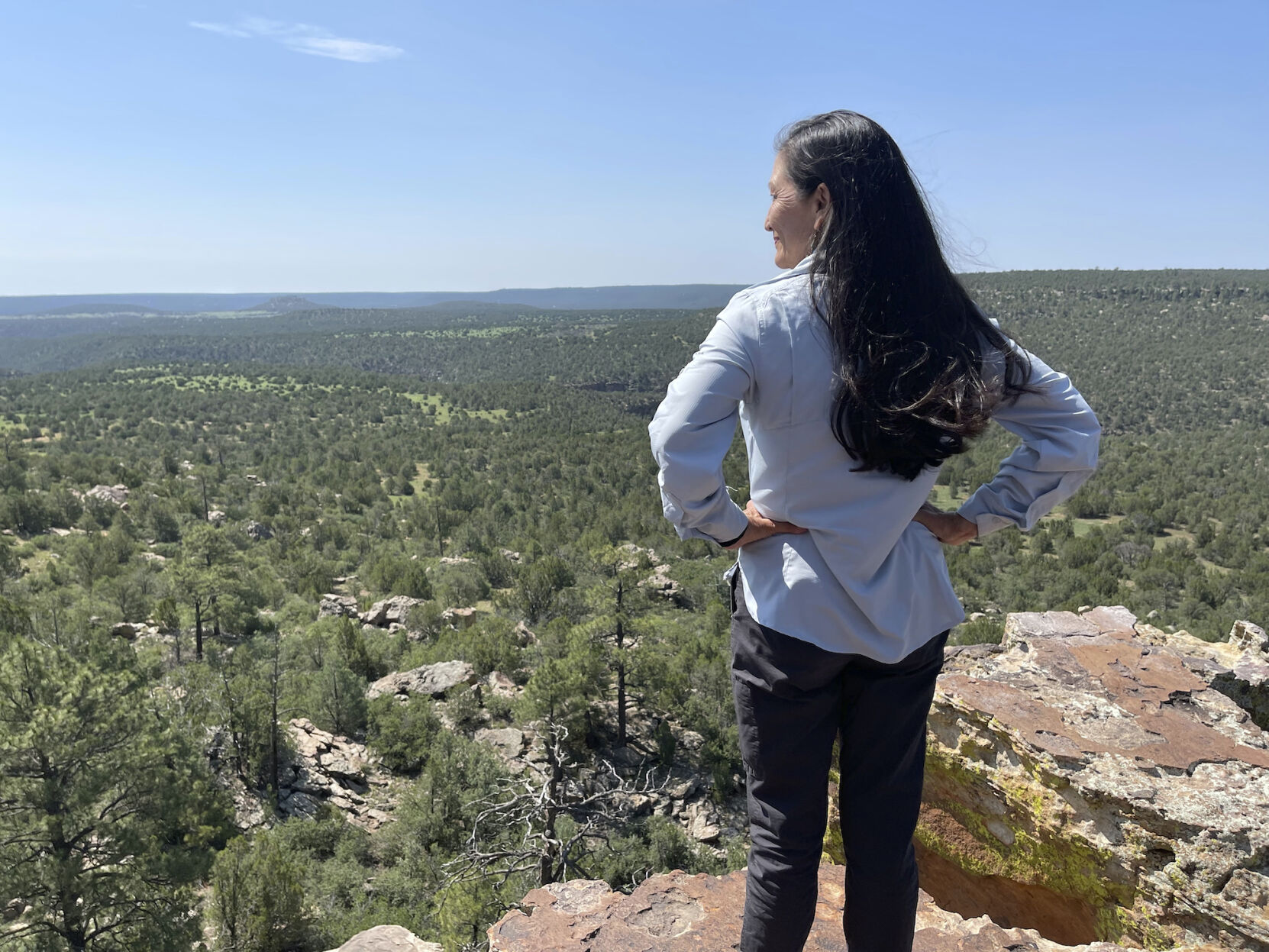
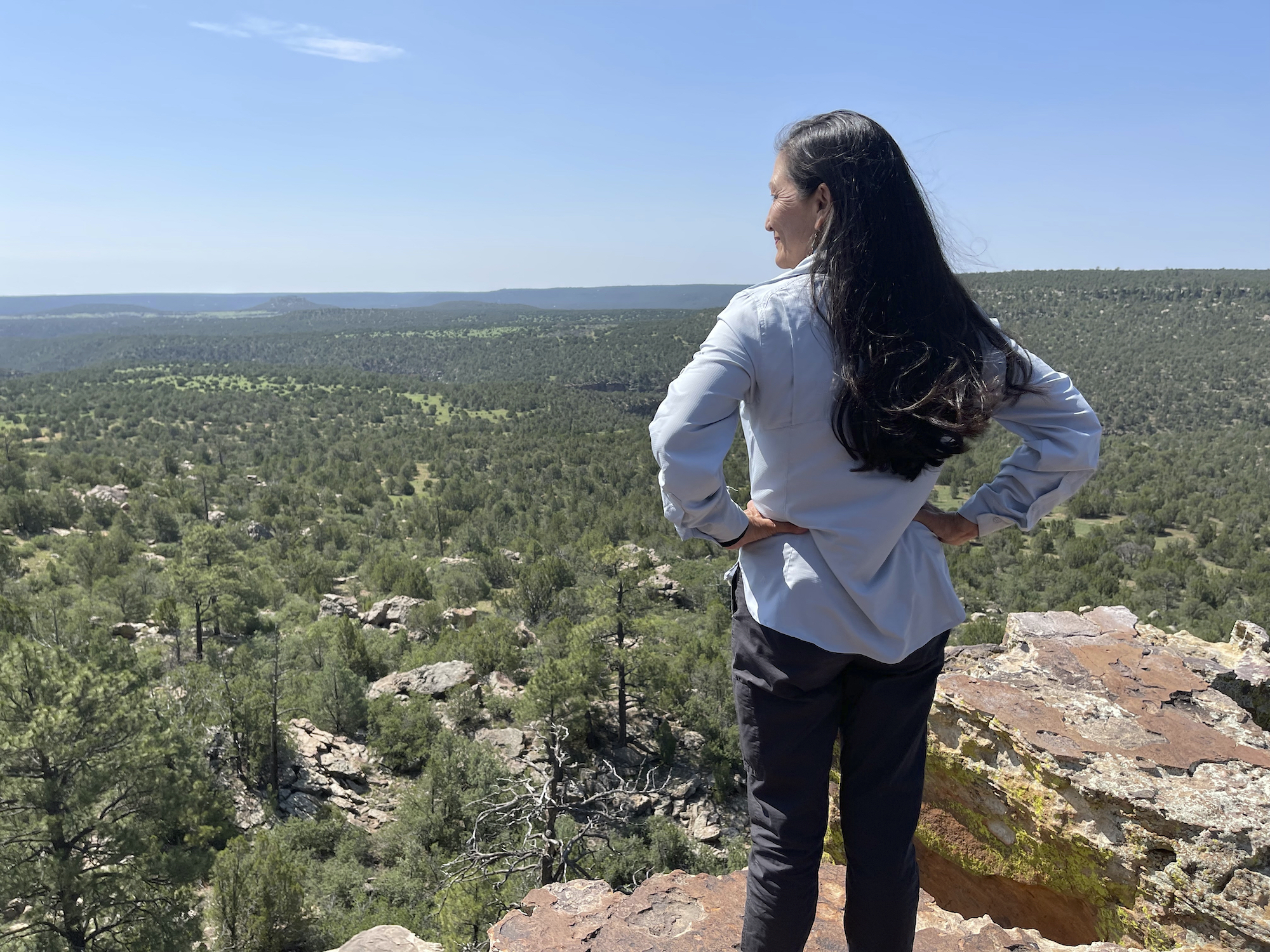
ALBUQUERQUE – U.S. Interior Secretary Deb Haaland visited her home state on July 17 to celebrate what marks the largest wilderness land donation in the agency’s history and another addition to the nation’s landholdings as the Biden administration aims to conserve nearly one-third of America’s lands and waters by 2030.
The 15-square-mile donation from the Trust for Public Land increases the size of the Sabinoso Wilderness Area in northeastern New Mexico by nearly 50%. The property includes rugged canyons, mesas covered by pinon and juniper woodlands, pockets of ponderosa pine trees and savannah-like grasslands.
Haaland, who joined other officials at a remote site in San Miguel County, acknowledged that the area makes up part of the ancestral homelands of the Jicarilla Apache and northern pueblos of New Mexico. She said that, for generations, families have relied on the land for sustenance and that it means a lot to many people who visit the area in search of peace and quiet.
The Sabinoso gained federal wilderness protection in 2009, but was inaccessible for visitors since the federal parcel was landlocked by private holdings.
Through the work of conservation groups and members of New Mexico’s congressional delegation, the Bureau of Land Management accepted a donation in 2017 of nearly 6 square miles from The Wilderness Land Trust. That provided public access for the first time.
Now, the donation from the Trust for Public Land provides a second access point as well as permanent protections for a tributary that feeds into the existing wilderness.
The area supports an array of wildlife, from elk and deer to mountain lions, turkey and bears.
State marks record year of spending by film industry
SANTA FE – Despite the coronavirus pandemic that led to a shutdown for months in film production, the show did go on in New Mexico.
The New Mexico Film Office announced on July 19 that this fiscal year, which began in July 2020, broke records in the state with film and TV productions spending roughly $623 million. An estimated 40% of production budgets are spent on procuring goods and services from New Mexico businesses, according to the state.
Democratic Gov. Michelle Lujan Grisham touted the numbers as a key to the state’s recovery, saying the productions would otherwise have been shot elsewhere had it not been for the state’s crew base, stunning locations and film incentive program.
Earlier this year, NBCUniversal marked the opening of its production hub near downtown Albuquerque. It joined Netflix, which has plans to expand its footprint on the southern edge of the city. Both have received millions of dollars in state and local economic development funds as incentives for locating in New Mexico.
An estimated 9,000 New Mexico residents work in the industry with an average wage of over $56,000 annually, according to the state. About three-quarters of below-the-line crew and cast members involved in productions over the last year were residents.
Production was halted for about one quarter of the fiscal year because of the pandemic. Since resuming in September 2020, the state saw 26 film, 24 television and 19 additional media productions. During that time, the COVID-19 positivity rate among crew and cast remained low, averaging about 0.1%.
Amber Dodson, director of the New Mexico Film Office, said there are more productions in the pipeline for the remainder of the year and well into 2022.
WYOMING
Report: Coal production plunged in 2020
CASPER – A new U.S. report says coal production in Wyoming, the nation’s top coal mining state, fell by 21% in 2020 from the previous year, caused in part by reduced demand during the coronavirus pandemic, low natural gas prices and a longstanding move away from fossil fuels to cheaper and cleaner-burning natural gas to generate electricity.
A U.S. Energy Information Industry Administration report released the week of July 12 also said the nation’s coal production in 2020 was at its lowest level since 1965, The Casper Star-Tribune reported Thursday.
Wyoming produced 41% of the nation’s coal in 2020, the EIA said.
Total U.S. coal production fell 24% in 2020 from 2019 and coal-fired power generation dropped by 20%. Coal exports were down 26%, the EIA said.
Production has increased to meet rising electricity demand as the economy reopens this year. The EIA estimates that U.S. coal production this year will be 15% higher than in 2020.
Travis Deti, executive director of the Wyoming Mining Association, said coal still provides 20% to 23% of U.S. electricity supply. Many of some 572 coal industry jobs lost last year in Wyoming are returning, Deti said.
Coal’s steady downturn and oil prices that plunged during the pandemic forced the state to slash spending over the past year.
WESTERN STATES
Survey: Growth continuing in rural parts of 10 states
OMAHA – Rural parts of 10 Plains and Western states are seeing continued economic growth in the region, according to a new monthly survey of bankers in the region, even as nonfarm jobs in most of those states remained below pre-pandemic levels.
The overall Rural Mainstreet economic index dropped from June’s 70.0 to a still-strong 65.6 in July. Any score above 50 suggests a growing economy, while a score below 50 suggests a shrinking economy.
The survey’s new hiring index decreased to 67.6 in July from 71.7 in June. The Bureau of Labor Statistics showed nonfarm jobs across the region came in at 55,000 fewer – or 1.3% less – than before the COVID-19 pandemic began last year, said Creighton University economist Ernie Goss, who oversees the survey. But three states – Minnesota, Nebraska, and South Dakota – reported nonfarm employment levels above pre-pandemic levels.
Goss said the region continues to benefit from growing exports, solid grain prices and continued low interest rates.
Bankers were less optimistic about the economy over the next six months than the previous month, with July’s confidence index slipping to 65.6 from June’s 71.7.
Nearly half of bankers surveyed reported damaging drought conditions for farmers in their area.
Bankers from Colorado, Illinois, Iowa, Kansas, Minnesota, Missouri, Nebraska, North Dakota, South Dakota and Wyoming were surveyed.
NAVAJO NATION
Council revives horse ride for summer session
WINDOW ROCK – The Navajo Nation Council is commencing its summer session with a return to tradition.
Tribal officials marked the beginning of the session July 19 with a horse ride to the council chamber in Window Rock, Arizona, the Farmington Daily Times reported.
The horse ride was canceled last year because of the coronavirus pandemic. The ride’s participants typically would travel to various chapters before arriving at the session. The event honors how previous tribal leaders would go to the Navajo Nation’s capital.
Delegate Mark Freeland said he rode alongside more than two dozen others.
Still, some delegates chose to attend the session by telephone.
The reservation is the country’s largest at 27,000 square miles and covers parts of Arizona, New Mexico and Utah.
Hard hit by the pandemic with more than 31,000 known cases, the Navajo Nation is seeing cases going down. But leaders are continuing to urge mask wearing and vaccinations.

Colorado legislators consider $500 million in general fund cuts amid $1.5 billion deficit
Marianne Goodland
marianne.goodland@coloradopolitics.com
Updated 15 hours ago
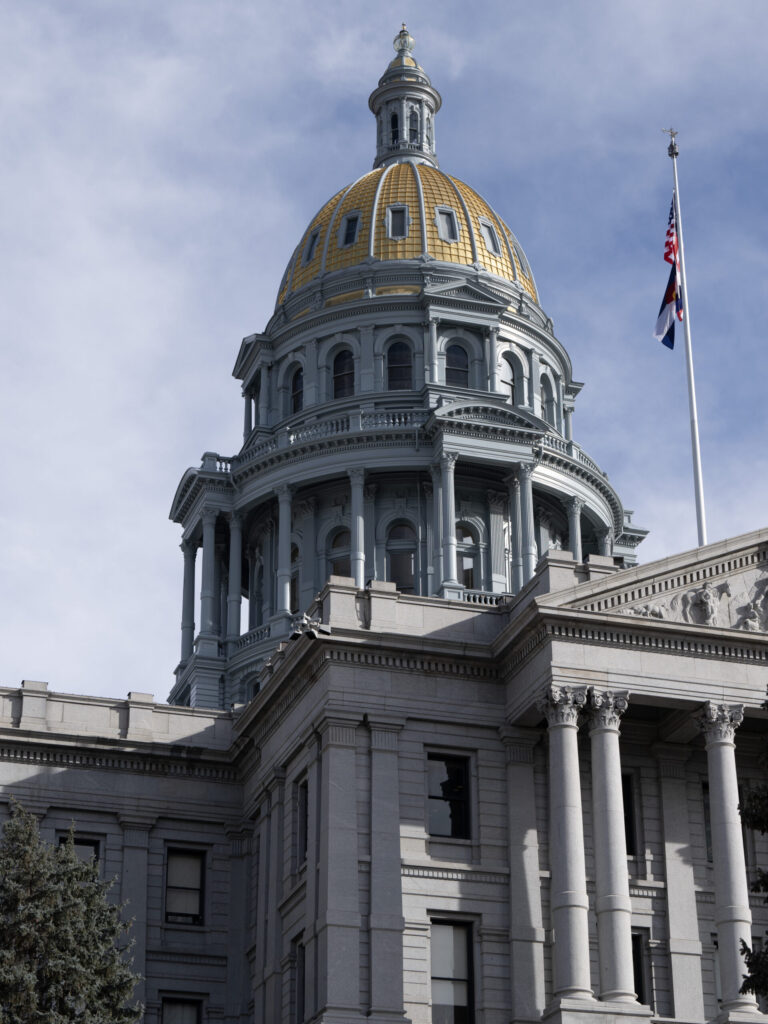
The legislature’s Joint Budget Committee is working through a list Wednesday of about 150 suggestions to cut as much as $1.5 billion in general fund dollars out of next year’s budget. The largest on the list prepared by JBC staff...
Colorado’s push for affordable housing continues as Gov. Polis signs HOME Act, workforce housing bill
Marissa Ventrelli
marissa.ventrelli@coloradopolitics.com
Updated 15 hours ago
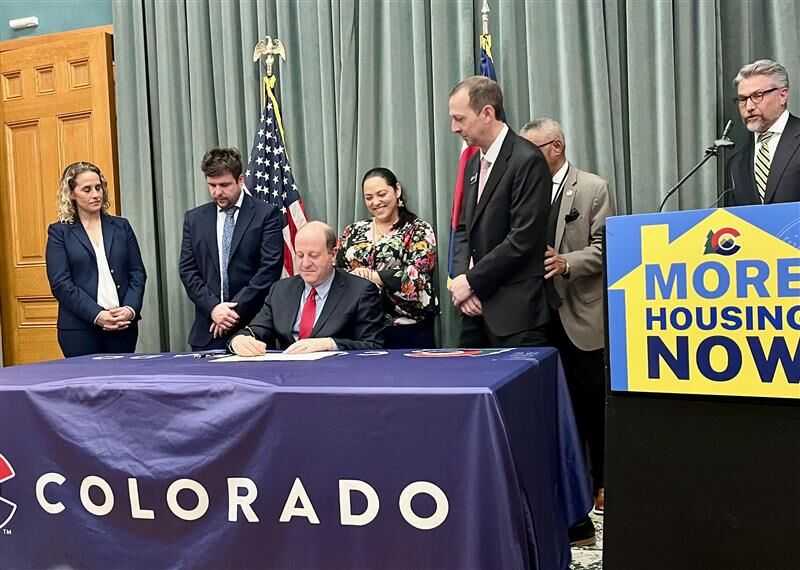
Gov. Jared Polis held the first public bill signing of the 2026 legislative session on Wednesday, signing a pair of housing measures into law. The bills — House Bill 1001 and Senate Bill 001 — are part of Democrats’ affordable...
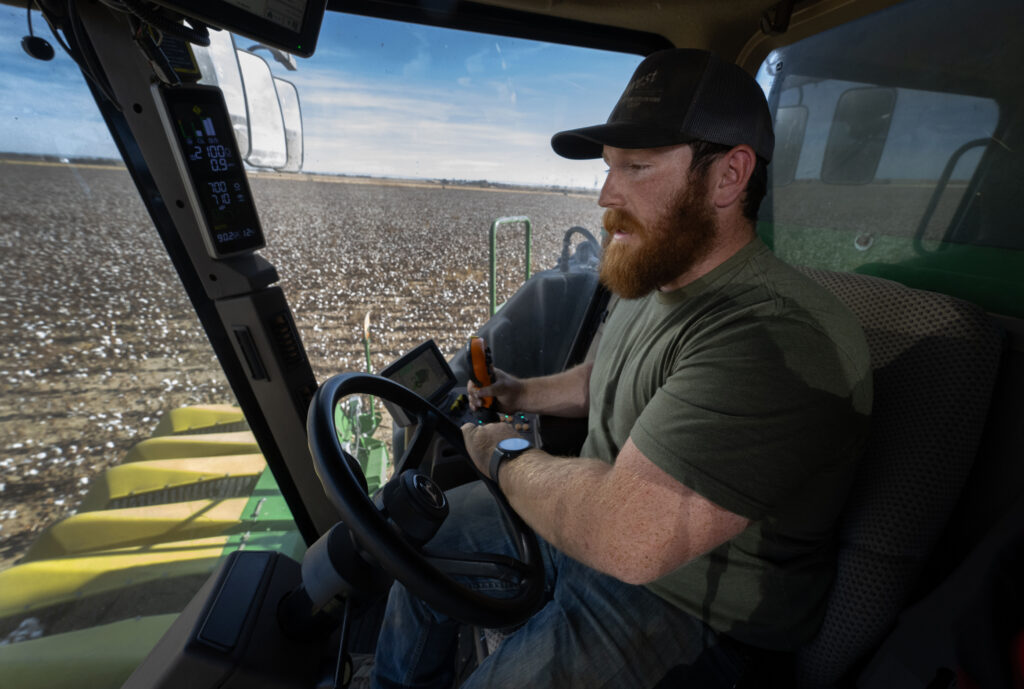
Colorado farmers begin spring planting season with soaring fertilizer costs and price-gouging fears
Marianne Goodland
marianne.goodland@coloradopolitics.com
Updated 17 hours ago
As Colorado farmers prepare their fields for spring planting, many are sounding the alarm over fertilizer prices that have surged far beyond what they say global supply disruptions can explain. With nitrogen costs up 30% in a matter of days,...
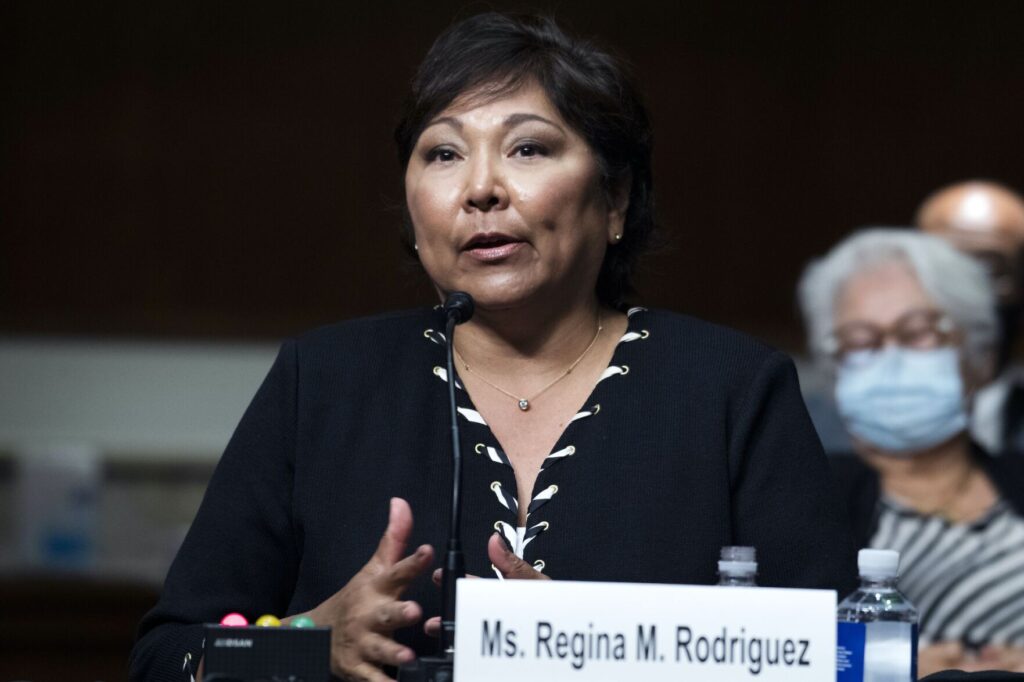
Federal judge refuses to authorize immediate appeal in World Cup trafficking lawsuit
Michael Karlik
michael.karlik@coloradopolitics.com
Updated 16 hours ago
A federal judge declined to authorize an immediate appeal last week of a prior decision allowing companies operating out of Colorado to be sued for allegedly participating in a human trafficking venture involving Filipino laborers who constructed facilities for the...

Colorado lawmakers approve $150,000 ibogaine study bill targeting PTSD and addiction
Marissa Ventrelli
marissa.ventrelli@coloradopolitics.com
Updated 16 hours ago
The Colorado House Health and Human Services Committee advanced a bill that would create a $150,000 research pilot program to study the safety and effectiveness of ibogaine, a psychoactive compound that claims to treat post-traumatic stress disorder, opioid addiction, and...
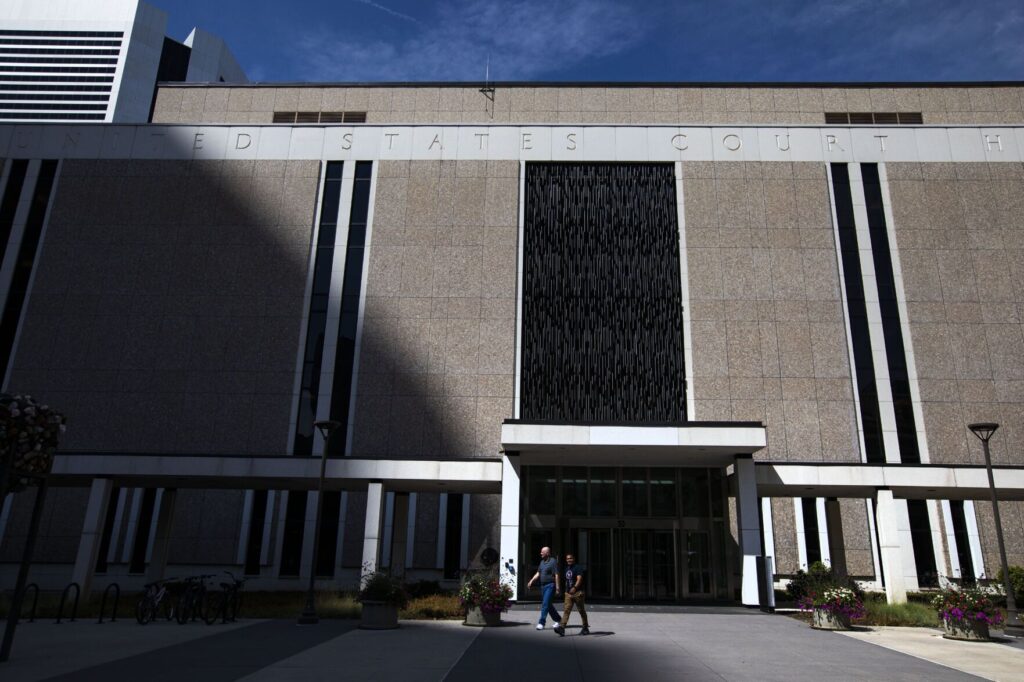
Federal judge considers second round of sanctions against ex-Colorado judicial discipline director
Michael Karlik
michael.karlik@coloradopolitics.com
Updated 19 hours ago
A federal judge ordered Colorado’s former judicial discipline director on Tuesday to explain why she should not sanction him a second time for filing documents for improper purposes, such as harassment or delay. U.S. District Court Senior Judge Kathryn H....
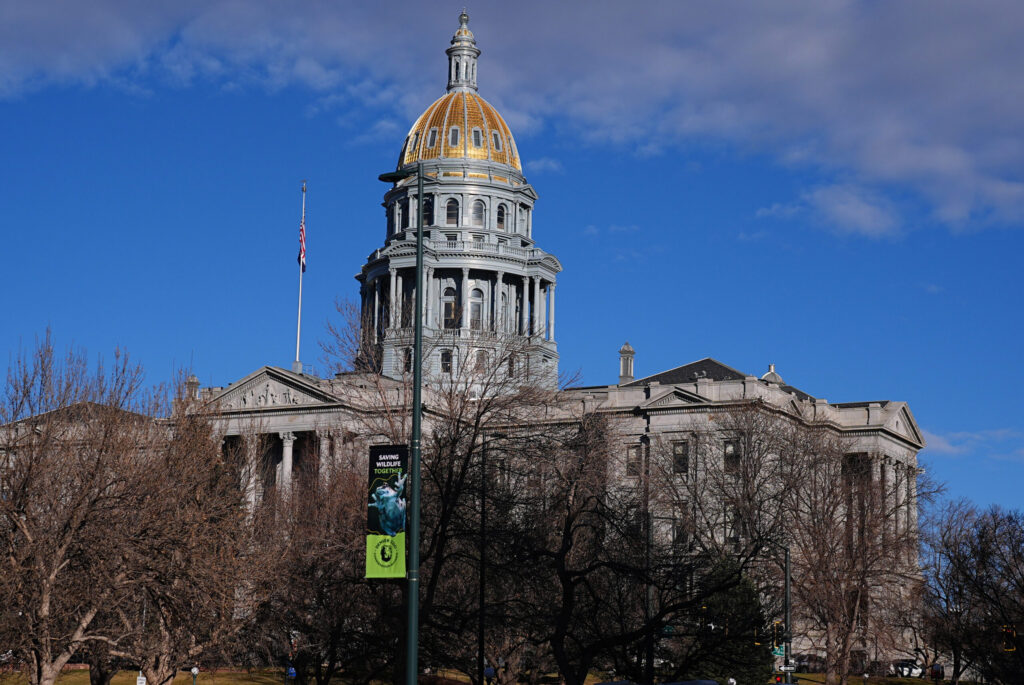
Colorado Democrats want large corporations to pay fee if employees are on Medicaid
Marianne Goodland
marianne.goodland@coloradopolitics.com
Updated 15 hours ago
Democrats are seeking to require Colorado’s largest corporations to pay thousands of dollars for each employee that relies on the Medicaid program for health insurance. They don’t have to pay the fee if they can demonstrate offering an “affordable health...

Colorado justices agree to review insurance question that has divided federal judges
Michael Karlik
michael.karlik@coloradopolitics.com
Updated 1 day ago
The Colorado Supreme Court granted a federal judge’s request on Friday to address an issue that has produced conflicting answers in policyholders’ lawsuits against insurance companies over unpaid benefits. “Parties (and judges) regularly spend undue time and money fighting in...
Farmworker overtime bill advances after lengthy debate in Colorado Senate
Marianne Goodland
marianne.goodland@coloradopolitics.com
Updated 2 days ago
The Colorado Senate on Tuesday narrowly advanced a bill to raise the overtime threshold for agricultural workers, defeating more than a dozen amendments from its leading opponent aimed at rewriting the measure. As introduced, Senate Bill 121 would raise the threshold for...

Colorado Agriculture Day: A feast for the ears, eyes and stomachs
Marianne Goodland
marianne.goodland@coloradopolitics.com
Updated 2 days ago
Gov. Jared Polis, legislators and friends of agriculture gathered at the state Capitol on Tuesday to celebrate Colorado Agriculture Day. The annual recognition of the contributions of Colorado farmers, ranchers and agribusiness drew hundreds to the Capitol’s west foyer, where...
PREV
PREVIOUS

DIA looks to a new day: Here's what lies ahead for one of America's busiest airports— and its former CEO Kim Day
When Kim Day walked out of Denver International Airport July 16 for the last time as its leader of 13 years, she left America’s third-busiest airport in a stronger financial position and helped set in motion expansion that will accommodate future growth, supporters said. But it wasn’t all wine and roses, as the old saying […]

COVER STORY: ROAD RULES | Here’s what businesses found so wrong with state proposals to rein in the number of cars on the road, and what’s next
The state of Colorado wants all large businesses in metro Denver to track what their employees do before and after work when it comes to commuting. It wants those employers to “increase parking charges” for gas-powered vehicles, appoint an “Employee Transportation Coordinator” to administer programs that reduce “single occupied vehicle” commutes and offer fully or […]