

Q&A with Laura Aldrete | Directing Denver’s growth and development
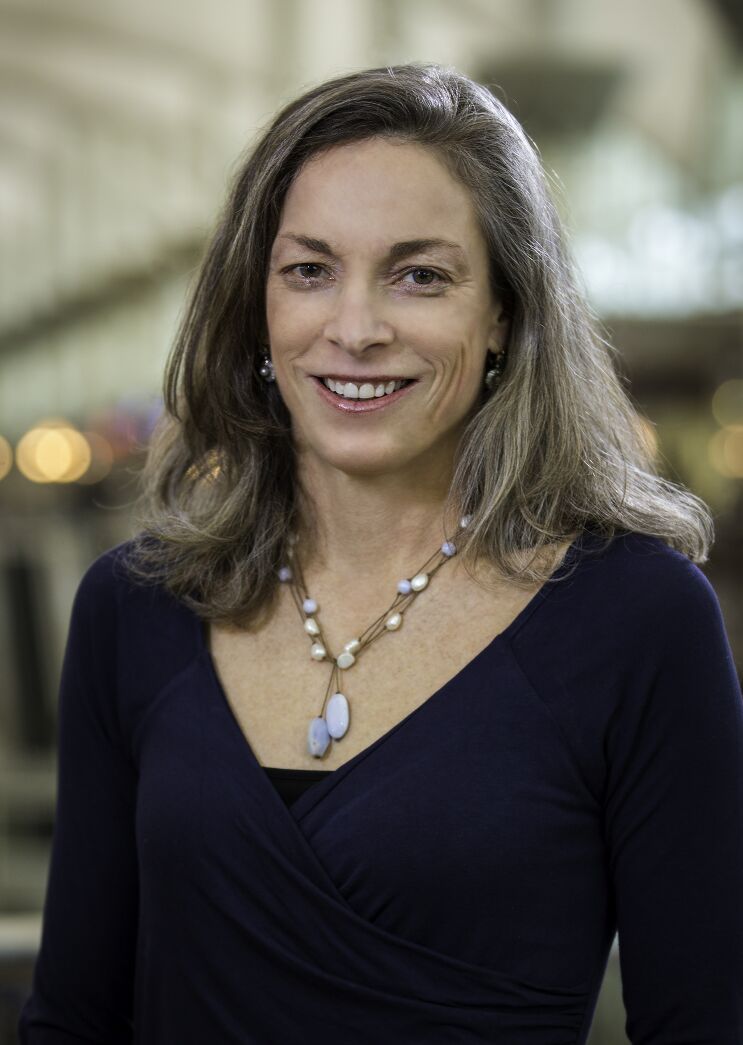
FAST FACTS
- Laura Aldrete was appointed by Mayor Michael Hancock as the executive director of Denver’s Community Planning and Development Department in October 2019.
- She previously served as senior vice president for real estate at Denver International Airport.
- Aldrete was the project manager with the Mayor’s Office for the Stapleton redevelopment in the early 2000s.
- She holds a bachelor’s degree from the University of Colorado Boulder and master’s degrees in urban and regional planning and Latin American studies from UCLA.
- Aldrete is a Denver native and bilingual in English and Spanish.
Colorado Politics: You recently surpassed your one-year mark as director of Denver’s Community Planning and Development Department. Congratulations! How’s it going? What do you see as some of your biggest accomplishments over the past year, and what are some of the most important things you’ve learned in the process?
Laura Aldrete: Thank you and it’s been an amazing experience to have the opportunity to contribute to my home city. Believe it or not, I’ve gained an even deeper understanding of our rich history, neighborhoods and economy through this position.
This past year, we finalized a neighborhood plan for the Capitol Hill, North Capitol Hill, Cheesman Park, Congress Park, City Park and City Park West neighborhoods. I’m incredibly proud of the work contained in this plan. By working directly with residents, we’ve developed policy recommendations to better support local businesses, improve housing affordability, create safer streets, preserve our local landmarks, invest in quality design, and address climate change. We’re at a point in our history where policies that advance equity, inclusivity, and health are so important, and this plan achieves that in a way older plans did not.
I’m also especially proud of the work we did this past year to preserve two more important places in Denver: the Tilden School for Teaching Health, a small campus of three buildings overlooking Highland Park, which date back more than 100 years, and the Howard Berkeley Park Chapel at 4346 W. 46th Ave., which this year became Denver’s 349th and most recent local landmark.
The best lesson I’ve taken from this past year is how empowering and humbling it can be to listen and meet with people of all walks of life, who each will have so many different ideas about the future – and how these conversations can come together to produce new visions for our neighborhoods that are bigger than each of us individually.
CP: Let’s take a quick step back. You’ve been in urban planning and real estate for a long time. Can you talk about what drew you to this profession and some of the places where your passion has led you in your career?
Aldrete: My first career was as an archaeologist focused on Meso-American cultures (Late Classic Maya, to be exact). I really enjoyed the physical work but felt there was a disconnect between the excavations and what I saw in the communities who lived around the archaeological sites. While I loved excavating sites, I found I was more motivated by the continuum of human culture that brought us to where we are today and what we are doing – or not doing – to change our future. This awareness gradually shifted my focus from archeology to city planning, where I’m able to work with our neighborhoods and communities to understand our histories, what motivates us, our needs, and how these understandings can influence a better future through the physical form of our city and neighborhoods.
My career has taken me all over the place! I’ve had the great fortune to travel many parts of Latin America and Europe, and to this day, I relish any opportunity to experience ancient city centers (Machu Picchu, Peru; Knossos, Greece; Tenochtitlan, (Mexico City) Mexico; Rome, Italy). These cities, some of which are vibrant today, offer thousands of years of layers upon layers of city building – literally one on top of the other until you arrive to the asphalt under your feet as you walk through the city. To me, this is mind-blowing and gives me perspective as we work to solve for Denver’s tomorrow.
CP: If we’re not mistaken, Mayor Michael Hancock recently called you the most powerful person in Denver, in charge of how the city looks, feels, works and grows. How do you define your role as planning director, and what are your goals in this position?
Aldrete: Well, I definitely don’t think of myself as that powerful. The truth is this work is a partnership. As city planners, we work with our residents, their elected officials, local businesses, and many others to come to a consensus on new policies that can retain affordability for residents while allowing room to grow. I took this position because my personal values are very closely aligned with the priorities established in our citywide plans, and my focus is on leading these conversations in a way where we are all working toward better outcomes in design (buildings and the spaces in between buildings), for racial equity, and for being forward-thinking on climate change. We’re actually one of the first U.S. cities to begin implementing a green construction code and our energy codes are among the top in the nation also. I’m pretty excited about the work being done to bring us closer to net-zero energy for new construction.
CP: The city’s population has grown by more than 20% over the last decade and shows no signs of slowing down any time soon. Meanwhile, many residents are experiencing displacement and growing increasingly resentful of the amount of development in the city. What do you see as the right way to grow into Denver’s future, and what are the best ways to utilize neighborhoods to do that?
Aldrete: Denver has been growing for the past 150-plus years and being able to evolve and adapt is a critical component of a thriving city. That said, I can understand the frustration of watching the streets you love begin to change. To me, it’s not really about whether or not we grow, but how we grow.
We need to have a range of housing options within each neighborhood that allows for “missing middle” housing – homes like duplexes, triplexes, and rowhomes – while ensuring that these new homes continue to reflect the surrounding architecture and design of the neighborhood. We have beautiful, historic home designs in Denver, and we can be proactive in protecting what’s beautiful and protecting our diverse cultural legacies while introducing more housing options at a range of price points. I also think we have hard conversations ahead of us about the depth of affordability in our city. We are working on many fronts to increase the number of affordably-priced homes, and this work is just ramping up.
I could go on for hours on this question, so I’ll just end by saying it’s not just housing options. I’m also thinking about and looking at how we support our neighborhoods with better mobility, sidewalks, being accessible and being safe for those walking, rolling, biking, or driving, how we integrate different types of land uses together to form complete neighborhoods, and how we add to our tree canopy and create more pockets of usable, enjoyable green space citywide.
CP: In the wake of protests for racial justice and in light of how the pandemic has impacted underrepresented communities, you’ve said that CPD is beginning to look at how to address systemic racism embedded in city planning. Could you talk a little more about that and explain how that might translate to future planning and development? How do you think being the first Latina director affects your perspective?
Aldrete: In 2019, we adopted a new, citywide land use and transportation plan called “Blueprint Denver.” This plan was the first land-use plan to specifically ask policymakers to address socioeconomic impacts, like vulnerability to displacement, housing options, jobs diversity, and access to opportunities in all neighborhoods. This plan recognizes what we’ve seen exacerbated this year by the disparate impact of COVID-19 on working-class communities and the nationwide protests against police brutality and structural racism – that we as policy makers need to have equity at the forefront of our decision making.
For me, this has meant starting inside our organization with equity training for our entire staff so we can work from the same point of reference and understanding. Now, we are working on an equity plan to guide how we continue this work internally and externally. For a planning and regulatory agency such as ours, I believe we have a responsibility to help address structural racism within the broader practice of urban planning as well as to evaluate our operations as an organization to identify and rectify policies and procedures rooted in biases or inequities. I’m fortunate to be working with a great team, from Mayor Hancock down through my staff in the field, who share this perspective and dedication to doing better.
Being raised bi-culturally in a traditional Mexican household, I quickly became aware of the need to “codeswitch” – the ability to move between the two cultures. I think that has given me the ability to view issues from multiple perspectives, and I understand what it is to navigate monolingually from having to translate for my grandmother and recognize the conflict between Mexican immigrant values of family and the American reward of individualism. These experiences hopefully allow me to step into others’ shoes and really listen and appreciate. I try not to have a value judgment of one over the other, but rather consider and focus on how these co-exist.
Given the history of Latinos in Colorado for the past 300 years, ensuring we understand the context of the land we occupy and the history of our people is a strong part of Denver’s future. Part of the answer is to grow CPD’s staff to adequately reflect the demographics of Denver and include our cultural history as part of our built environment. We will be undertaking a Latino Historic Context Study in 2021 to research and record the many physical and cultural places throughout the city that reflect our history.
CP: What Denver projects are you most excited about?
Aldrete: I’m really excited to launch a visioning study of the Park Hill Golf Course area. The golf course was privately owned but it has been closed since 2018, and in 2019, was sold to a private company. It’s always been a place that has charged a fee to access, which makes sense since the mission was to be a place to play golf, but now we have a once-in-a-lifetime opportunity to think about what this land could do in a historically African-American community if it wasn’t just a golf course. A truly public park? A park, a bank, an incubator for locally grown business endeavors? There is so much possibility, and we’re going to spend next year talking about it with these neighbors.
I’m also pretty excited for our Latino Historic Context Study to start in early 2021. That’s a mouthful, I know, but what it means is we are going to work in partnership with the “I Am Denver” storytelling project to inform more inclusive land-use planning by listening to and capturing the depth of diverse stories and peoples who make up Denver. The context will provide a broad historical overview on settlement and development patterns of Denver Latinos through the 1990s and identify associated sites and buildings to preserve and celebrate Denver Latino history. It’s a proactive approach to historic preservation that centers on the history and experiences of our incredible people.

Primary rival sues to prevent Democrat Eileen Laubacher from going through assembly in Colorado’s 4th CD
Ernest Luning
ernest.luning@coloradopolitics.com
Updated 25 minutes ago
Democratic congressional candidate Trish Calvarese on Monday asked a judge to prevent one of her primary rivals, Eileen Laubacher, from participating in the caucus and assembly process to seek the nomination to challenge Republican U.S. Rep. Lauren Boebert in Colorado’s...
Colorado lawmakers tackle legislation on sexual assault
Jenny Deam
jenny-deam@coloradopolitics.com
Updated 3 hours ago
A panel of Colorado lawmakers on Monday unanimously approved a bill that supporters say will offer protections and support to victims of domestic violence, stalking, sex trafficking and sexual assault, including mandatory training for law enforcement on trauma. The measure,...

Denver adopts face mask ban for law enforcement
Deborah Grigsby
deborah.smith@denvergazette.com
Updated 46 seconds ago
Members of the Denver City Council unanimously approved an ordinance Monday that prohibits law enforcement officers, including federal immigration agents, from wearing a mask or face covering while interrogating, detaining, or arresting an individual within Denver, including in city-owned buildings....
Colorado Supreme Court clarifies restraining order violations can always support burglary charge
Michael Karlik
michael.karlik@coloradopolitics.com
Updated 17 hours ago
The Colorado Supreme Court’s majority ruled on Monday that a violation of a restraining order can also serve as a basis for finding a defendant guilty of burglary. Under state law, a person commits second-degree burglary by unlawfully entering or...
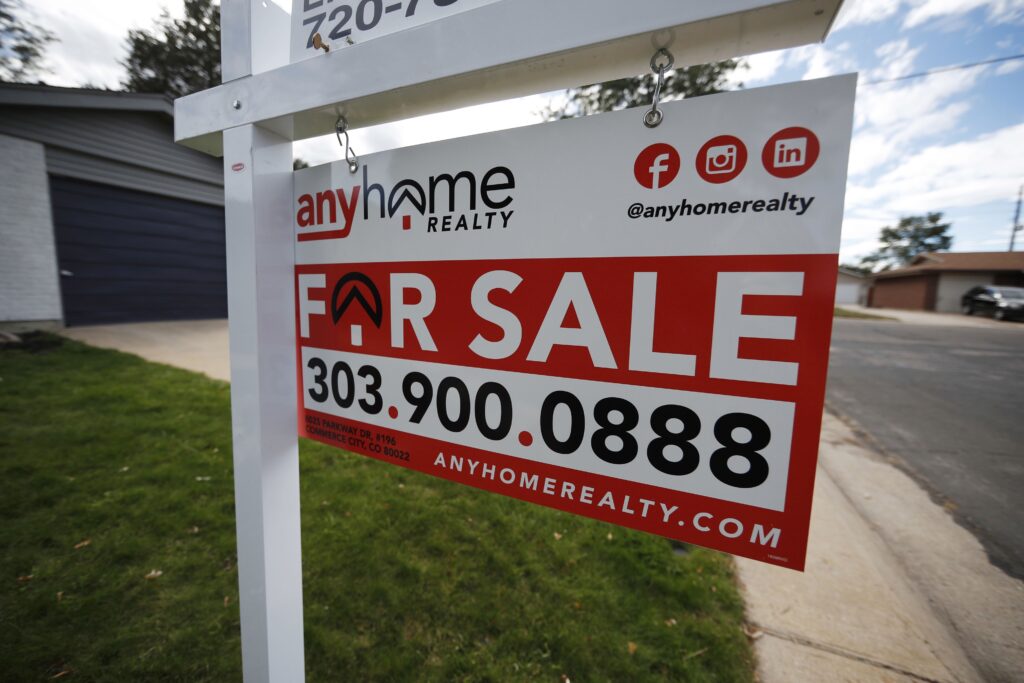
Big week ahead for major legislation to address housing affordability woes
Zach Halaschak, Washington Examiner
zach.halaschak.washington.examiner@gazetteedit.wpenginepowered.com
Updated 19 hours ago
The Senate is pushing ahead with a bipartisan bill to improve housing affordability, teeing up a critical week for housing on Capitol Hill and raising major questions about what provisions will be included. Senate Majority Leader John Thune (R-SD) filed cloture on legislation from the...

Macron goes nuclear with increases to French warhead arsenal
Timothy Nerozzi, Washington Examiner
timothy.nerozzi.washington.examiner@gazetteedit.wpenginepowered.com
Updated 19 hours ago
French President Emmanuel Macron is channeling the atomic spirit of his predecessor Charles de Gaulle with orders for the French military to “increase the number of nuclear warheads” in the nation’s arsenal. Macron announced the seismic shift in France’s defensive...

Who has been killed so far during US-Israel mission in Iran?
David Zimmermann and Keely Bastow, Washington Examiner
david.zimmermann.and.keely.bastow.washington.examiner@gazetteedit.wpenginepowered.com
Updated 19 hours ago
There have been numerous casualties on all sides since the joint U.S.-Israel strikes against Iran commenced over the weekend, with more lives expected to be lost as the campaign continues. The Islamic regime’s leadership is currently bearing the brunt of...
Colorado Senate swears in Adrienne Benavidez after district vacancy win
Marianne Goodland
marianne.goodland@coloradopolitics.com
Updated 19 hours ago
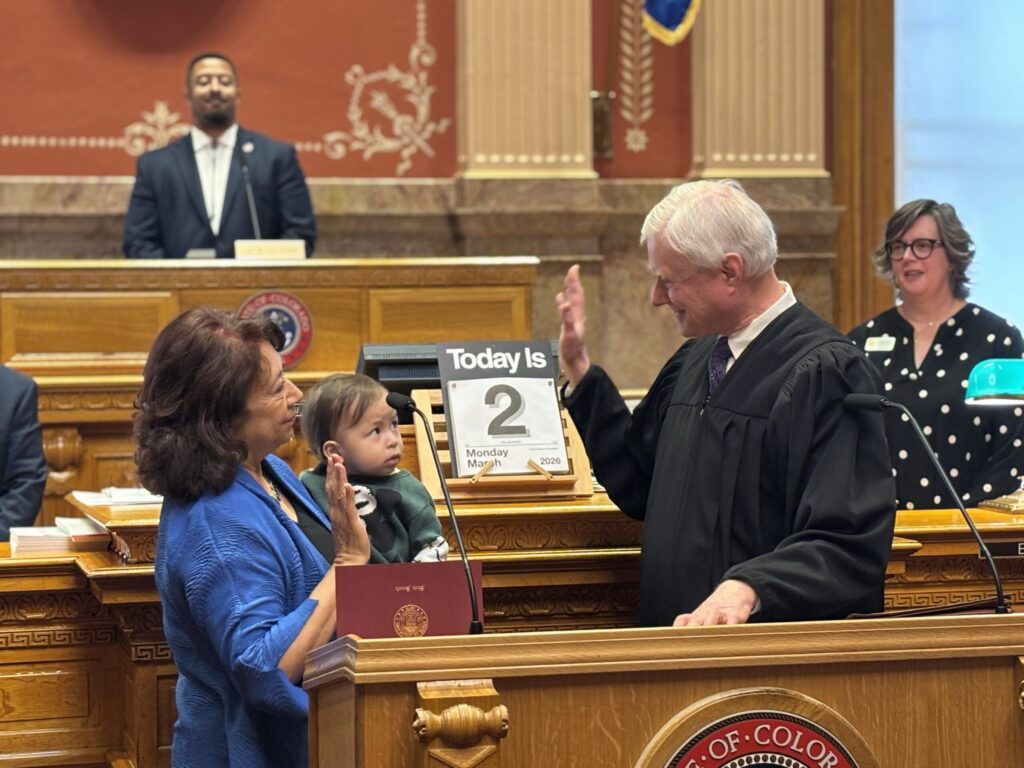
Sen. Adrienne Benavidez, a Democrat from Adams County, was sworn in Monday to the Colorado Senate, just four days after winning a vacancy election in District 21. She was sworn in by Colorado Court of Appeals Justice Lino S. Lipinsky...

10th Circuit judge creates vacancy, district court gets new chief judge | COURT CRAWL
Michael Karlik
michael.karlik@coloradopolitics.com
Updated 4 minutes ago
Welcome to Court Crawl, Colorado Politics’ roundup of news from the third branch of government. A longtime member of the Denver-based federal appeals court will give the president a vacancy to fill, plus Colorado’s federal trial court will see a...
Denver mayor says his commute time tripled following ‘road diet’ change
Mark Samuelson Special to The Denver Gazette
mark.samuelson@denvergazette.com
Updated 19 hours ago
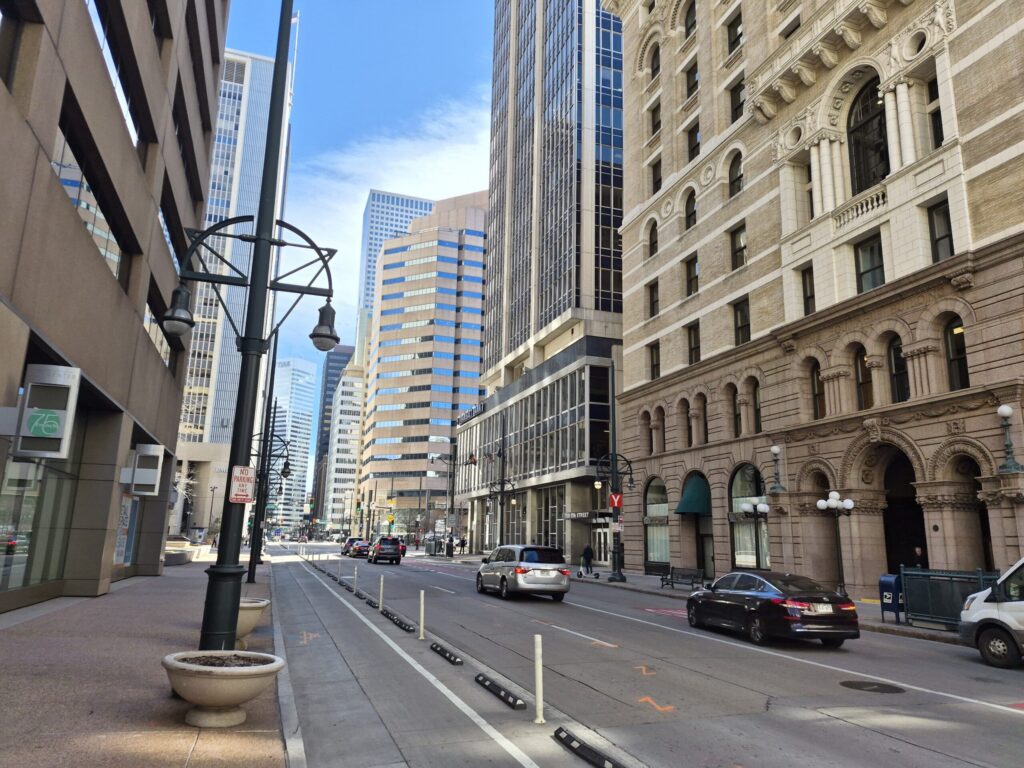
Mayor Mike Johnston is pushing back sharply against the claim by Denver councilmembers and bike activists that the city succumbed to lobbying pressure in revising a “road diet” plan for East Alameda Avenue, while noting that his own commute time...
PREV
PREVIOUS

Brighton, Adams County preserve historic family farmland
Adams County, Brighton and the Virginia-based Conservation Fund have collaborated to preserve 79 acres of farmland in Historic Splendid Valley. “This is a story of local community pride in a city with such rich agricultural heritage,” said Brighton Mayor Greg Mills. “This is a critical piece of the area’s identity and will now be preserved […]

Denver maintains ‘strong’ creditworthiness from all 3 major bond-rating agencies
Three global credit rating giants on Monday reaffirmed Denver’s AAA bond rating – the highest possible score among governments and businesses – despite the crushing economic blow of the coronavirus, which has set the city back $220 million in revenue this year and $190 million in 2021. Denver has maintained top ratings from Moody’s, Standard & Poor’s […]