

Environment Colorado making a weeklong pitch to protect federal land with the CORE Act
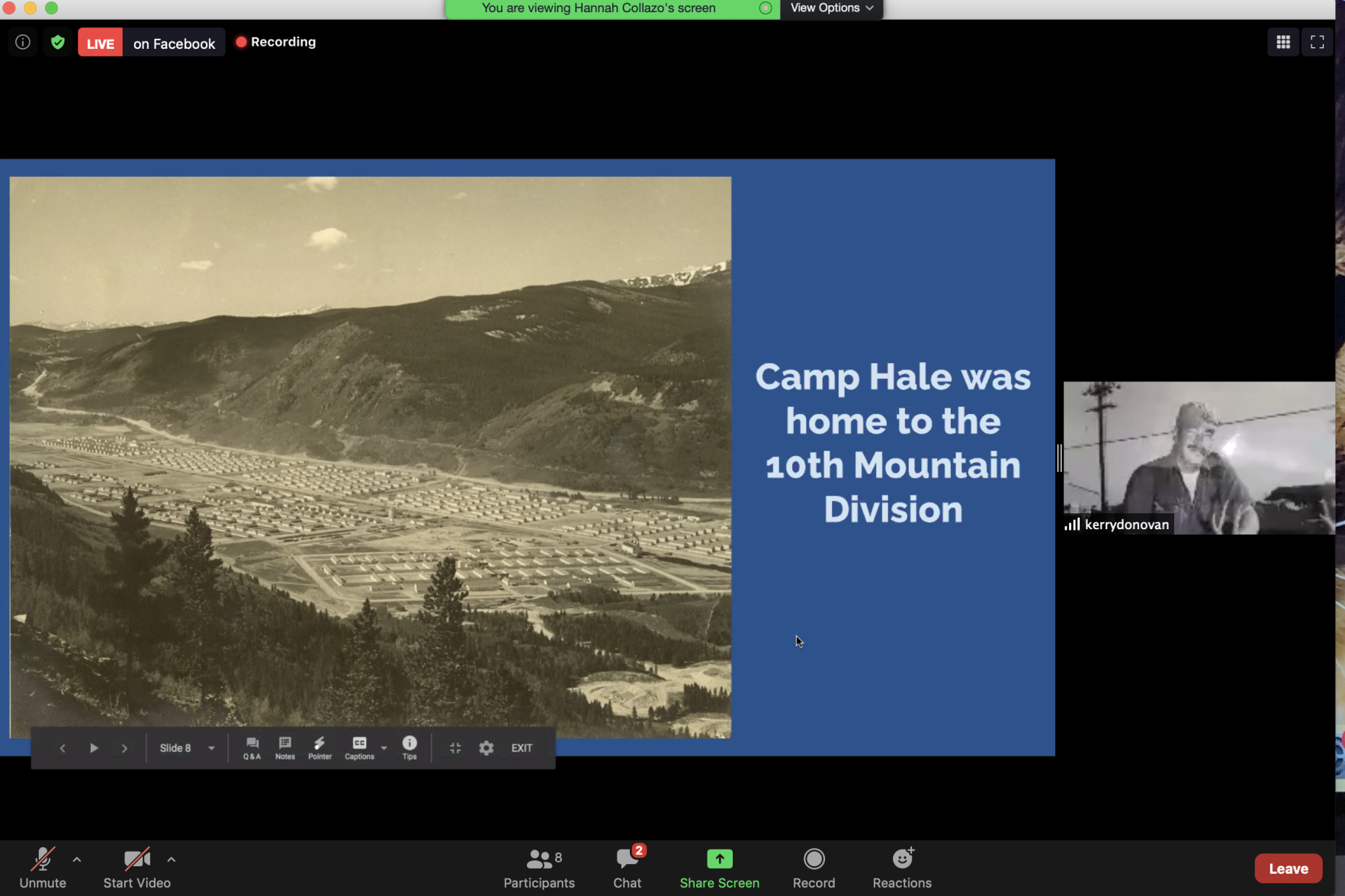
Environment Colorado on Monday kicked off a work week of lunchtime Zoom chats about legislation in the U.S. Senate to protect 400,000 acres through an array of new designations.
The conservation group is backing the Colorado Outdoor Recreation and Economy Act, known more by its acronym name, the CORE Act, sponsored by U.S. Rep. Joe Neguse, a Democrat from Lafayette, and Sen. Michael Bennet of Denver.
The act combined previous public lands legislation:
- The Continental Divide Recreation, Wilderness, and Camp Hale Legacy Act
- The San Juan Mountains Wilderness Act
- The Thompson Divide Withdrawal and Protection Act
- The Curecanti National Recreation Area Boundary Establishment Act.
The bill passed the Democratic-held House almost 11 months ago, but it’s stuck in the Senate Committee on Energy and Natural Resources, which is unlikely to change before the Nov. 3 election and an upper chamber consumed with a Supreme Court nomination from President Trump.
Though U.S. Sen. Cory Gardner, a Republican, sponsored the sweeping Great American Outdoors Act for public lands this year, he has not supported the CORE Act, characterizing it as a partisan proposal by Democrats, who lack the support of U.S. Rep. Scott Tipton, a Republican from Cortez.
“Since first coming to Congress, I learned how bipartisan support, compromise and broad local consensus have always been the driving forces behind public lands bills,” said Tipton when the bill passed the House last October. “In years past, the Colorado delegation has worked together in crafting public lands bills that balance the unique needs of our state including responsible energy resource development, increasing demand for outdoor recreation areas, and protecting forests and wildlife in delicate ecosystems.
“The CORE Act encompasses many of these aspects, but in its current form the bill has not adequately incorporated the necessary feedback from the Western Slope communities which the bill predominately impacts.”
Tipton lost his primary bid in June.
Monday’s chat focused on Camp Hale and areas along the Continental Divide with state Sen. Kerry Donovan, whose grandfather, Bill Mounsey, was a 10th Mountain Division soldier who was instead deployed to fight in the jungles of the Pacific Theater. An Army career soldier, he came back to Colorado after World War II and was a pioneering advocate for public lands, drawing maps for the government, and a pioneering businessman of Vail.
Bradley Noone trained at Camp Hale with the Army’s 10th Mountain Division before he was deployed to Afghanistan in 2006 and 2007, the latest in a long series of elite soldiers who specialized in high-altitude combat and service.
“It’s truly something special,” he said on Monday’s call. “I highly suggest you take a journey out there. It’s a giant valley that used to house over 20,000 military individuals and support personnel, as well as mules and dogs and donkeys and all sorts of military working animals.”
While Camp Hale base is a protected historic site, the CORE Act would designate about 28,000 surrounding acres the first national historic landscape.
“Anybody who has served in a military combat unit, an infantry unit, knows you spend very little time in those dwellings and buildings in the camp,” he said of the protected base. “You spend most of it out in the mountains.”
Camp Hale was first used by the Army to train soldiers to fight Germans in the Italian Alps, but it’s served the nation in a variety of ways, including the CIA training Tibetan rebels there in the 1960s, Noone said.
“There’s a worldwide connection to this landscape,” he said.
Of the protected areas, wilderness would constitute about 73,000 acres, while 80,000 acres could be recreation and conservation management areas.
Donovan passed the first state-sanctioned Public Lands Day in May each year as a member of the Colorado Senate in 2016. Friday is national Public Lands Day.
She talked Monday about looking out her window as seeing the White River National Forest in “its final blaze of glory for the year,” to be reminded about how much the state is defined by and depends on its wilderness.
“When I think about the wilderness, I automatically think of my grandfather,” she said. “There’s no way to sever those two in my heart and mind.”
Hannah Collazo, the state director for Environment Colorado and the advocacy organization’s Research and Policy Center, said the webinars that continue through Thursday are a virtual tour of the property included in the bill, given the COVID-19 limitations this fall.
“I tend to worry because we really need elected officials who are going to be protecting our public lands at all costs,” she said Monday, without steering directly into campaign season politics against Republicans who have supported the bill.
Collazo added, “It really boosts Colorado’s outdoor economy, which is paramount during this time.”
The rest of this week’s schedule (and links to join the discussion):
• Tuesday, noon-12:30 p.m. – Thompson Divide
• Wednesday, 12:30-1 p.m. – Curecanti National Recreation Area
• Thursday, 11:30-12 p.m. – San Juan Mountains
Other speakers this week are expected to include:
- John Clark, mayor of Ridgway
- Tim Patterson, owner of RIGS Fly Shop & Guide Service
- Craig Grother, volunteer director for BHA and a retired USFS Wildlife biologist
- Mark Pearson, executive director of San Juan Citizens Alliance
- Janelle Pacienci, Volunteer Leaders for Latino Outdoors
- Lexi Tuddenham, executive director of Sheep Mountain Alliance
- Shelley Silbert, executive director of Great Old Broads for Wilderness
- Advocates from Environment Colorado Research and Policy Center

Colorado legislators consider $500 million in general fund cuts amid $1.5 billion deficit
Marianne Goodland
marianne.goodland@coloradopolitics.com
Updated 3 hours ago
The legislature’s Joint Budget Committee is working through a list Wednesday of about 150 suggestions to cut as much as $1.5 billion in general fund dollars out of next year’s budget. The largest on the list prepared by JBC staff...
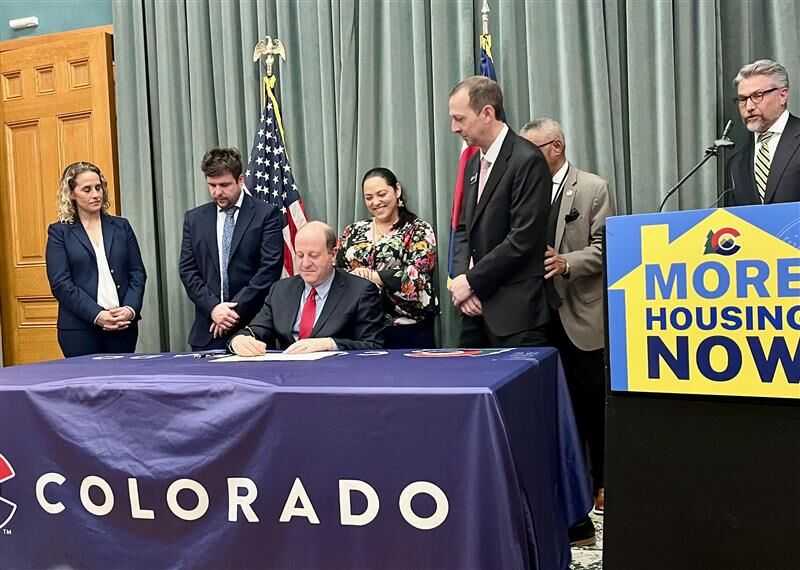
Colorado’s push for affordable housing continues as Gov. Polis signs HOME Act, workforce housing bill
Marissa Ventrelli
marissa.ventrelli@coloradopolitics.com
Updated 2 hours ago
Gov. Jared Polis held the first public bill signing of the 2026 legislative session on Wednesday, signing a pair of housing measures into law. The bills — House Bill 1001 and Senate Bill 001 — are part of Democrats’ affordable...
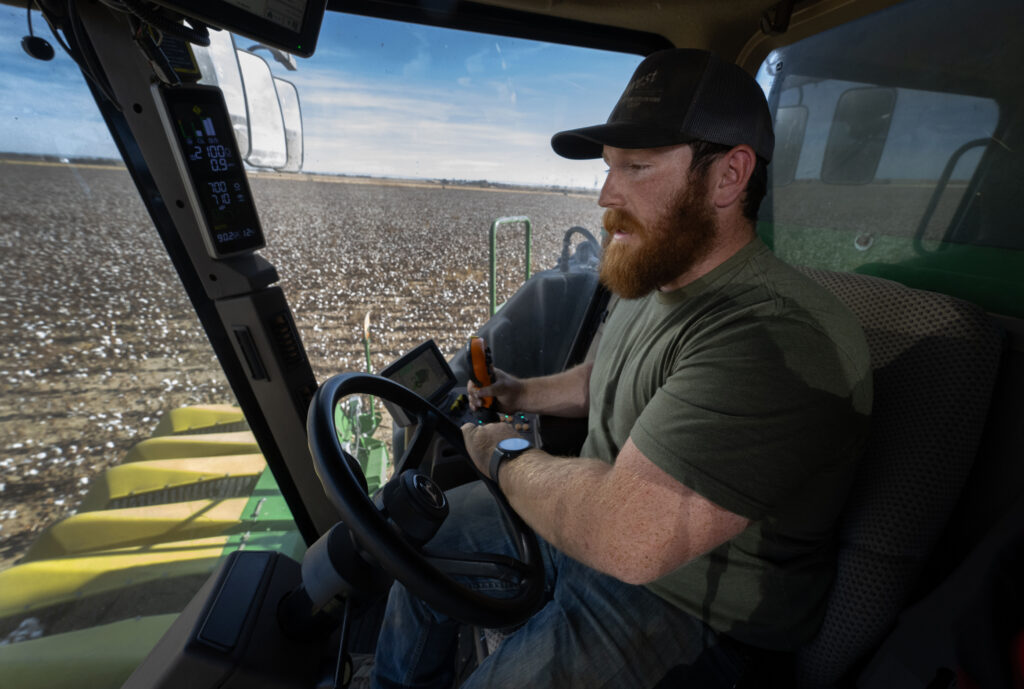
Colorado farmers begin spring planting season with soaring fertilizer costs and price-gouging fears
Marianne Goodland
marianne.goodland@coloradopolitics.com
Updated 4 hours ago
As Colorado farmers prepare their fields for spring planting, many are sounding the alarm over fertilizer prices that have surged far beyond what they say global supply disruptions can explain. With nitrogen costs up 30% in a matter of days,...
Federal judge refuses to authorize immediate appeal in World Cup trafficking lawsuit
Michael Karlik
michael.karlik@coloradopolitics.com
Updated 3 hours ago
A federal judge declined to authorize an immediate appeal last week of a prior decision allowing companies operating out of Colorado to be sued for allegedly participating in a human trafficking venture involving Filipino laborers who constructed facilities for the...

Colorado lawmakers approve $150,000 ibogaine study bill targeting PTSD and addiction
Marissa Ventrelli
marissa.ventrelli@coloradopolitics.com
Updated 3 hours ago
The Colorado House Health and Human Services Committee advanced a bill that would create a $150,000 research pilot program to study the safety and effectiveness of ibogaine, a psychoactive compound that claims to treat post-traumatic stress disorder, opioid addiction, and...
Federal judge considers second round of sanctions against ex-Colorado judicial discipline director
Michael Karlik
michael.karlik@coloradopolitics.com
Updated 6 hours ago
A federal judge ordered Colorado’s former judicial discipline director on Tuesday to explain why she should not sanction him a second time for filing documents for improper purposes, such as harassment or delay. U.S. District Court Senior Judge Kathryn H....
Colorado Democrats want large corporations to pay fee if employees are on Medicaid
Marianne Goodland
marianne.goodland@coloradopolitics.com
Updated 3 hours ago
Democrats are seeking to require Colorado’s largest corporations to pay thousands of dollars for each employee that relies on the Medicaid program for health insurance. They don’t have to pay the fee if they can demonstrate offering an “affordable health...

Colorado justices agree to review insurance question that has divided federal judges
Michael Karlik
michael.karlik@coloradopolitics.com
Updated 12 hours ago
The Colorado Supreme Court granted a federal judge’s request on Friday to address an issue that has produced conflicting answers in policyholders’ lawsuits against insurance companies over unpaid benefits. “Parties (and judges) regularly spend undue time and money fighting in...
Farmworker overtime bill advances after lengthy debate in Colorado Senate
Marianne Goodland
marianne.goodland@coloradopolitics.com
Updated 1 day ago
The Colorado Senate on Tuesday narrowly advanced a bill to raise the overtime threshold for agricultural workers, defeating more than a dozen amendments from its leading opponent aimed at rewriting the measure. As introduced, Senate Bill 121 would raise the threshold for...

Colorado Agriculture Day: A feast for the ears, eyes and stomachs
Marianne Goodland
marianne.goodland@coloradopolitics.com
Updated 1 day ago
Gov. Jared Polis, legislators and friends of agriculture gathered at the state Capitol on Tuesday to celebrate Colorado Agriculture Day. The annual recognition of the contributions of Colorado farmers, ranchers and agribusiness drew hundreds to the Capitol’s west foyer, where...
PREV
PREVIOUS

Q&A with Roland Halpern, advocate for animals
Brief bio: Director of legislative affairs, Colorado Voters for Animals, since 2017. CVA advocates for the humane treatment of animals and sponsors the Colorado Legislators for Animal Welfare Caucus, or CLAW, to better educate legislators and the public about animal issues. Regional campaign and outreach manager, Compassion and Choices, since 2002. Formerly vice president for […]

Former hospital employee's firing legitimate despite voicing concerns about fraud, judge rules
Even though a former hospital employee raised concerns about fraudulent or unethical billing practices, a federal judge ruled last week that her employer had other, non-retaliatory reasons to fire her. Robyn Bragg was the director of health information management at Southwest Health System, based in Cortez. Her duties involved coding the services that medical employees […]