

Report: Public discipline recommended against 3 judges in 2019, out of 221 complaints
Requests to investigate the performance of Colorado’s 352 judges and justices increased nearly 11% from 2018 to 2019, the highest number in at least five years. However, only 12 complaints — 5% of the total — were eligible for corrective action, and three resulted in public discipline against judges.
A report released in late April from the Colorado Commission on Judicial Discipline noted that the body, which dates to 1967 and handles discipline for judicial misconduct, received 221 requests to look into judges’ behavior last year. Two complaints were against Colorado Court of Appeals judges and one was against a Supreme Court justice.
“Most of the RFEs involved situations that were not within the jurisdiction of the Commission, e.g., issues about evidence, procedure, the law, law enforcement, or attorneys, rather than misconduct by the judge,” wrote the commission, referring to requests for evaluation. The commission does not examine judges’ decisions, as those are left to the appeals process.
The 10-member commission’s executive director dismissed 211 requests, and forwarded 12 others — including two from 2018 — to commission members. Half of the complaints did not meet the evidentiary threshold for misconduct, and the commission continued three matters into 2020.
Of the three remaining complaints, the commission found misconduct had occurred and took corrective action.
From a complaint arising in 2018, the commission recommended that Court of Appeals Judge Laurie A. Booras be removed from office after she allegedly communicated with a long-distance partner confidential details of a case she was overseeing. After a 2017 oral argument involving a fracking lawsuit, Booras emailed her paramour that “The little Mexican is going to write in favor of the Plaintiffs and it looks like I am dissenting in favor of the Oil and Gas Commission.”
The “little Mexican” was a reference to a fellow judge on the appellate panel, who was Latina.
“The Court was concerned that the judge’s use of a racially derogatory reference to a judicial colleague had adversely affected the Latina judge who would be writing the opinion as well as the morale and collegiality among other members of the court,” wrote the commission in its report. “In addition, there was some concern that a person learning of the pending opinion might have made investment decisions in the oil and gas industry based on nonpublic information.”
The state Supreme Court censured Booras. The judge subsequently resigned before the court could act on the commission’s recommendation for removal.
The Supreme Court also censured Mesa County District Judge Lance P. Timbreza for pleading guilty to driving while impaired. He received a 28-day suspension for violating the stipulation that judges should “avoid impropriety and the appearance of impropriety.”
Finally, the commission recommended a censure to the Supreme Court for an unnamed male judge who “promoted extensive drinking at a conference hotel among court staff” and subsequently engaged in consensual sex with an employee. The romantic relations lasted for a while after the conference, but after it ended, the working relationship deteriorated at the courthouse. The employee complained to the commission, which in turn found the judge had violated four rules related to behavior at the conference and improper use of court facilities.
The Supreme Court privately censured the judge and ordered him into behavioral counseling.
In two other cases in which the identity of the judge was shielded, the commission recommended that a critically ill judge should be retired due to their disability, and that the Supreme Court issue a public censure for another judge’s disclosure of confidential information.
Included in the corrective actions were two cases that were dismissed, but where the commission had concerns. In one instance, a judge overheard a father scolding his child at a restaurant, and intervened. The judge drew upon their experience with child welfare cases in the courtroom, pointing to such discipline’s adverse effect on a child as the reason for lecturing the father. The man, however, complained to the commission when he learned of the judge’s identity.
The commission encouraged a second judge to think of ways to resolve difficult cases more expeditiously after someone complained that the judge had a nine-month delay in issuing findings for a complex real estate case.
The cases addressed in 2019 were less than the 11 the commission handled in 2018, but more than the two from 2017. Over the past several years, the commission has disciplined judges for lacking diligent docket management, unprofessional demeanor and loss of temper, disrespectful remarks to the media or via email, and a pattern of errors in presiding over cases that implicated their competence, among other missteps.
“However, the Commission’s experience had been that many persons filing ‘complaints’ viewed the Commission’s authority more broadly than the jurisdiction granted to it under the Colorado Constitution,” the report noted, explaining that it could not review grievances against prosecutors, law enforcement or the Department of Corrections.
All proceedings of the commission are confidential until it files a recommendation with the Supreme Court. If commission members find probable cause to pursue a complaint, they appoint special counsel and conduct a trial. The commission may also order a physical or mental examination of a judge, recommending treatment instead of discipline.


Susan Blanco signals views on role of appellate courts in first opinion as Colorado justice
Michael Karlik
michael.karlik@coloradopolitics.com
Updated 2 hours ago
Justice Susan Blanco’s first solo opinion as a new member of the Colorado Supreme Court made clear her view of the guardrails that keep the state’s highest court tethered to the issues it is asked to decide. On Monday, the...

Hegseth features Fort Carson soldiers after returning from Middle East, gives warning on Iran war
Reuters
reuters@gazette.com
Updated 2 hours ago
Defense Secretary Pete Hegseth said on Tuesday the next few days in the war against Iran would be decisive and warned Tehran that the conflict would intensify if it did not make a deal. Hegseth also highlighted his trip to the Middle...

Denver Council narrowly approves deal with Axon
Deborah Grigsby
deborah.smith@denvergazette.com
Updated 6 hours ago
After weeks of delay, the Denver City Council narrowly approved a one-year $150,000 contract with Axon for 50 automated license plate-reading cameras and the necessary system hardware, replacing the city’s former vendor, Flock. The 7-6 vote came during Tuesday’s regular...
Colorado leaders weigh next steps after Supreme Court rejects state ban on ‘conversion therapy’
Marissa Ventrelli
marissa.ventrelli@coloradopolitics.com
Updated 19 hours ago
Colorado leaders said they are weighing next steps after the U.S. Supreme Court on Tuesday rejected the state’s ban on “conversion therapy” for children, as critics and supporters cheered or lambasted the ruling. The court’s near-unanimous decision called the Colorado...

Aurora homeless shelter opened too early, CEO says, as mold and plumbing issues emerge
Kyla Pearce
kyla.pearce@gazette.com
Updated 6 hours ago
Aurora’s largest homeless services project launched “way too early,” its CEO told city leaders Tuesday, saying the rushed opening left residents living amid mold, plumbing failures, and other issues inside the former hotel. During Tuesday’s Housing, Neighborhood Services and Redevelopment...
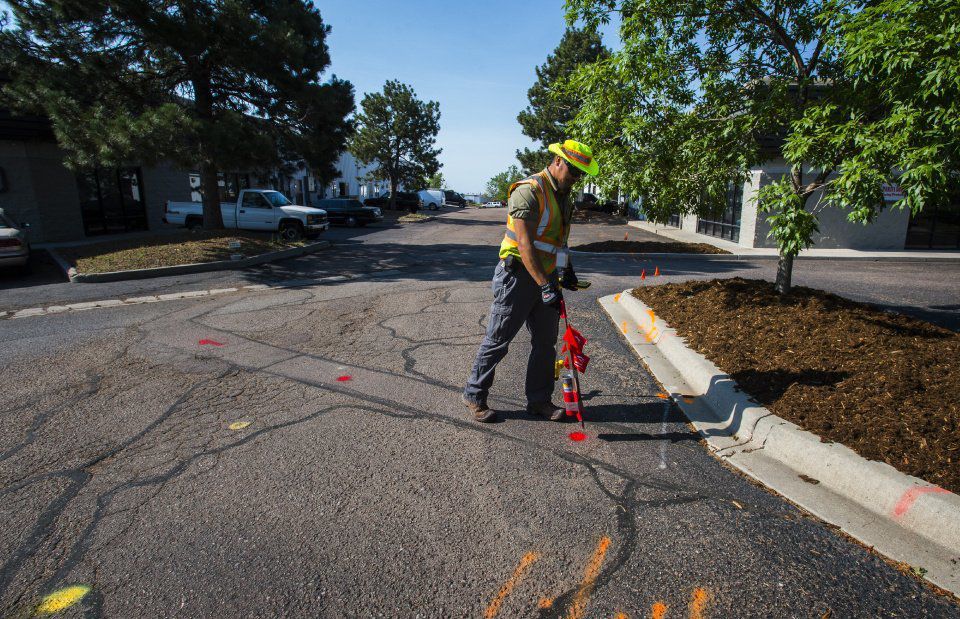
Gov. Polis declares April ‘dig safely month’ to mark 40th anniversary of Colorado 811
Scott Weiser
scott.weiser@gazette.com
Updated 6 hours ago
Gov. Jared Polis declared April 2026 as “Dig Safely Month” in Colorado, an annual observance that this year highlights the 40th anniversary of Colorado 811, the state’s One-Call Notification System. “Before everyone starts their warm weather projects around the house,...
Federal judge dismisses U.S. government lawsuit against Colorado, Denver’s ‘sanctuary’ laws
Michael Karlik
michael.karlik@coloradopolitics.com
Updated 19 hours ago
A federal judge dismissed the U.S. government’s lawsuit against Colorado and Denver on Tuesday, which alleged that various local policies impermissibly infringed on federal immigration enforcement. U.S. District Court Judge Gordon P. Gallagher followed the lead of judges in Illinois...
Denver proposes yearlong moratorium on new data centers
Deborah Grigsby
deborah.smith@denvergazette.com
Updated 22 hours ago
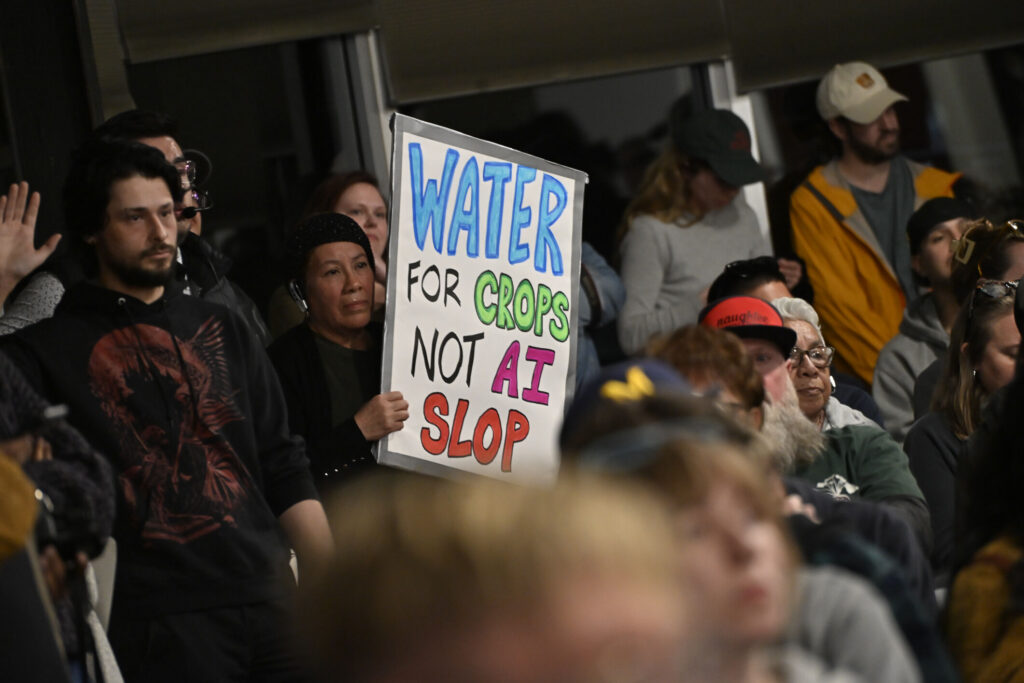
As Denver Water calls for a 20% reduction in water use during Stage 1 drought conditions, City Council members advanced a bill to rein in one of the largest water users — data centers — by proposing a yearlong moratorium...

Lakewood zoning canvasser accused of stealing opposition material
Sage Kelley
sage.kelley@denvergazette.com
Updated 6 hours ago
Controversies surrounding the Lakewood special election continue, with the latest including allegations of sign-stealing. The city’s special election regarding already approved zoning changes is occurring on April 7 and — along with more than a year of contention between opponents...
Federal judge finds DOJ adequately searched for, disclosed records related to Bidens
Michael Karlik
michael.karlik@coloradopolitics.com
Updated 23 hours ago
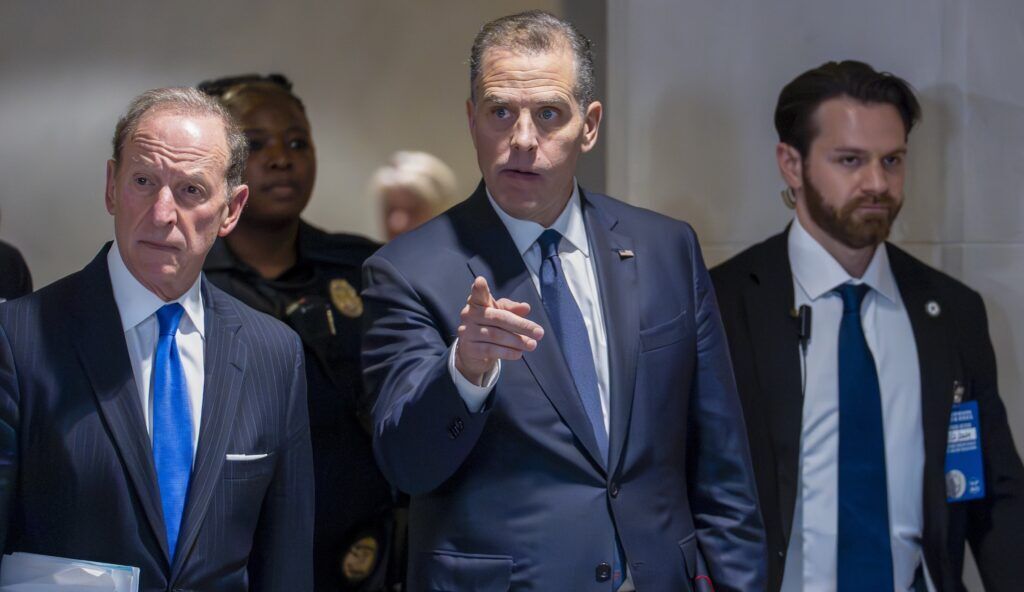
A federal judge determined on Friday that the U.S. Department of Justice adequately searched for and disclosed records to a Colorado attorney in response to his request for documents related to former President Joe Biden’s son and brother. In November...
PREV
PREVIOUS

Groups suing Interior ask acting land management head to step aside during nomination
The organizations suing the U.S. Department of the Interior on claims that it violated federal law through the continued reappointment of the acting head for federal lands are now saying he must step down to undergo a formal nomination before the U.S. Senate. The department on Monday responded with a denial that the official, William Perry […]
Colorado 'faithless electors' vow to keep up the fight after Supreme Court electoral college decision
The U.S. Supreme Court ruled unanimously Monday that states can require presidential electors to back their states’ popular vote winner in the Electoral College. The ruling, with just under four months before the 2020 election, leaves in place laws in 32 states and the District of Columbia that bind electors to vote for the popular-vote […]