

Greeley Tribune: With options in focus, time for city officials to act on affordable housing
If the past several months have taught us anything, it’s how truly complex the idea of affordable housing really is.
After hearing virtually every candidate in this past November’s municipal election list it as being among, if not atop, the list of the most important issues facing Greeley, much space has been dedicated – both here, as well as in the news pages of the Greeley Tribune – to defining affordable housing, the reasons for its lack of prevalence in Greeley and what can be done to alleviate its shortage.
Through the course of that effort, we’ve learned a lot. We’ve learned there are two definitions for the term – Affordable Housing and affordable housing – and one of them, Affordable Housing, has two definitions of its own.
We’ve learned the reason for the many definitions stem from the different perspectives through which affordable housing can be viewed: developers, buyers and regulators, just to name a few.
Most recently, we’ve learned the reason for Greeley’s struggles with affordable housing – very high demand for very little supply – as well as the options our public officials have for dealing with the issue. Essentially, city officials can move toward purchasing city-owned, low-cost housing the city would rent to residents, and they can consider offering incentives to developers to build more.
Fortunately, it seems all parties involved – both among city officials, as well as the members of this board – agree the first option is a non-starter. We don’t like that sort of public-private partnership, and we can’t think of any place with similar demographics to Greeley where that type of arrangement has been successful.
That option, it seems to us, just kicks the can down the road to a whole new set of problems officials would be faced with. Incentives for developers, on the other hand, offer more intriguing options.
Fees can be diminished or waived, tax credits can be granted and other developer-friendly financial efforts can be made in order to incentivize developers, who otherwise would have no reason to create lower-priced housing when market demand is driving prices up, to build affordable housing in Greeley.
It should be noted, as city manager Roy Otto cautioned, these incentives aren’t free. If developers aren’t paying certain fees, that impact could be felt elsewhere and result in the need for new revenue streams.
As such, we’re not advocating our city officials run hog wild when considering how to use incentives. But we do think they are the most valuable tools those officials have when trying to deal with this vital issue, and we urge our leaders to find a balanced approach with which to utilize them.
Additionally, when considering how to use these incentives, we would strongly encourage city officials to consider the role infill can play in affordable housing in Greeley. Continuing to expand into Weld County’s farmland has cultural impacts, as well as additional developmental costs associated with infrastructure.
Instead, we hope officials look for ways to upgrade substandard options where people currently have to live because of a lack of other options. That way, we can avoid the additional costs and impacts while improving what we already have here in Greeley.
In a larger sense, though – and something else we’ve learned on this journey through affordable housing – attacking the affordable housing issue in Greeley at the development level seems, to us, to be treating a symptom rather than the root cause. More affordable houses would be great, don’t misunderstand us, but unless Greeley residents are making more money, affordable housing will continue to be an albatross around our neck.
That’s the other area in which we feel city officials can help when it comes to affordable housing. Though the city’s current economic development effort has brought some great new businesses to the city, it hasn’t resulted in new industries and the higher wages they bring.
And that, in our opinion, is what it will take in order for us to truly avoid affordable housing issues moving forward. We need more opportunities for folks to make a wage that keeps up with an ever-inflating cost of living.
So as city officials weigh using incentives to attract developers for low-cost housing projects, we encourage them to do the same for potential new businesses and industries to hopefully bring opportunities for higher wages to Greeley.
For now, though, we’re happy to have an idea of what tools our city officials have to help combat the often-discussed affordable housing situation in Greeley.
Next, we respectfully request they use those tools and take action.


Denver Gazette: When American Indians root for Yuma
Denver Gazette Editorial Board
denver_gazette_editorial_board@coloradopolitics.com
Updated 9 months ago
Yuma Indians (Yuma Athletics) In a fit of orchestrated indignation last spring, our legislature banned the use of American Indian-themed mascots by public schools in Colorado. The Democratic majority at the Capitol deemed all such mascots offensive to American Indians....
Denver Gazette: Missed opportunities on statewide ballot
Denver Gazette Editorial Board
denver_gazette_editorial_board@coloradopolitics.com
Updated 9 months ago
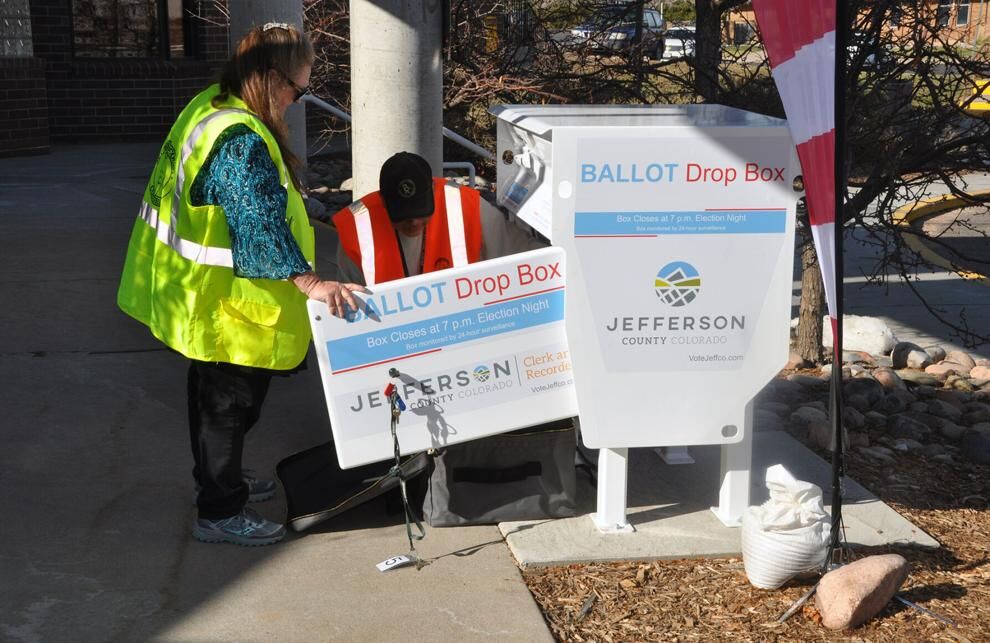
Jefferson County election workers collect ballots in this Gazette file photo.Ernest Luning / Colorado Politics To our disappointment, Coloradans turned down three sound policies proposed on the statewide ballot on Tuesday. Amendment 78, which needed 55% to become part of...

Colorado Springs Gazette: Parents take back their schools
Colorado Springs Gazette Editorial Board
colorado_springs_gazette_editorial_board@coloradopolitics.com
Updated 9 months ago
110421-cp-web-oped-csgeditorial-1 An uprising by parents in key school board races across the state Tuesday has opened the schoolhouse doors to fresh thinking, needed reforms – and new hope for many Colorado kids. Voters in those districts toppled an elected hierarchy...

Denver Gazette: Tuesday’s tale of two cities
Denver Gazette Editorial Board
denver_gazette_editorial_board@coloradopolitics.com
Updated 9 months ago
Syringes and drug paraphernalia found during the cleaning of an illegal homeless camp in Denver. Photo courtesy of the Denver Department of Public Health and Environment In Denver, it’s not a matter of if, but when. Right next door in Aurora,...
Colorado Springs Gazette: Locally and nationally, ‘it’s education, stupid!’
The Colorado Springs Gazette editorial board
the_colorado_springs_gazette_editorial_board@coloradopolitics.com
Updated 9 months ago
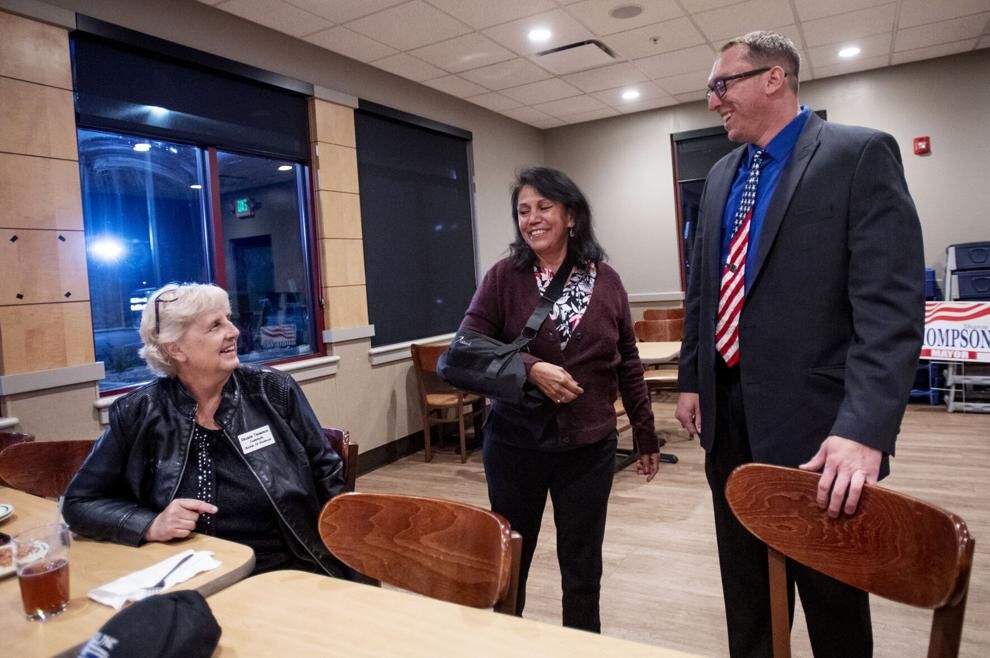
Fountain Councilwoman Sharon Thompson, left, is greeted by Cory Applegate, right, with Brenda Miller, who is running for election for an at-large seat of the Widefield School District 3 School Board, middle, during Thompson’s watch party at IHOP in Fountain...

Colorado Springs Gazette: Trust mama bears to improve public schools
The Colorado Springs Gazette editorial board
the_colorado_springs_gazette_editorial_board@coloradopolitics.com
Updated 9 months ago
Morsa Images Mama bears have awakened from their hibernation, and Big Education knows it. Union leaders, puppeteering public education for decades, are worried and they should be. Colorado in the past year has seen the sprouting and growth of grassroots,...

Denver Gazette: This Halloween, let’s let kids be kids
The Denver Gazette editorial board
the_denver_gazette_editorial_board@coloradopolitics.com
Updated 9 months ago
Harleigh Anderson rides a train during a Halloween celebration Thursday at Denver’s Union Station.The Associated Press In an era of American civilization chock full of difficulty, here’s some jubilant breaking news: It’s the best kind of weekend to be a...

Colorado Springs Gazette: Simon says put your masks back on
Colorado Springs Gazette Editorial Board
colorado_springs_gazette_editorial_board@coloradopolitics.com
Updated 9 months ago
Getty Images It should be a given: Local elected leaders – whether in Pueblo or Aurora or Colorado Springs or anyplace else – are in a better position to contain COVID than are officials who are higher up and farther...

Denver Gazette: Gazette report shows need for Amendment 78
Denver Gazette Editorial Board
denver_gazette_editorial_board@coloradopolitics.com
Updated 9 months ago
The state Capitol building is seen on the final day of the legislative session.The Denver Gazette The wind blew a branch on the roof and caused a leak. Dad obtained emergency aid to fix it. He easily patched the damage...

Denver Gazette: City schools need Jones, Villagrana, Fashaw
The Gazette editorial board
the_gazette_editorial_board@coloradopolitics.com
Updated 9 months ago
100521-cp-web-oped-dgeditorial The latest unsettling news about Denver Public Schools reaffirms the need for a change of elected leadership at Colorado’s largest and most prominent school district. It seems the Denver school board’s reigning embarrassment, first-term member Tay Anderson, has stepped...