

The Washington Examiner: Seeing the Russian threat more clearly
In her recent testimony before the House Intelligence Committee, former White House aide Fiona Hill was unkind and unfair toward those questioning her.
“Some of you on this committee appear to believe that Russia and its spy services didn’t attack the U.S. in 2016,” she said.
“I would ask that you please not promote politically driven falsehoods that so clearly advance Russian interests. I refuse to be part of an effort to legitimize an alternate narrative that the Ukrainian government is a U.S. adversary and that Ukraine, not Russia, attacked us in 2016.”
But no one on the committee has denied Russia’s interference in the 2016 election, many details of which were recounted in the Mueller report. Nor should they. But they should heed carefully what Bloomberg’s Eli Lake noticed – that Hill mildly rebuked Chairman Adam Schiff for his tacit partisan assumption that Russia had interfered in the 2016 election to make Donald Trump president.
“The Russians’ interests are, frankly, to delegitimize our entire presidency,” she said. “The goal of the Russians was really to put whoever became the president – by trying to tip their hands on one side of the scale – under a cloud. So, if Secretary [Clinton] had been elected as president, as indeed many expected in the run-up prior to the election in 2016, she too would have had major questions about her legitimacy.”
Hill was only saying what we have frequently pointed out in this space. Whatever modest effect the Russians’ activities had in Trump’s favor, their real aim was not so much to make him president, which seemed unlikely in any event, but to weaken and discredit the eventual winner, who they had to believe would be Hillary Clinton.
Moreover, as Hill and Schiff went on to discuss, the Russians pursued this strategy through the amplification of the most radical voices on both sides of the political spectrum, irrespective of the candidates. They took advantage of and helped create an illusion, often with help from the media, of the rise of neo-Nazism and black radicalism, for example. All the while, Russia’s “fake news” operations worked to foster cynicism and distrust toward American institutions – the media, the police, the political parties (witness the release of DNC emails), and the electoral process.
This is why it is damaging when Trump talks about millions of illegal votes being cast in California, and equally so when Democratic presidential candidates baselessly claim that Democrat Stacey Abrams was robbed of Georgia’s governorship or that Trump’s 2016 win was illegitimate.
So, yes, Russia interfered. So did Ukraine.
To be sure, the Ukrainian effort was not nearly as elaborate, nor was its agenda so overtly malign. But Ukraine’s interference still had serious effects, both on Trump’s campaign and on the United States’ relationship with Ukraine after he won.
Although many people seem intent on denying it now, it’s silly to do so. Ukraine’s role in the 2016 U.S. election was not overlooked at the time. The headline that Politico used to tell the story in early 2017 seemed downright alarming: “Ukrainian efforts to sabotage Trump backfire,” it blared.
“Ukrainian government officials tried to help Hillary Clinton and undermine Trump by publicly questioning his fitness for office,” wrote reporters Ken Vogel and David Stern. “They also disseminated documents implicating a top Trump aide in corruption and suggested they were investigating the matter, only to back away after the election. And they helped Clinton’s allies research damaging information on Trump and his advisers.”
If that sounds like foreign interference, it’s because that’s exactly what it is.
The U.S. needs to be concerned primarily with Russia, which, as Mitt Romney correctly observed, is America’s No. 1 geopolitical foe.


Denver Gazette: When American Indians root for Yuma
Denver Gazette Editorial Board
denver_gazette_editorial_board@coloradopolitics.com
Updated 7 months ago
Yuma Indians (Yuma Athletics) In a fit of orchestrated indignation last spring, our legislature banned the use of American Indian-themed mascots by public schools in Colorado. The Democratic majority at the Capitol deemed all such mascots offensive to American Indians....
Denver Gazette: Missed opportunities on statewide ballot
Denver Gazette Editorial Board
denver_gazette_editorial_board@coloradopolitics.com
Updated 7 months ago
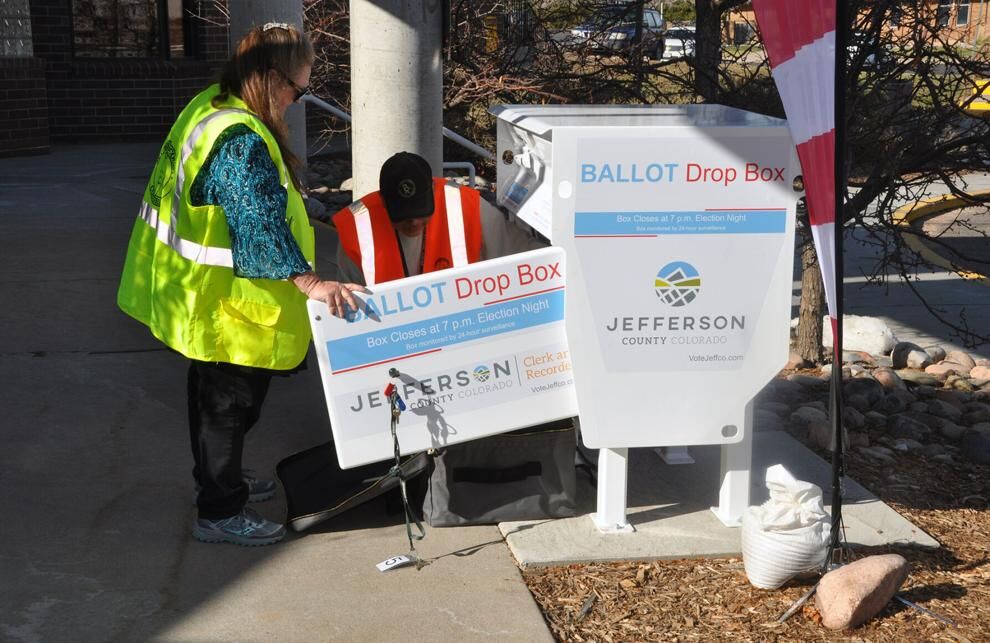
Jefferson County election workers collect ballots in this Gazette file photo.Ernest Luning / Colorado Politics To our disappointment, Coloradans turned down three sound policies proposed on the statewide ballot on Tuesday. Amendment 78, which needed 55% to become part of...

Colorado Springs Gazette: Parents take back their schools
Colorado Springs Gazette Editorial Board
colorado_springs_gazette_editorial_board@coloradopolitics.com
Updated 7 months ago
110421-cp-web-oped-csgeditorial-1 An uprising by parents in key school board races across the state Tuesday has opened the schoolhouse doors to fresh thinking, needed reforms – and new hope for many Colorado kids. Voters in those districts toppled an elected hierarchy...

Denver Gazette: Tuesday’s tale of two cities
Denver Gazette Editorial Board
denver_gazette_editorial_board@coloradopolitics.com
Updated 7 months ago
Syringes and drug paraphernalia found during the cleaning of an illegal homeless camp in Denver. Photo courtesy of the Denver Department of Public Health and Environment In Denver, it’s not a matter of if, but when. Right next door in Aurora,...
Colorado Springs Gazette: Locally and nationally, ‘it’s education, stupid!’
The Colorado Springs Gazette editorial board
the_colorado_springs_gazette_editorial_board@coloradopolitics.com
Updated 7 months ago
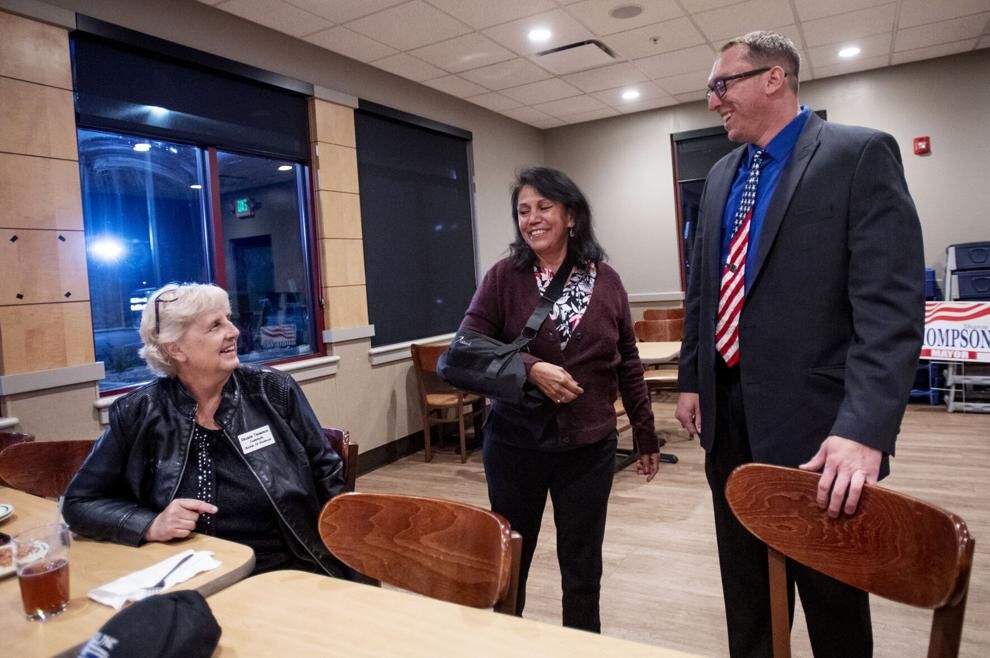
Fountain Councilwoman Sharon Thompson, left, is greeted by Cory Applegate, right, with Brenda Miller, who is running for election for an at-large seat of the Widefield School District 3 School Board, middle, during Thompson’s watch party at IHOP in Fountain...

Colorado Springs Gazette: Trust mama bears to improve public schools
The Colorado Springs Gazette editorial board
the_colorado_springs_gazette_editorial_board@coloradopolitics.com
Updated 7 months ago
Morsa Images Mama bears have awakened from their hibernation, and Big Education knows it. Union leaders, puppeteering public education for decades, are worried and they should be. Colorado in the past year has seen the sprouting and growth of grassroots,...

Denver Gazette: This Halloween, let’s let kids be kids
The Denver Gazette editorial board
the_denver_gazette_editorial_board@coloradopolitics.com
Updated 7 months ago
Harleigh Anderson rides a train during a Halloween celebration Thursday at Denver’s Union Station.The Associated Press In an era of American civilization chock full of difficulty, here’s some jubilant breaking news: It’s the best kind of weekend to be a...
Colorado Springs Gazette: Simon says put your masks back on
Colorado Springs Gazette Editorial Board
colorado_springs_gazette_editorial_board@coloradopolitics.com
Updated 7 months ago
Getty Images It should be a given: Local elected leaders – whether in Pueblo or Aurora or Colorado Springs or anyplace else – are in a better position to contain COVID than are officials who are higher up and farther...
Denver Gazette: Gazette report shows need for Amendment 78
Denver Gazette Editorial Board
denver_gazette_editorial_board@coloradopolitics.com
Updated 7 months ago
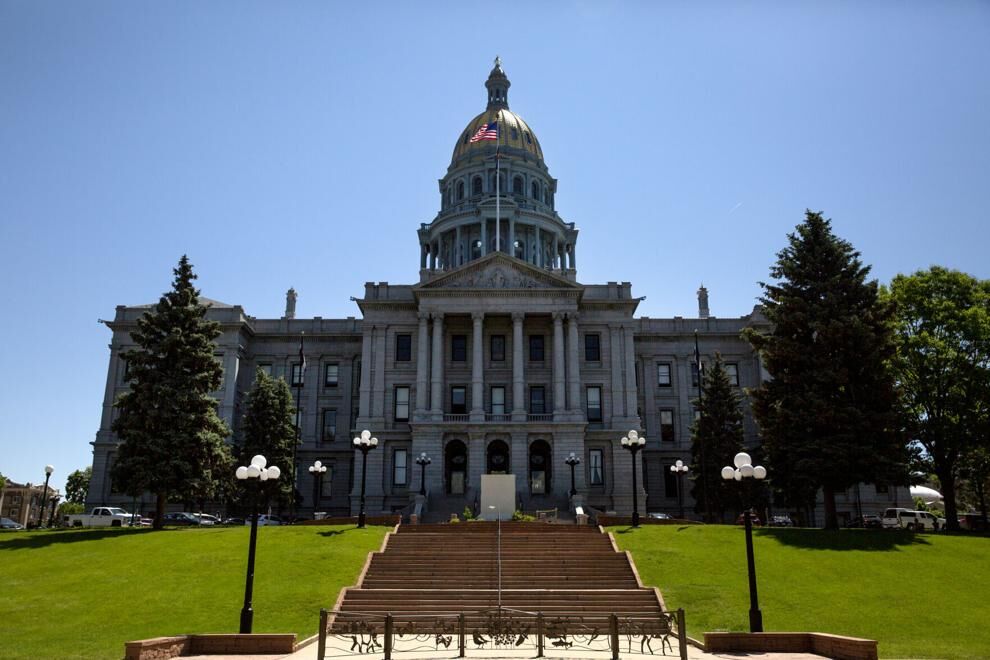
The state Capitol building is seen on the final day of the legislative session.The Denver Gazette The wind blew a branch on the roof and caused a leak. Dad obtained emergency aid to fix it. He easily patched the damage...

Denver Gazette: City schools need Jones, Villagrana, Fashaw
The Gazette editorial board
the_gazette_editorial_board@coloradopolitics.com
Updated 7 months ago
100521-cp-web-oped-dgeditorial The latest unsettling news about Denver Public Schools reaffirms the need for a change of elected leadership at Colorado’s largest and most prominent school district. It seems the Denver school board’s reigning embarrassment, first-term member Tay Anderson, has stepped...