

NOONAN | It’s time to protect Coloradans from the ill effects of drilling
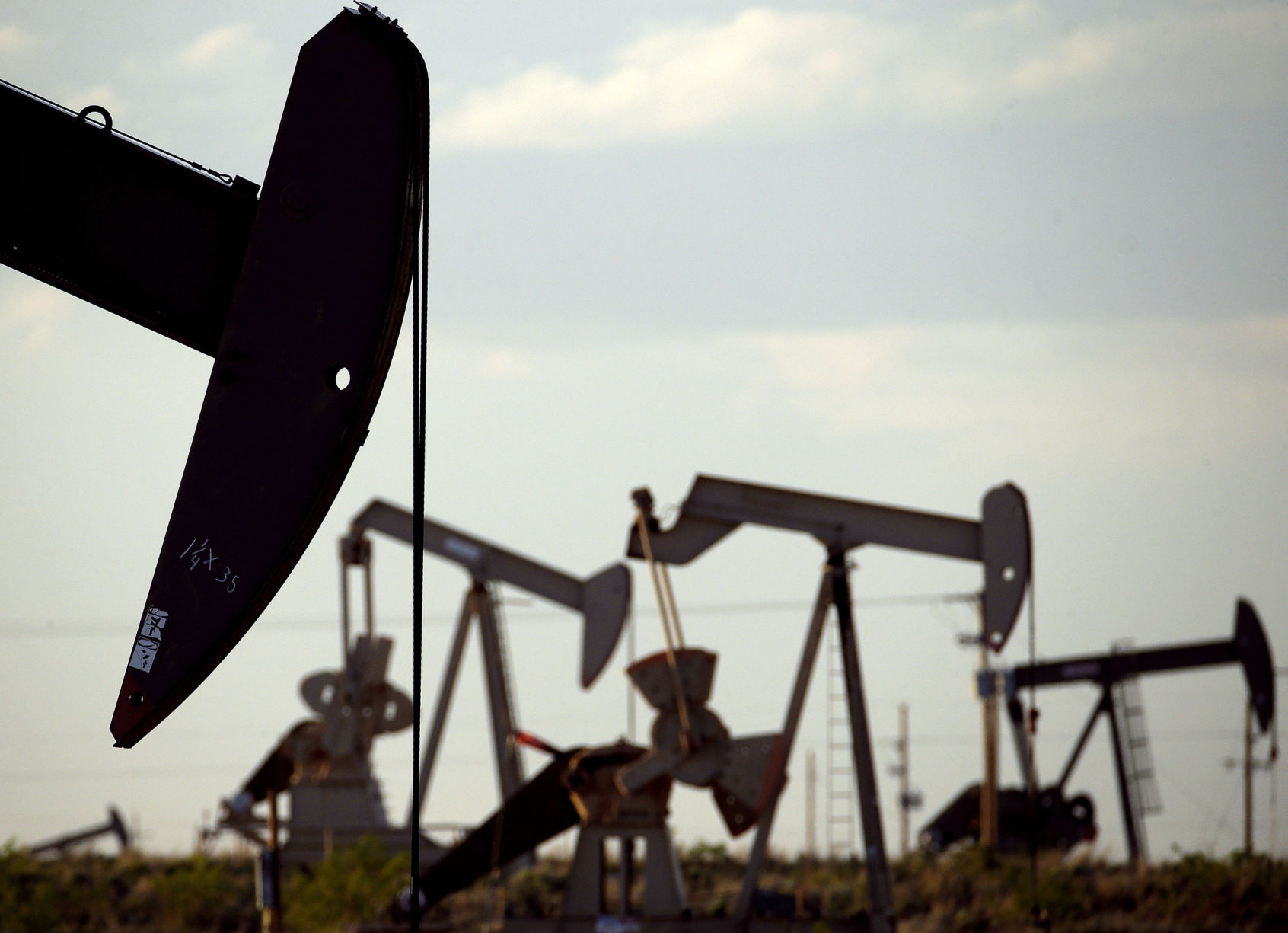
“Hypothetical people of all age groups” and “hypothetical facilities” took center stage in the final report to Colorado from ICF International, an environmental consulting firm, on human health risk and air quality related to oil and gas development. Citizens of Erie must feel eerie with that nomenclature, as it’s their health that’s at stake, as well as everyone else living along the Northern Front Range (NFR) and Garfield County.
The report, delivered to state agencies, focuses on the 500-to-2000-foot-range air samples taken by Colorado State University at oil and gas drilling and production sites between 2013 and 2016. The air sampling heights were from 6 feet to 18 feet.
The executive summary, written in excruciating prose, seems to suggest that danger from benzene and other volatile organic chemicals (VOCs) is low. “At the 500-foot distance, for a small number of chemicals… the highest estimated acute exposures exceeded guideline levels at the most-exposed (downwind) locations, in isolated flowback activities at smaller well pads.” The report then summarizes: “…these estimated exceedences of acute health guidelines is highly conservative, in that these highest-estimated exposures occur when the highest chemical emissions are highly concentrated by ‘worst-case’ meteorological conditions onto a hypothetical person who is outdoors or in a highly ventilated area, which might happen only rarely (pp.xx-xxi).”
These soothing words are later contradicted by specific data related to Hazard Quotients that describe levels of acute, non-cancer benzene exposure above the safe base of 1 on a log10 scale. Front Range measures show the Hazard Quotient at 30 above 1 within 300 feet of a “hypothetical well facility” and at 7 above 1 at 2000 feet (p.128).
Even worse, the percent of days of exposure to Hazard Quotients above 1 in the Front Range is 100 percent from 0 to 850 feet of drilling and declines only to 80 percent at 2000 feet (p.130).
The problem for oil and gas drillers is that benzene causes acute health damage as well as long-term cancer risk. People who breathe in high levels of benzene can experience nose-bleeds, nausea, shortness of breath, tremors, headaches, dizziness, rapid or irregular heartbeat, and confusion, according to the US Centers for Disease Control (CDC).
The Colorado Oil and Gas Conservation Commission (COGCC) has received over 3,000 complaints related to these symptoms since 2015.
The air measurements used by ICF probably underreport the amount of benzene contaminant due to the height of the cannisters capturing the samples. According to the CDC, benzene evaporates quickly into air, but its vapor is heavier than air. ICF based its results on air samples above 6 feet. The study didn’t capture air at the under-six-6 height of kids’ noses where benzene will collect. Wells at 500 feet from schools exist; the current setback is 1,500 feet. This proximity may explain why so many health complaints are related to children.
The oil and gas industry used the report as a basis for dismissing health consequences from fracking. Dan Haley of the Colorado Oil and Gas Association says, “there are no long-term health impacts” from oil and gas development. He doesn’t address acute benzene exposure. His industry defeated 11 bills since 2016 related to managing potential health risks of fracking. The industry defeated two bills, HB17-1256 and HB18-1352, related to drilling close to schools and Proposition 112, at $35 million, to increase drilling setbacks from residences.
Jeff Robbins, COGCC director, will look harder at drilling permits within 2,000 feet of homes, increasing the footage from his current 1,500 feet. He apparently believes that hazardous benzene dispersion stops, miraculously, at that 2,000-foot point. That doesn’t comport with ICF’s modeling.
Industry wants better data and more science. It defeated SB16-129 on Neutral Oversight of Oil and Gas, that would have promoted more data-based investigation. On-going monitoring of sites is necessary, but the industry complains that it’s expensive. It costs millions to drill wells. It’s time to incorporate independent VOC measurement into drilling prices, so the industry carries the measurement expense but the state conducts the research. It’s time for the state to immediately implement SB19-181, the Act to protect public health and the environment for the people of Colorado.
Paula Noonan owns Colorado Capitol Watch, the state’s premier legislature tracking platform.


Who has the power to declare war? | Cronin and Loevy
Tom Cronin Bob Loevy
tom-cronin-bob-loevy@coloradopolitics.com
Updated 4 hours ago
Our constitutional framers boldly and ambitiously granted Congress the power to declare war yet granted the executive the responsibility, after war is declared, to supervise war as the commander-in-chief. That worked well until the Cold War began. The U.S. has been...

The delicate, ever-changing dance between politics and religion | SONDERMANN
By Eric Sondermann
by-eric-sondermann@coloradopolitics.com
Updated 7 hours ago
The dance, really a marathon that brings to mind the classic movie “They Shoot Horses, Don’t They?”, has been going on as long as there have been governments and organized religion. That is to say that this delicate tango has...
Roasts, get yer roasts, here: Capitol M | Week of March 14, 2026
Marianne Goodland
marianne.goodland@coloradopolitics.com
Updated 3 days ago
The lighter side of the Capitol, especially in the past week Apparently, the pending and eventual switch to daylight stupid time has put people in some pretty funny moods. And thank goodness! On March 4, the Senate approved the appointments...

Colorado’s election audits are built on math, not politics | IN RESPONSE
Colorado Politics
colorado-politics@coloradopolitics.com
Updated 2 days ago
By Amanda Gonzalez You don’t build a secure election system overnight. You build it over years — layer by layer — reinforcing it with stronger safeguards, better technology and more transparency. In Colorado, one of those safeguards is a little-known...
The backstory behind the school-funding TABOR ballot initiative | Paula Noonan
Paula Noonan
paula-noonan@coloradopolitics.com
Updated 3 days ago
Last session, the General Assembly took in a report on K-12 public school funding. The legislature ordered the report because an idea circulated Colorado was among the bottom five states in dollars allocated per student even though it is one...
Senate Bill 22 critical to keeping energy costs affordable, power reliable | PODIUM
Colorado Politics
colorado-politics@coloradopolitics.com
Updated 2 days ago
By Brian Wortinger I love Colorado’s outdoors. I’m an avid skier and hiker and my happiest days are spent deep in the mountains with no one around for miles. I want to protect that environment as much as anyone along...

Swipe-fee ban a giveaway to big boxes, mega-chains | IN RESPONSE
Colorado Politics
colorado-politics@coloradopolitics.com
Updated 4 days ago
By Jenifer Waller Four Colorado lawmakers recently published an op-ed in Colorado Politics calling for legislation to prohibit interchange fees on the sales tax portion of credit and debit card transactions (“Why Colorado should stop charging swipe fees on sales...

Leveling the playing field —why Colorado must fight fire with fire on redistricting | OPINION
Colorado Politics
colorado-politics@coloradopolitics.com
Updated 3 days ago
By Curtis Hubbard So Dick Wadhams suddenly cares about mid-decade redistricting — hyperventilating about efforts to “hijack Colorado’s congressional map” and calling those of us involved with the effort “amazingly naive.” Where was his outrage last year when President Donald...
You get what you pay for in your state reps | Hal Bidlack
Hal Bidlack
hal-bidlack@coloradopolitics.com
Updated 5 days ago
My regular readers will know of my affection for the Out West Roundup, a Colorado Politics feature that lets us keep up to date with the goings on out here in the western U.S., and draws attention to stories that...
A warrant should mean something — expedite carrying them out | OPINION
Colorado Politics
colorado-politics@coloradopolitics.com
Updated 5 days ago
By Aaron Ping My name is Aaron Ping. I am a father from Washington state, and I am writing because my 16-year-old son, Avery, cannot. Avery died on Dec. 19, 2024. The drugs that killed him were ordered through Snapchat....
PREV
PREVIOUS

SONDERMANN | Gardner no longer can walk the tightrope for Trump
Eric SondermannLarry Laszlo Dear Senator: Oh, heck, it’s informal Colorado and we’ve known each other for years, so let’s just make it “Dear Cory.” This is a message about normality. Or the lack thereof. And about the choice in front of you. I’m confident you will agree that these are not normal times and that […]

SLOAN | Polis admin's public option: how NOT to expand health coverage
Kelly Sloan The distinction seems obvious, but is so infrequently made that it is necessary every now and again to state it – that is, between “heath care” and “health insurance.” Proponents of bulldozer government reforms get away with fixing the odds by appealing to the general public empathy towards ensuring everyone receives treatment when […]