

The Colorado Springs Gazette: Politicians mismanage funds; don’t reward them with more
The political class can never get enough of the private sector’s money. That is why politicians are trying to con voters into passing Proposition CC in November.
Do not give politicians a blank check. They have proven unable to manage what they already have.
Colorado is not a low-tax state where politicians scrape to fund basic services. Our state did not make Kiplinger’s top-10 list of the most tax-friendly states this year, released last week, despite having a one-of-a-kind Taxpayer’s Bill of Rights in the state constitution. Weakening this protection, as Proposition CC would do, will only make things worse.
By calling taxes “fees,” and because of Colorado’s booming economy, the state government finds itself awash in surplus revenue. It has so much excess income, estimates anticipate constitutionally mandated returns of nearly $400 million for fiscal year 2020 and 2021.
TABOR requires the state government to return surplus revenue that exceeds inflation plus population growth. That law, enacted by voters, wisely recognizes the rights of individuals to keep their earnings, while ensuring the government can provide essential services.
Despite substantial new revenues, politicians refuse to live within their means. The overreaching, anything-goes legislative session of 2019 spent so much on want-to-have social programs that the state’s budget must absorb up to $100 million in new expenses next year.
Meanwhile, politicians continue to underfund transportation and education in the hope taxpayers will give in by approving a tax increase or demolishing TABOR.
Even Democrats are wringing their hands over the budget situation in Colorado.
“I’m very concerned,” said Sen. Rachel Zenzinger, as quoted by reporter John Frank in a Denver publication.
She would like to come off as a voice of reason, but Zenzinger chairs the Senate Appropriations Committee and helps write the budget as a member of the Joint Budget Committee. She voted for the budget and for nearly all the programs that are overstressing the government’s unprecedented revenues.
“I was concerned last year,” Zenzinger said. “And the fact that the estimates (for required spending) are coming in so much higher, just increases my concern.”
More than almost anyone else in the state, Zenzinger is responsible for the reckless spending spree that stretched the budget too thin. Now, like a drunk with a hangover, she is waking up in a mess of her creation.
The incoming Democratic chair of the Joint Budget Committee expressed similar anxiety about the Democrats’ spending binge.
“There were a lot of bills passed last (session) that have continued spending … and some of those were very large,” said Rep. Daneya Esgar, D-Pueblo. “I don’t think we completely all truly understand what we have obligated ourselves to.”
It sounds like a cry of “what have we done?” The answer is clear. State politicians neglected to manage money responsibly. They overspent, despite the luxury of riches.
In addition to squandering bull-market surpluses, legislators in 2019 chose to jeopardize one of the state’s largest producers of tax revenues: the oil and gas industry.
In passing Senate Bill 181, legislative Democrats authorized local governments to overregulate and even ban oil and gas operations within jurisdictions. As local jurisdictions roll out new regulations, expect energy revenues to sink and the state’s cry of poverty to grow even louder.
In this environment, the political class has the audacity to ask more from taxpayers.
Proposition CC would gut TABOR forever, giving politicians the authority to keep all revenues exceeding a commonsense formula – established entirely by voters – that keeps government spending within reasonable boundaries.


Denver Gazette: When American Indians root for Yuma
Denver Gazette Editorial Board
denver_gazette_editorial_board@coloradopolitics.com
Updated 12 months ago
Yuma Indians (Yuma Athletics) In a fit of orchestrated indignation last spring, our legislature banned the use of American Indian-themed mascots by public schools in Colorado. The Democratic majority at the Capitol deemed all such mascots offensive to American Indians....
Denver Gazette: Missed opportunities on statewide ballot
Denver Gazette Editorial Board
denver_gazette_editorial_board@coloradopolitics.com
Updated 12 months ago
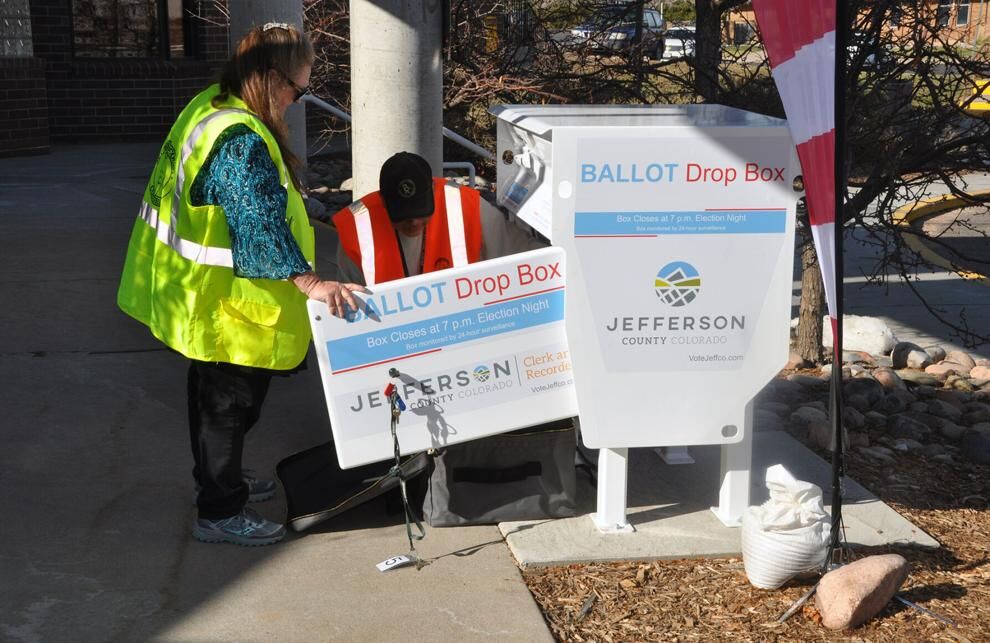
Jefferson County election workers collect ballots in this Gazette file photo.Ernest Luning / Colorado Politics To our disappointment, Coloradans turned down three sound policies proposed on the statewide ballot on Tuesday. Amendment 78, which needed 55% to become part of...

Colorado Springs Gazette: Parents take back their schools
Colorado Springs Gazette Editorial Board
colorado_springs_gazette_editorial_board@coloradopolitics.com
Updated 12 months ago
110421-cp-web-oped-csgeditorial-1 An uprising by parents in key school board races across the state Tuesday has opened the schoolhouse doors to fresh thinking, needed reforms – and new hope for many Colorado kids. Voters in those districts toppled an elected hierarchy...

Denver Gazette: Tuesday’s tale of two cities
Denver Gazette Editorial Board
denver_gazette_editorial_board@coloradopolitics.com
Updated 12 months ago
Syringes and drug paraphernalia found during the cleaning of an illegal homeless camp in Denver. Photo courtesy of the Denver Department of Public Health and Environment In Denver, it’s not a matter of if, but when. Right next door in Aurora,...
Colorado Springs Gazette: Locally and nationally, ‘it’s education, stupid!’
The Colorado Springs Gazette editorial board
the_colorado_springs_gazette_editorial_board@coloradopolitics.com
Updated 12 months ago
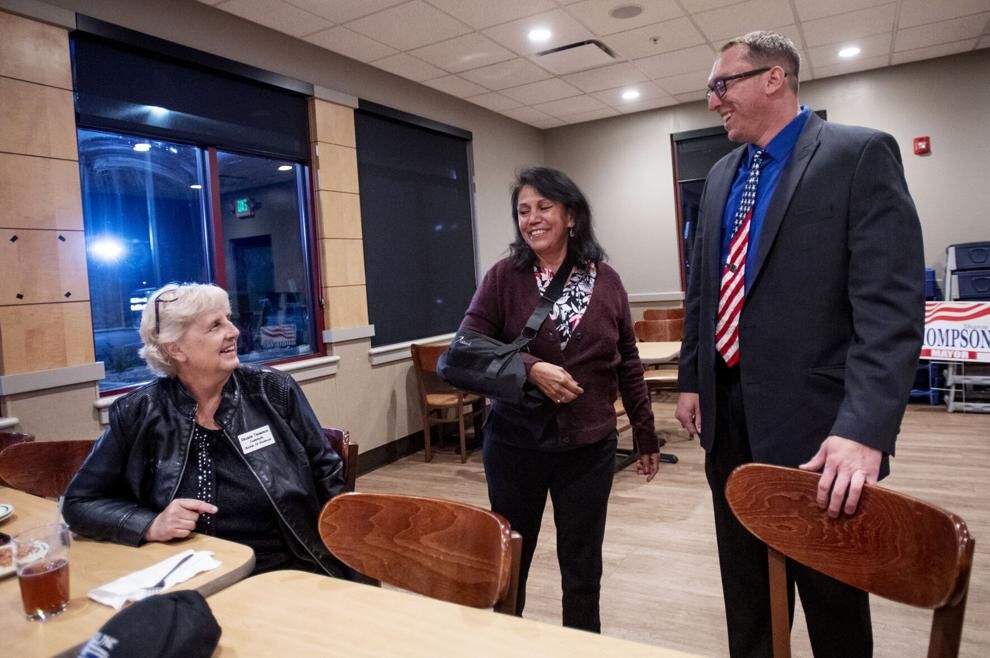
Fountain Councilwoman Sharon Thompson, left, is greeted by Cory Applegate, right, with Brenda Miller, who is running for election for an at-large seat of the Widefield School District 3 School Board, middle, during Thompson’s watch party at IHOP in Fountain...

Colorado Springs Gazette: Trust mama bears to improve public schools
The Colorado Springs Gazette editorial board
the_colorado_springs_gazette_editorial_board@coloradopolitics.com
Updated 12 months ago
Morsa Images Mama bears have awakened from their hibernation, and Big Education knows it. Union leaders, puppeteering public education for decades, are worried and they should be. Colorado in the past year has seen the sprouting and growth of grassroots,...

Denver Gazette: This Halloween, let’s let kids be kids
The Denver Gazette editorial board
the_denver_gazette_editorial_board@coloradopolitics.com
Updated 12 months ago
Harleigh Anderson rides a train during a Halloween celebration Thursday at Denver’s Union Station.The Associated Press In an era of American civilization chock full of difficulty, here’s some jubilant breaking news: It’s the best kind of weekend to be a...

Colorado Springs Gazette: Simon says put your masks back on
Colorado Springs Gazette Editorial Board
colorado_springs_gazette_editorial_board@coloradopolitics.com
Updated 12 months ago
Getty Images It should be a given: Local elected leaders – whether in Pueblo or Aurora or Colorado Springs or anyplace else – are in a better position to contain COVID than are officials who are higher up and farther...
Denver Gazette: Gazette report shows need for Amendment 78
Denver Gazette Editorial Board
denver_gazette_editorial_board@coloradopolitics.com
Updated 12 months ago
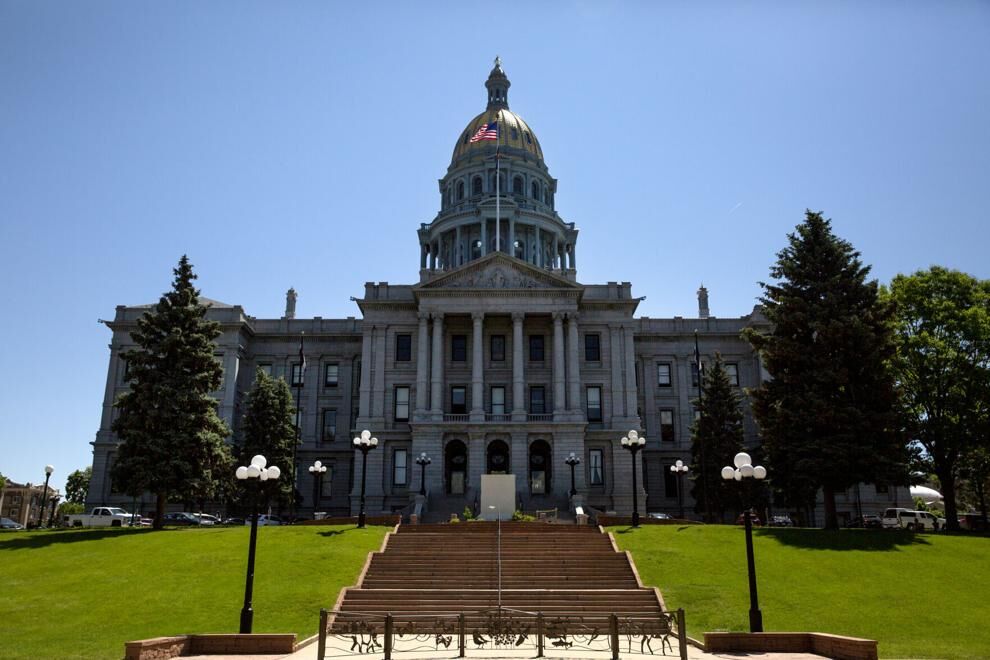
The state Capitol building is seen on the final day of the legislative session.The Denver Gazette The wind blew a branch on the roof and caused a leak. Dad obtained emergency aid to fix it. He easily patched the damage...
Denver Gazette: City schools need Jones, Villagrana, Fashaw
The Gazette editorial board
the_gazette_editorial_board@coloradopolitics.com
Updated 12 months ago
100521-cp-web-oped-dgeditorial The latest unsettling news about Denver Public Schools reaffirms the need for a change of elected leadership at Colorado’s largest and most prominent school district. It seems the Denver school board’s reigning embarrassment, first-term member Tay Anderson, has stepped...