

The Washington Examiner: Enforce the borders but don’t reduce refugees
Remember that “big, beautiful door” for legal immigrants President Donald Trump promised would be a part of his border wall and immigration policy? Well, he just nearly slammed it shut – at least as far as refugees are concerned.
No matter what your opinion is on immigration, Trump’s new and sharply diminished cap on refugees is the wrong policy. It cuts back on America’s hospitality in the wrong area, shutting out those who are best-vetted and most worthy of refuge.
According to the Washington Examiner’s reporting, the Trump administration will cut the cap on refugee admissions almost in half, from a low annual 30,000 to a mere 18,000. The administration will also give states and localities the ability to opt out of accepting refugees. The changes will take the meat off the bones of our refugee program.


Denver Gazette: When American Indians root for Yuma
Denver Gazette Editorial Board
denver_gazette_editorial_board@coloradopolitics.com
Updated 9 months ago
Yuma Indians (Yuma Athletics) In a fit of orchestrated indignation last spring, our legislature banned the use of American Indian-themed mascots by public schools in Colorado. The Democratic majority at the Capitol deemed all such mascots offensive to American Indians....
Denver Gazette: Missed opportunities on statewide ballot
Denver Gazette Editorial Board
denver_gazette_editorial_board@coloradopolitics.com
Updated 9 months ago
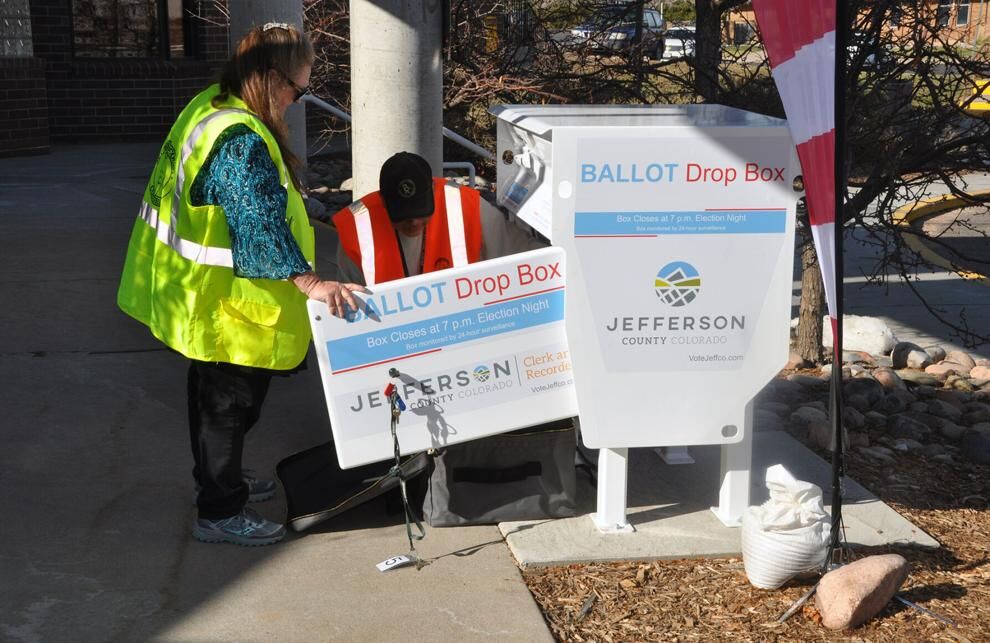
Jefferson County election workers collect ballots in this Gazette file photo.Ernest Luning / Colorado Politics To our disappointment, Coloradans turned down three sound policies proposed on the statewide ballot on Tuesday. Amendment 78, which needed 55% to become part of...
Colorado Springs Gazette: Parents take back their schools
Colorado Springs Gazette Editorial Board
colorado_springs_gazette_editorial_board@coloradopolitics.com
Updated 9 months ago
110421-cp-web-oped-csgeditorial-1 An uprising by parents in key school board races across the state Tuesday has opened the schoolhouse doors to fresh thinking, needed reforms – and new hope for many Colorado kids. Voters in those districts toppled an elected hierarchy...

Denver Gazette: Tuesday’s tale of two cities
Denver Gazette Editorial Board
denver_gazette_editorial_board@coloradopolitics.com
Updated 9 months ago
Syringes and drug paraphernalia found during the cleaning of an illegal homeless camp in Denver. Photo courtesy of the Denver Department of Public Health and Environment In Denver, it’s not a matter of if, but when. Right next door in Aurora,...
Colorado Springs Gazette: Locally and nationally, ‘it’s education, stupid!’
The Colorado Springs Gazette editorial board
the_colorado_springs_gazette_editorial_board@coloradopolitics.com
Updated 9 months ago
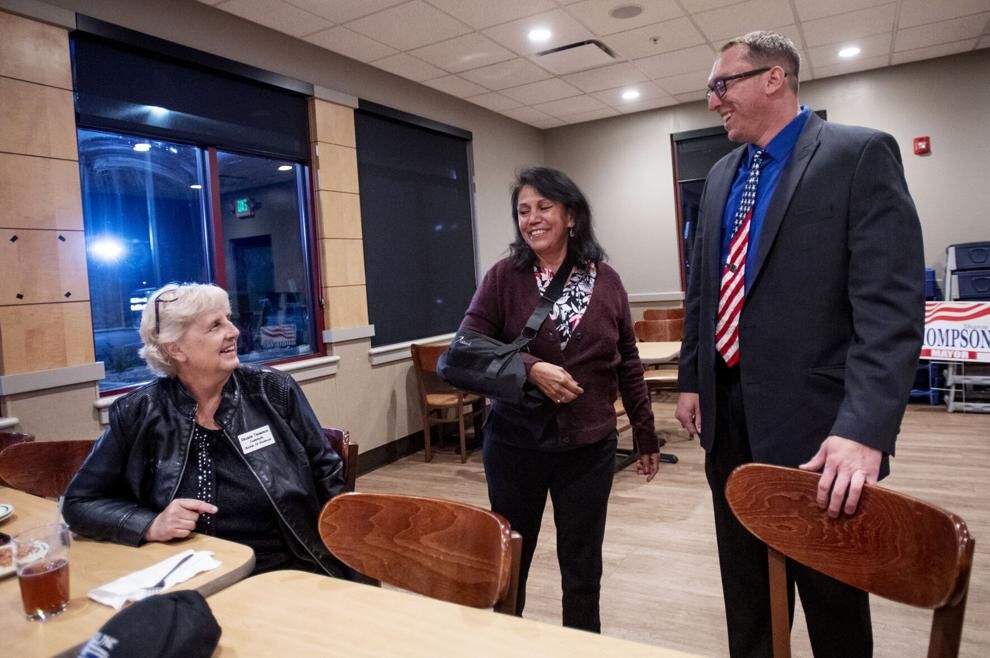
Fountain Councilwoman Sharon Thompson, left, is greeted by Cory Applegate, right, with Brenda Miller, who is running for election for an at-large seat of the Widefield School District 3 School Board, middle, during Thompson’s watch party at IHOP in Fountain...
Colorado Springs Gazette: Trust mama bears to improve public schools
The Colorado Springs Gazette editorial board
the_colorado_springs_gazette_editorial_board@coloradopolitics.com
Updated 9 months ago
Morsa Images Mama bears have awakened from their hibernation, and Big Education knows it. Union leaders, puppeteering public education for decades, are worried and they should be. Colorado in the past year has seen the sprouting and growth of grassroots,...

Denver Gazette: This Halloween, let’s let kids be kids
The Denver Gazette editorial board
the_denver_gazette_editorial_board@coloradopolitics.com
Updated 9 months ago
Harleigh Anderson rides a train during a Halloween celebration Thursday at Denver’s Union Station.The Associated Press In an era of American civilization chock full of difficulty, here’s some jubilant breaking news: It’s the best kind of weekend to be a...

Colorado Springs Gazette: Simon says put your masks back on
Colorado Springs Gazette Editorial Board
colorado_springs_gazette_editorial_board@coloradopolitics.com
Updated 9 months ago
Getty Images It should be a given: Local elected leaders – whether in Pueblo or Aurora or Colorado Springs or anyplace else – are in a better position to contain COVID than are officials who are higher up and farther...
Denver Gazette: Gazette report shows need for Amendment 78
Denver Gazette Editorial Board
denver_gazette_editorial_board@coloradopolitics.com
Updated 9 months ago
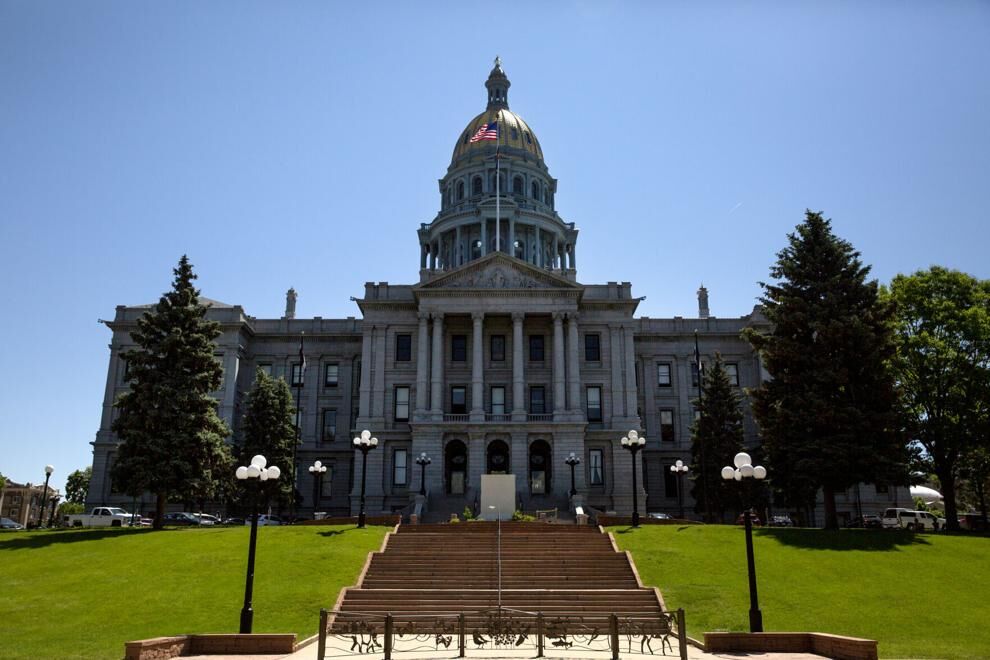
The state Capitol building is seen on the final day of the legislative session.The Denver Gazette The wind blew a branch on the roof and caused a leak. Dad obtained emergency aid to fix it. He easily patched the damage...

Denver Gazette: City schools need Jones, Villagrana, Fashaw
The Gazette editorial board
the_gazette_editorial_board@coloradopolitics.com
Updated 9 months ago
100521-cp-web-oped-dgeditorial The latest unsettling news about Denver Public Schools reaffirms the need for a change of elected leadership at Colorado’s largest and most prominent school district. It seems the Denver school board’s reigning embarrassment, first-term member Tay Anderson, has stepped...