

The Colorado Springs Gazette: Don’t believe the lie of zero-emissions cars
Just as the state forces Battery cars onto Colorado consumers, emerging evidence consistently show the so-called “zero-emission vehicles” pollute more than internal combustion vehicles.
The latest evidence comes in a report by the German-based IFO Institute for Economic Research, released about the same time Colorado air commissioners voted 8-1 to adopt California’s “Zero Emission Vehicle” (ZEV) standards. The new rule requires at least 5% of any automotive company’s vehicles for sale in Colorado run on electricity.
It is all part of an initiative launched by former Gov. John Hickenlooper and advanced by Gov. Jared Polis to mandate cleaner air.
We all want clean air. Hickenlooper and Polis probably believe battery cars advance the goal. No credible evidence suggests they do any such thing.
The IFO study concludes the CO2 emissions from battery cars are “in the best case, slightly higher than those of a diesel engine, and are otherwise much higher.”
That could explain at least part of the reason California’s air quality has gone down since the state forced the sale of more battery cars.
The institute’s study included everything that emits CO2 from the moment production of the vehicle’s energy source begins. When accounting for the emissions involved in producing diesel fuel and emissions involved in producing mining-intensive battery production, the Tesla Model 3 in Germany (battery car) emitted up to 181 grams of CO2 per kilometer – including emissions involved in producing kilowatts for the battery. That compares to 141 grams of CO2s produced by the diesel-powered Mercedes C22d.
A 2018 study by the Bloomberg New Energy Finance and Berylls Strategy Advisors came to a similar conclusion, citing the extraordinary amount of carbon pollution caused by the production of lithium-ion batteries. The research concluded the average vehicle owner in Germany could drive a conventional car more than 31,000 miles before catching up to the emissions caused by a Nissan Leaf battery car.
The New York-based Manhattan Institute in 2018 came to the conclusion Elective Vehicles produce more CO2 pollution than new gasoline vehicles.
“Today’s vehicles emit only about 1 percent of the pollution than they did in the 1960s, and new innovations continue to improve those engines’ efficiency and cleanliness,” said economist Jonathan Lesser, who authored the Manhattan Institute study.
In addition to the pollution they cause, electric car owners should know about the social injustice their vehicles cause around the globe.
“The extraction of essential ingredients to make cost-effective lithium-ion batteries generally leaves environmental and human devastation in its wake,” explains an article published by Green Tech Media.
“Industry leaders have come closer to solving how to store energy and power cars without fossil fuels on a large scale, but they’re just beginning to grapple with the moral implications of a clean energy industry supported by the ugly truths of child labor and pollution.”
Green Tech quoted Stefan Sabo-Walsh, head of commodities research at Verisk Analytics.
“It’s quite an interesting case, where you have the benefits of moving to green technology being outweighed, in some cases, when you look at the mine production” Sabo-Walsh explained.
The state’s new ZEV standard is nothing but a feel-good fraud. There ain’t no such thing as a free lunch, a unicorn, a perpetual motion machine or a zero-emissions car.


Denver Gazette: When American Indians root for Yuma
Denver Gazette Editorial Board
denver_gazette_editorial_board@coloradopolitics.com
Updated 9 months ago
Yuma Indians (Yuma Athletics) In a fit of orchestrated indignation last spring, our legislature banned the use of American Indian-themed mascots by public schools in Colorado. The Democratic majority at the Capitol deemed all such mascots offensive to American Indians....
Denver Gazette: Missed opportunities on statewide ballot
Denver Gazette Editorial Board
denver_gazette_editorial_board@coloradopolitics.com
Updated 9 months ago
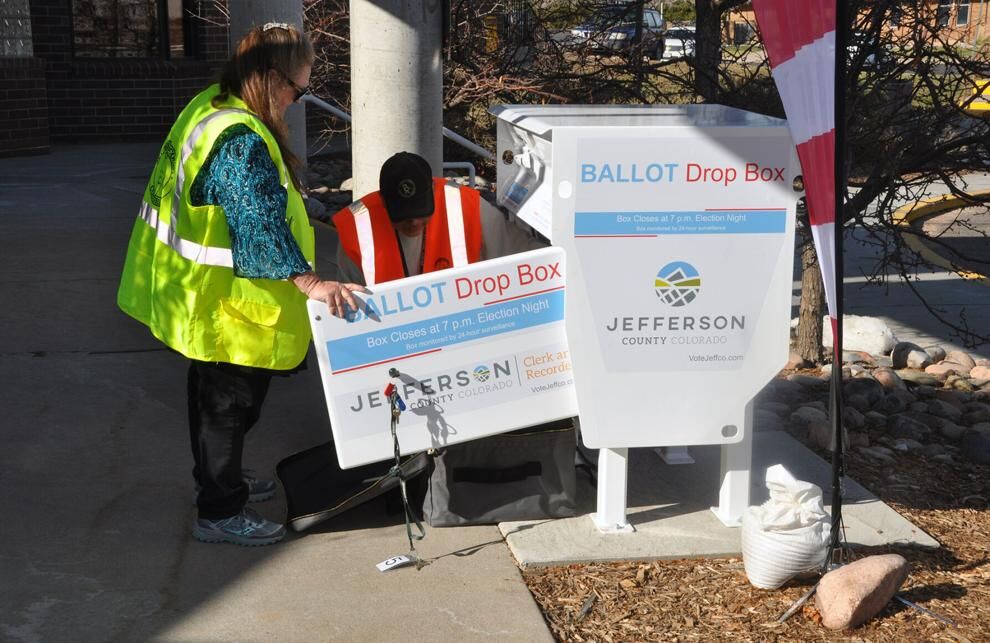
Jefferson County election workers collect ballots in this Gazette file photo.Ernest Luning / Colorado Politics To our disappointment, Coloradans turned down three sound policies proposed on the statewide ballot on Tuesday. Amendment 78, which needed 55% to become part of...

Colorado Springs Gazette: Parents take back their schools
Colorado Springs Gazette Editorial Board
colorado_springs_gazette_editorial_board@coloradopolitics.com
Updated 9 months ago
110421-cp-web-oped-csgeditorial-1 An uprising by parents in key school board races across the state Tuesday has opened the schoolhouse doors to fresh thinking, needed reforms – and new hope for many Colorado kids. Voters in those districts toppled an elected hierarchy...

Denver Gazette: Tuesday’s tale of two cities
Denver Gazette Editorial Board
denver_gazette_editorial_board@coloradopolitics.com
Updated 9 months ago
Syringes and drug paraphernalia found during the cleaning of an illegal homeless camp in Denver. Photo courtesy of the Denver Department of Public Health and Environment In Denver, it’s not a matter of if, but when. Right next door in Aurora,...

Colorado Springs Gazette: Locally and nationally, ‘it’s education, stupid!’
The Colorado Springs Gazette editorial board
the_colorado_springs_gazette_editorial_board@coloradopolitics.com
Updated 9 months ago
Fountain Councilwoman Sharon Thompson, left, is greeted by Cory Applegate, right, with Brenda Miller, who is running for election for an at-large seat of the Widefield School District 3 School Board, middle, during Thompson’s watch party at IHOP in Fountain...

Colorado Springs Gazette: Trust mama bears to improve public schools
The Colorado Springs Gazette editorial board
the_colorado_springs_gazette_editorial_board@coloradopolitics.com
Updated 9 months ago
Morsa Images Mama bears have awakened from their hibernation, and Big Education knows it. Union leaders, puppeteering public education for decades, are worried and they should be. Colorado in the past year has seen the sprouting and growth of grassroots,...

Denver Gazette: This Halloween, let’s let kids be kids
The Denver Gazette editorial board
the_denver_gazette_editorial_board@coloradopolitics.com
Updated 9 months ago
Harleigh Anderson rides a train during a Halloween celebration Thursday at Denver’s Union Station.The Associated Press In an era of American civilization chock full of difficulty, here’s some jubilant breaking news: It’s the best kind of weekend to be a...

Colorado Springs Gazette: Simon says put your masks back on
Colorado Springs Gazette Editorial Board
colorado_springs_gazette_editorial_board@coloradopolitics.com
Updated 9 months ago
Getty Images It should be a given: Local elected leaders – whether in Pueblo or Aurora or Colorado Springs or anyplace else – are in a better position to contain COVID than are officials who are higher up and farther...
Denver Gazette: Gazette report shows need for Amendment 78
Denver Gazette Editorial Board
denver_gazette_editorial_board@coloradopolitics.com
Updated 9 months ago
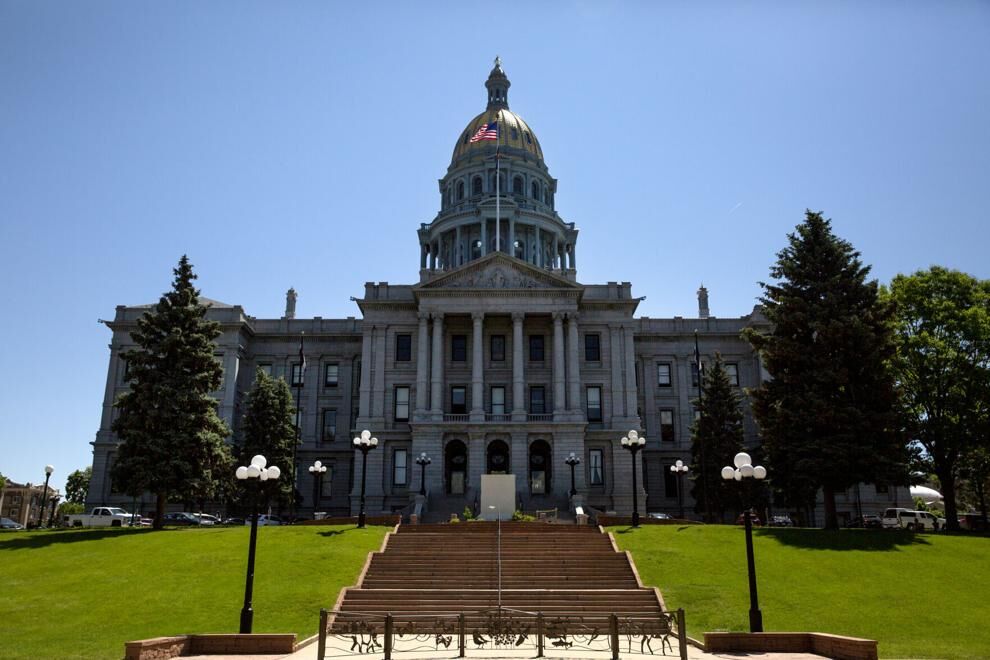
The state Capitol building is seen on the final day of the legislative session.The Denver Gazette The wind blew a branch on the roof and caused a leak. Dad obtained emergency aid to fix it. He easily patched the damage...

Denver Gazette: City schools need Jones, Villagrana, Fashaw
The Gazette editorial board
the_gazette_editorial_board@coloradopolitics.com
Updated 9 months ago
100521-cp-web-oped-dgeditorial The latest unsettling news about Denver Public Schools reaffirms the need for a change of elected leadership at Colorado’s largest and most prominent school district. It seems the Denver school board’s reigning embarrassment, first-term member Tay Anderson, has stepped...