

The Colorado Springs Gazette: Mr. Governor, let’s never soak the rich
Pandering politicians claim the rich are a problem for the poor. They talk of “income disparity” and a “concentration of wealth” among the few. They appeal to class envy and declare something must be done.
The Gazette’s editorial board heard it recently in a meeting with our friend, Colorado Gov. John Hickenlooper. The wealthy Democrat is a likely candidate for president and speaks of the need for future tax policies to address a “concentration of wealth” resulting from the technological revolution.
“When you look at all senior executives and shareholders of these companies, basically you have to switch your eyes,” Hickenlooper said. “That’s sucking money out of every man, woman and child in this country…
“We as a society have to figure out what we’re going to do about it. It’s going to doom us to not be able to take care of our elderly when they’re sick. It’s going to doom us. We’ll face moral situations we’re not going to want… I sound like a g–mn socialist, but I’m not.”
He is a quintessential capitalist, if we consider his actions instead of words. His life story belies his concern.
Hickenlooper’s tale reveals the secret of success. It is a recipe of patience, vision, delayed gratification and using money like seed corn.
He worked as an oil and gas geologist in the 1980s. When oil prices fell, he lost his job.
With extremely limited resources, Hickenlooper built a dream job. He converted a vacant warehouse in lower downtown Denver into a brewpub, before most people knew about craft beer.
The famous Wynkoop Brewing Company led a cultural and economic renaissance in a dilapidated warehouse district.
Hickenlooper had no reason to stop. He opened more brewpubs, including the popular Phantom Canyon in downtown Colorado Springs. Phantom Canyon inspired others to invest in the neighborhood. Over decades, the growth of Hickenlooper’s small investment helped make Colorado’s Front Range the Napa Valley of high-end beer.
In creating a small restaurant empire, Hickenlooper’s net worth grew to millions. As he concentrated wealth, investing in constructive endeavors, he deprived the working class and poor of nothing. He created work for truck drivers, waiters, cooks, janitors, CPAs, lawyers, architects and more. By growing his wealth, he spread wealth.
Hickenlooper’s success enhanced the tax base, generating revenue for indigent health care and other social concerns he cares about.
In a free market, wealth amasses among those who provide the goods, services and commodities humanity needs. One gets rich by producing riches, which are all that backs the value of a dollar.
To simplify, consider a tale of two young twins. Bobby and Cindy receive $5 gift cards from grandma. One will grow the money, the other will not.
Each child wants the latest Fortnite game app upgrade, a bag of Skittles, and a Sprite. Problem is, the game costs $4. The remaining dollar won’t buy Skittles and Sprite.
Bobby settles for the game. Cindy commits to having all three and buys none with her $5. Instead, she spends $4 on powdered lemonade and sets up a table at the park. She sells 32 drinks for 50 cents each. She earns $16. Minus her $4 investment, plus the dollar she had, Cindy has $13 instead of $5.
With $13, Cindy buys the game, the Skittles and the Sprite for $7. She has $6 remaining and invests an additional $4 in Lemonade. Each time she repeats the cycle, she has more cash and more of what it can buy. She uses her expanding pool of capital to start additional lemonade stands run by kids who repay her with a cut.
Cindy took nothing from Bobby or anyone else. By growing her capital – and her net worth – she helped people in need of refreshment. The local store sold more Skittles, Sprite and lemonade. She traded her wealth with many, each benefiting from the exchanges. It all began with 5 bucks.
Bobby considers Cindy’s wealth unfair, even though he benefits from her plentiful candy supply and regular Fortnite upgrades.
“Tell Cindy to share her money. She has more than she needs,” Bobby says to mom.
Think: new tax on Cindy.
“If I do that, Cindy will have less to invest in lemonade. That does no one any favors,” mom explains. “Go help Cindy sell lemonade.”
This phenomenon scales up and the outcomes do not change, whether one turns dollars into millions or billions. It works the same when Apple sells iPhones or Exxon sells fuel. It works the same when a jobless man creates an entertainment trend in a warehouse.
Constructive endeavors grow the gross domestic product. Everyone wins when millionaires, billionaires or penny ante lemonade barons grow the economy.
Because of capitalism spreading around the globe, by humans accumulating wealth, the world poverty rate fell from 28.6 percent in 1970 to about 5 percent in the early 21st century.
Don’t believe the myth of the zero-sum game. Someone getting rich does not cause someone to get poor.
Capitalists do not bury money in the backyard, keeping it from the middle class and poor. They succeed financially by solving problems and improving the way we live, work and play. To do so, they create jobs, distribute goods and consume. They are economic brewer’s yeast, growing the money supply and keeping it moving. By amassing wealth, they benefit the rich, poor and middle class alike. As you did, Mr. Governor. It is a far cry from doom.
Read this editorial at Gazette.com

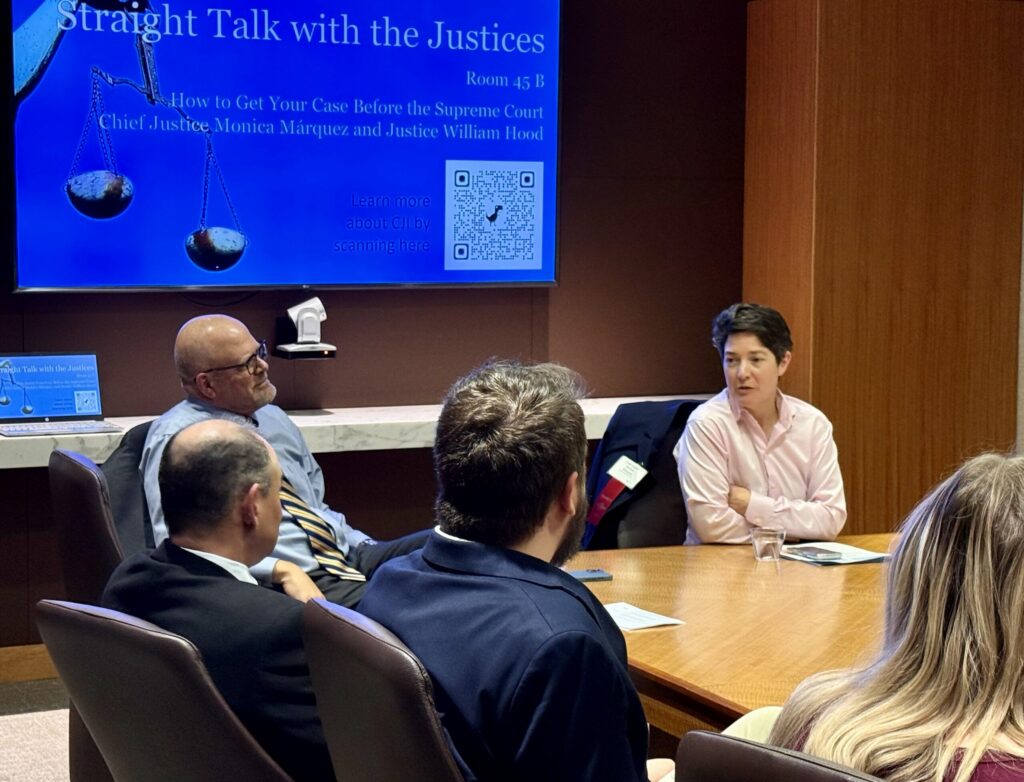
Colorado Supreme Court lifts curtain on decision-making at legal event
Michael Karlik
michael.karlik@coloradopolitics.com
Updated 11 minutes ago
Members of the Colorado Supreme Court sat down with lawyers on Wednesday to answer questions about behind-the-scenes topics, including what happens immediately after an appeal is argued, why they might intervene in an ongoing case, and the consequence of a...

Senate, House leaders propose bill to cut outdated Colorado regulations and expand agency oversight
Marissa Ventrelli
marissa.ventrelli@coloradopolitics.com
Updated 33 minutes ago
A bipartisan group of Colorado’s top legislative leaders is pushing a bill that would require periodic reviews of state regulations and expand lawmakers’ ability to scrutinize agency programs during oversight hearings. Senate Bill 137, sponsored by Senate President James Coleman,...

House Republicans split over SAVE America Act pressure campaign
David Sivak, Washington Examiner
david.sivak.washington.examiner@gazetteedit.wpenginepowered.com
Updated 4 hours ago
House Republicans are torn over how difficult to make life for the Senate as a band of rebels pressures Majority Leader John Thune (R-SD) to pass a national voter ID bill. Speaker Mike Johnson (R-LA) has cautioned House conservatives that...

Republican Jeff Crank, Democrat Jessica Killin qualify by petition for Colorado’s 5th CD primary
Ernest Luning
ernest.luning@coloradopolitics.com
Updated 4 hours ago
Republican U.S. Rep. Jeff Crank and Jessica Killin, one of the Democrats challenging the first-term incumbent, have both qualified for the primary ballot in Colorado’s 5th Congressional District after turning in a sufficient number of petition signatures, state election officials...
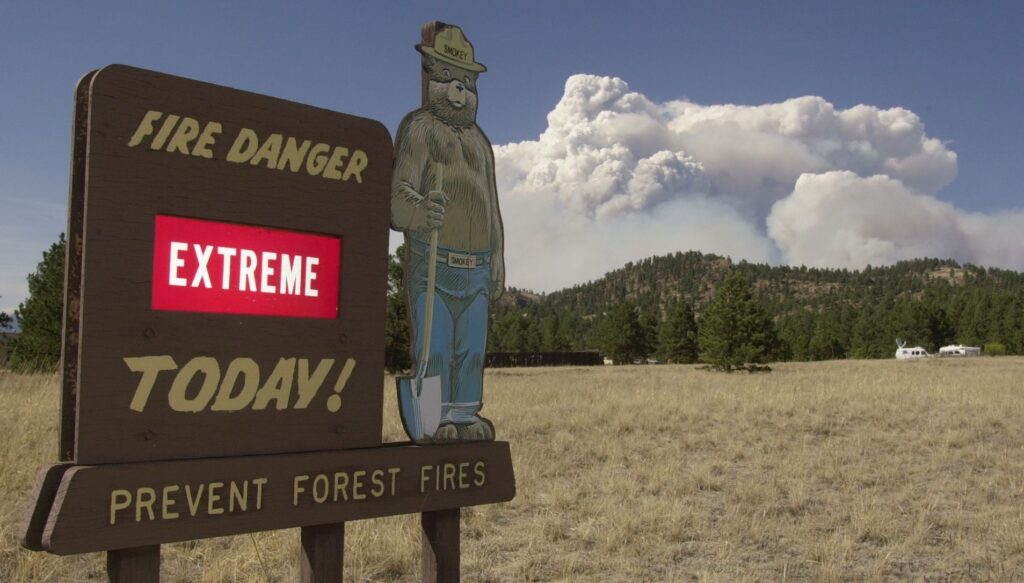
High winds force closures of I-25 and I-70, overturned semi-trucks, flight delays, power outages
Dan Boniface
dan.boniface@denvergazette.com
Updated 1 hour ago
High winds, warm temperatures and dry conditions have meteorologists sounding the alarm across much of Colorado on Thursday. Here’s what you need to know. Red Flag Warning issued The National Weather Service in Boulder has issued a Red Flag Warning...
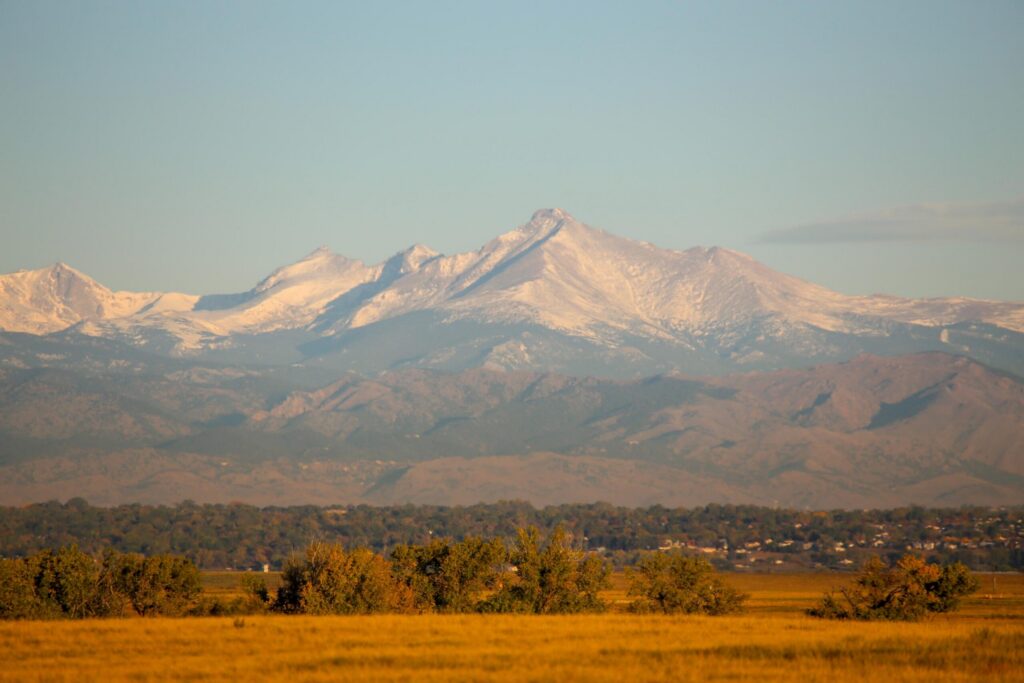
This winter was Colorado’s warmest on record
Matt Kyle
matt.kyle@denvergazette.com
Updated 2 hours ago
Colorado just had its warmest winter on record, while the Denver metro area had its second-warmest, according to meteorologists and National Weather Service data. Data show the average temperature between December and February was 33.6 degrees, nearly 2 degrees warmer...
Colorado auditor finds serious issues with labor agency’s unemployment insurance accounting
Marianne Goodland
marianne.goodland@coloradopolitics.com
Updated 4 hours ago
Colorado’s state auditors found serious issues with the accounting practices of the unemployment insurance division of the Department of Labor and Employment, concluding the agency underestimated and overestimated figures to the tune of billions of dollars. The auditors labeled the...

Colorado’s newest federal judge speaks about techniques for advancing cases
Michael Karlik
michael.karlik@coloradopolitics.com
Updated 20 hours ago
U.S. Magistrate Judge Cyrus Y. Chung described on Wednesday the various tactics he employs to resolve court cases, summing up his role with a laxative-based metaphor. “Someone told a group of us federal magistrate judges that magistrate judges are the...

Three cargo ships damaged by ‘projectiles’ in Strait of Hormuz
Brady Knox, Washington Examiner
brady.knox.washington.examiner@gazetteedit.wpenginepowered.com
Updated 23 hours ago
Three cargo ships were damaged by unspecified “projectiles” while navigating the Strait of Hormuz, jeopardizing President Donald Trump’s goal of preserving the shipping lane’s safety. The strait was de facto closed the morning hostilities began on Feb. 28, with announcements...

Trump calls on Thune to be a ‘leader’ and get the votes for the SAVE America Act
NAOMI LIM Washington Examiner
naomi-lim-washington-examiner@coloradopolitics.com
Updated 24 hours ago
President Donald Trump increased pressure on Senate Majority Leader John Thune (R-SD) to pass the SAVE America Act, imploring him to be a “leader” after he expressed concerns that there is not enough support for the measure in his chamber....
PREV
PREVIOUS
The Sentinel: Health threats posed by fracking and drilling still threaten residents and the industry alike
Colorado’s growing oil and gas industry is not off the hook just because voters decisively turned back a measure that would significantly increase setbacks from drilling operations and homes, schools and more. The problem Proposition 112 would have unsuccessfully addressed is still a serious problem. The measure sought to increase the mandatory setback places like […]

Utah latest state to legalize medical pot, expand Medicaid
SALT LAKE CITY – Voters in conservative Utah have decided to join the growing number of states legalizing medical marijuana and expanding Medicaid to cover tens of thousands more low-income residents, two issues that had long stalled out with conservative state lawmakers. Utah will be on the list of more than 30 states allowing patients […]