

Election Preview 2018 | Aurora voters decide on medical pot, local broadband
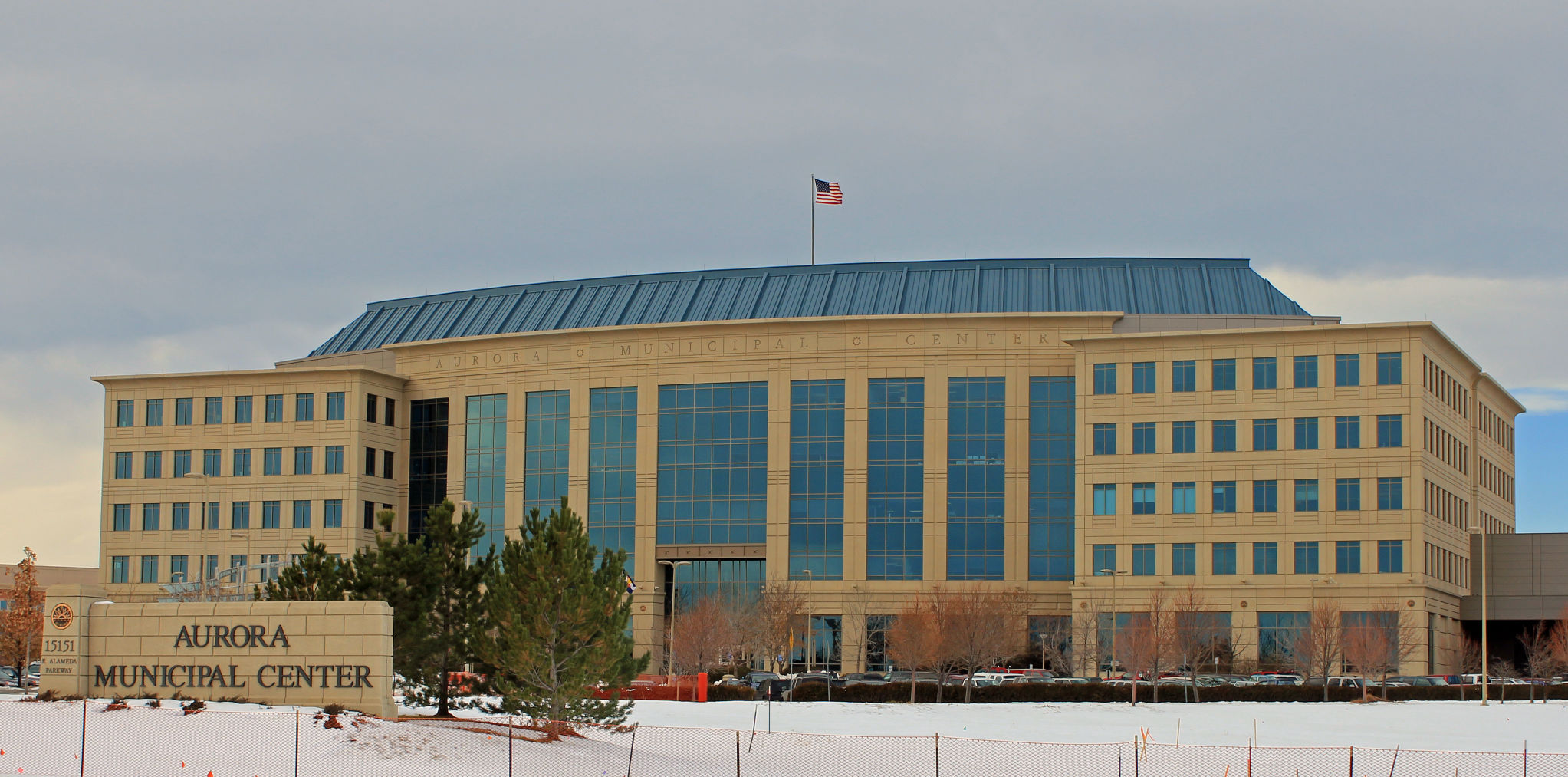
Aurora voters are deciding on a handful of municipal ballot issues, ranging from medical marijuana to broadband.
There are five questions before city voters, but one was cut just before the deadline to finalize the ballot.
City council members were set to put a question about police pensions on the ballot, as the Aurora Police Association, the department’s union, and the city came to an impasse on whether to stay with the city plan or move over to a state plan. But the association said it wanted to continue negotiations.
Here is what Aurora voters will decide:
3G and 3H: Medical marijuana
Aurora’s ban on medical marijuana may soon be over. Voters upheld the ban in 2010, when a measure to allow it failed by about 4,000 votes, but locals believe public opinion has changed in the past eight years.
Council members decided to consider a 4 percent sales tax after city staff estimated a $1.8 million deficit associated with allowing medical sales. That’s based on data on sales in neighboring Denver, where medical marijuana makes up 35 percent of all marijuana sales in the city.
Aurora city staffersexpect that percentage to be about the same in Aurora, but Councilwoman Nicole Johnston said during city meetings earlier this year she’s worried that amount may be off, as more people may no longer drive to Denver for medical marijuana like they do now.
The question allows the city to raise the sales tax, but never above 10 percent.
Beyond changing views, leaders say the infrastructure from existing recreational growers will make medical marijuana successful.
Even though manufacturing and sales will be legal in the city if the measure passes, Aurora residents won’t see medical dispensaries in the near future. Regulations for dispensaries will still have to be developed.
3I: Photo red light program
State legislators weren’t able to end photo red light programs across the state on multiple occasions the past few years – the governor vetoed those measures. But Aurora voters might be able to squash the local program, which is at 10 intersections across the city.
In all there are 14 cameras that take pictures of cars running red lights. If the program stays, city leaders have hinted that they may consider expanding it. Data have already been compiled recommending several intersections that could benefit from the program.
But it also might end all together. The city decided to ask voters whether to keep photo red light earlier this year. They later edited the question to include a statement acknowledging where the revenue from the tickets goes.
More than $1 million goes toward domestic violence programs, nonprofit organizations dealing with homelessness, and Aurora’s “Problem Solving Courts” program. Councilman Charlie Richardson was the only council member to oppose the ballot question, citing that revenue as a main factor.
3J: Fire and police probationary period
Ballot question 3J asks Aurora voters to alter the city charter and change the probationary period for city firefighters and police officers. Currently, the probationary period applies to those new hires from the day they start, but the charter change would start the probationary period after required training is finished.
If passed, the probationary period would still be a year for all new hires.
3K: Restoring local control over broadband services
Following in the footsteps of nearly 100 municipalities across Colorado, Aurora is asking voters whether it should also bow out of a 2005 law that prohibits local government from offering any broadband services.
The opt-out from SB152 would allow the city to “leverage financial resources, as well as community-owned infrastructure, to improve broadband access to its citizens,” according to a memo drafted for the city by outside legal counsel.
While many cities across the state have voted to authorize the establishment of municipal broadband services, only a handful have done so.


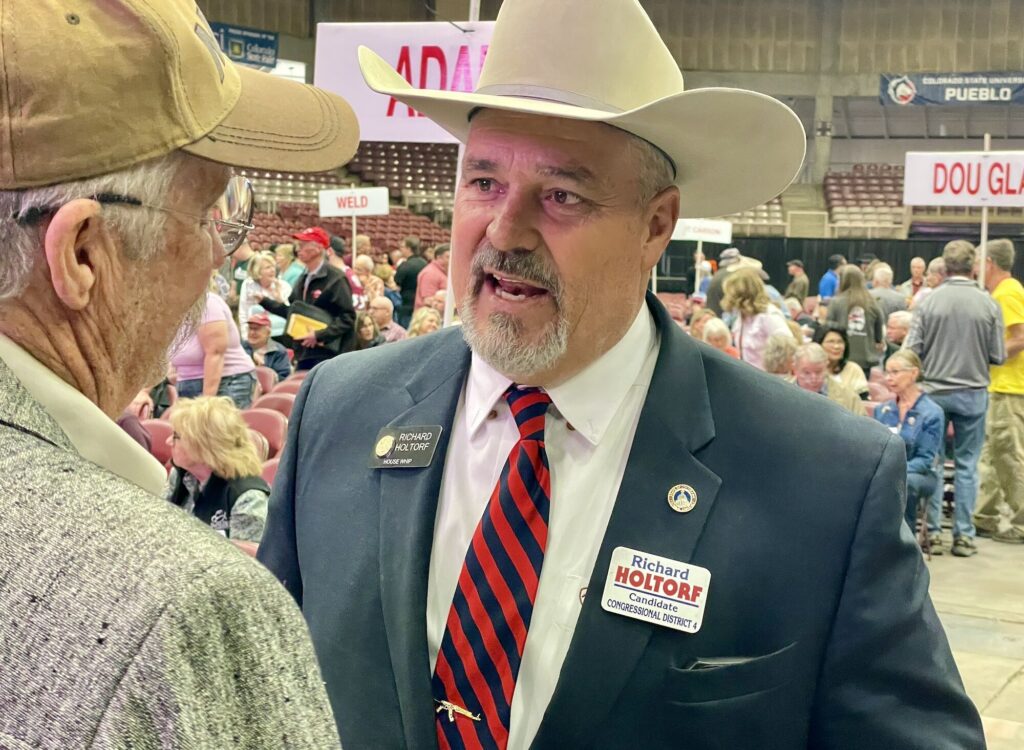
Colorado GOP vice chair Richard Holtorf resigns, says it’s ‘impossible’ to work with chair Brita Horn
Ernest Luning
ernest.luning@coloradopolitics.com
Updated 26 minutes ago
Colorado Republican Party Vice Chair Richard Holtorf notified GOP officials on Tuesday that he will step down from the party position at the end of the month, citing his inability to work with state chair Brita Horn. Holtorf, a third-generation...

Daniels Fund awards $450,000 to three outstanding organizations | NONPROFIT REGISTER
Joanne Davidson Special to Colorado Politics
joanne-davidson-special-to-colorado-politics@coloradopolitics.com
Updated 4 hours ago
DANIELS FUND Denver News: You know the old saying about how it’s an honor just to be nominated? In the case of the Daniels Fund and its annual $250,000 Medal of Excellence Award, it wasn’t just an honor to be considered; it was...
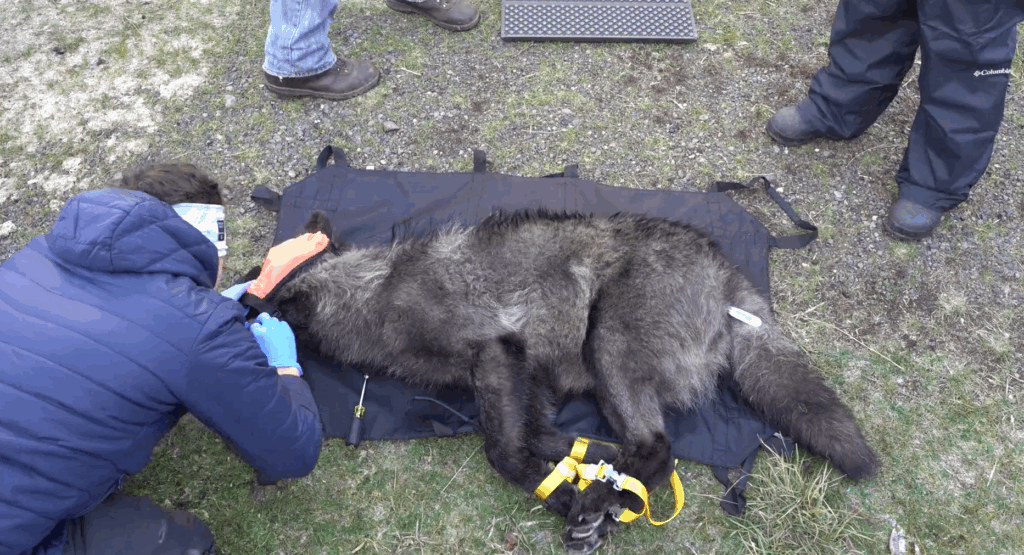
14th wolf dies in northwest Colorado
Marianne Goodland
marianne.goodland@coloradopolitics.com
Updated 21 hours ago
The 14th wolf to die in Colorado since their reintroduction about two years ago took place during a “collaring” operation in the northwestern region of the state last week. Colorado Parks and Wildlife said the wolf, identified as #2305 —...

Colorado attorney general joins lawsuit against Trump energy emergency order
Scott Weiser
scott.weiser@gazette.com
Updated 5 hours ago
Colorado Attorney General Phil Weiser joined a multistate lawsuit challenging an executive order invoking the National Emergencies Act that President Donald Trump issued on the day of his inauguration. The order fast-tracks fossil fuel projects by bypassing or shortening environmental...

Colorado’s federal judges slash motions backlog to lowest in years
Michael Karlik
michael.karlik@coloradopolitics.com
Updated 22 hours ago
Colorado’s federal trial judges collectively had 37 motions in civil cases that had been sitting on their dockets for at least six months without a ruling, as of Sept. 30. That is the smallest backlog the state’s U.S. District Court...
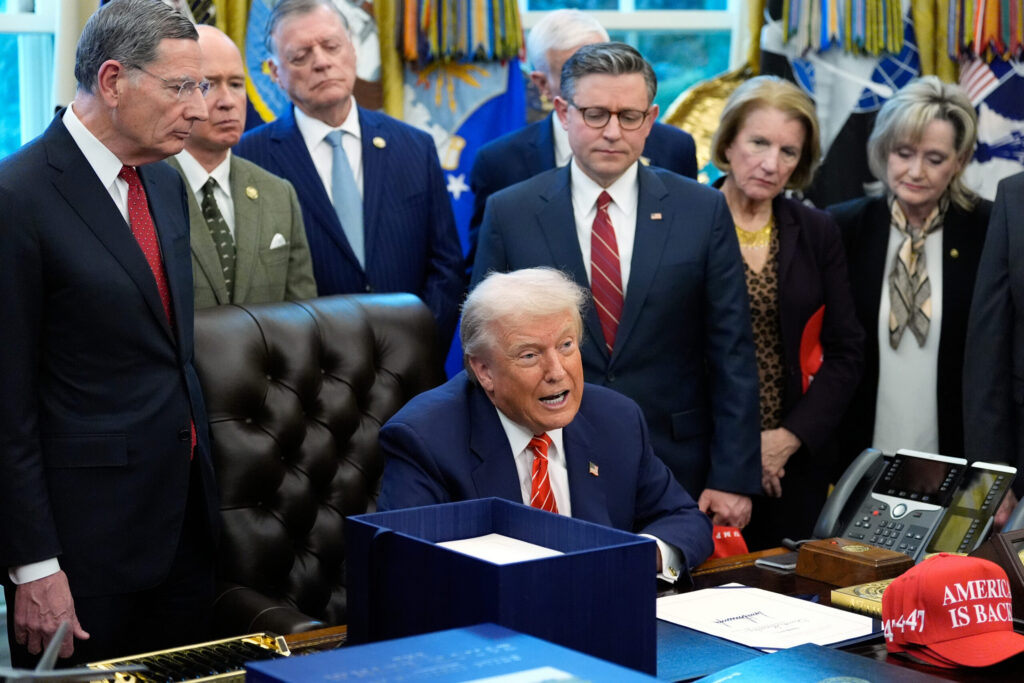
Colorado delegation splits in House vote to end federal government shutdown
Ernest Luning
ernest.luning@coloradopolitics.com
Updated 22 hours ago
Colorado’s U.S. House members divided mostly along party lines Tuesday in separate votes on a funding deal to end the federal government’s partial shutdown, while giving Congress more time to negotiate long-term funding for the Department of Homeland Security. Lawmakers...
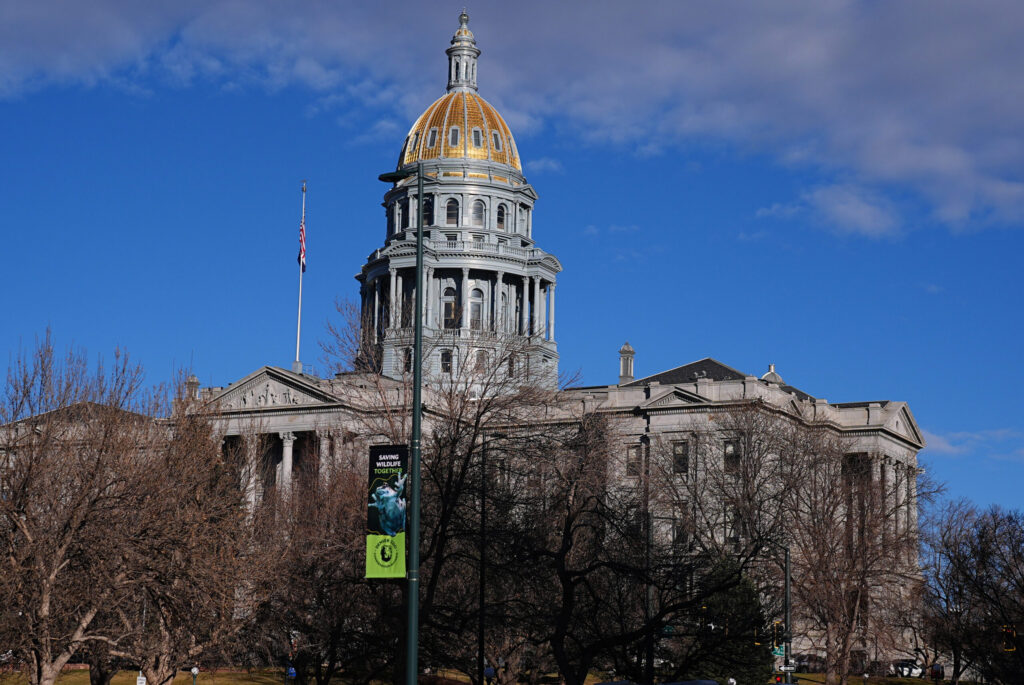
Immigration resolution ignites hours of debate in Colorado House
Marissa Ventrelli
marissa.ventrelli@coloradopolitics.com
Updated 19 hours ago
A joint resolution affirming lawmakers’ “commitment to Coloradans navigating the complex United States immigration system” sparked more than three hours of debate on the House Floor on Tuesday morning, reflecting the tension rising between Colorado and the Trump administration, which...
Colorado Supreme Court to review child custody decision
Michael Karlik
michael.karlik@coloradopolitics.com
Updated 22 hours ago
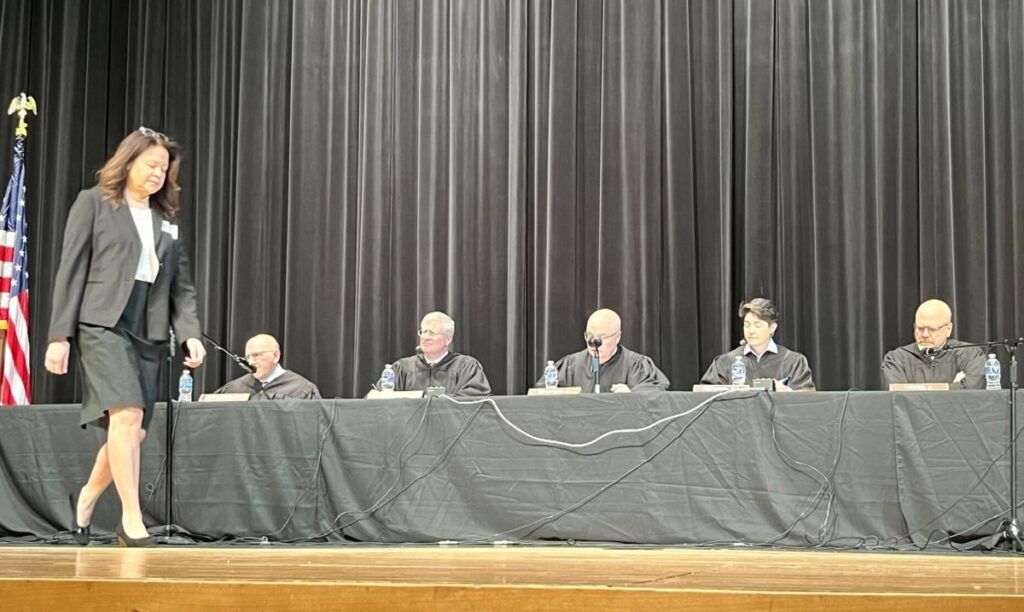
The Colorado Supreme Court announced on Monday that it will review whether the state’s second-highest court described the correct framework for deciding whether to terminate a parent’s legal rights over a child. At least three of the court’s seven members...

Q&A with Taxpayers Protection Alliance’s Ross Marchand
Marissa Ventrelli
marissa.ventrelli@coloradopolitics.com
Updated 22 hours ago
The Taxpayers Protection Alliance describes itself as a nonpartisan group “dedicated to educating the public through the research, analysis and dissemination of information on the government’s effects on the economy.” Colorado Politics spoke with TPA’s senior fellow and attorney, Ross...
Lisa Calderón launches bid for Denver mayor
Deborah Grigsby
deborah.smith@denvergazette.com
Updated 22 hours ago
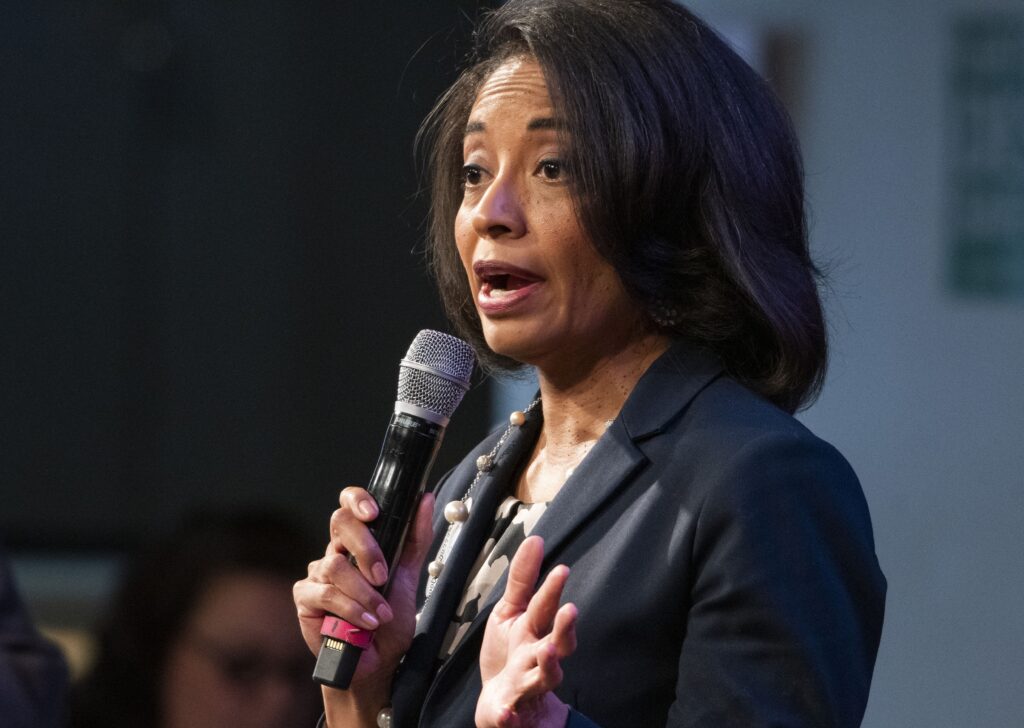
The 2027 race for Denver mayor is officially underway as longtime progressive candidate Lisa Calderón on Tuesday announced her bid for the city’s top executive seat. This is her third time running for mayor. Calderón ran against Mayor Mike Johnston...
PREV
PREVIOUS

Attorney general's race divides Colorado's newspapers
If elections were decided by newspaper editorial boards, Republican George Brauchler would be Colorado’s next attorney general by the narrowest divide. He has seven of the 13 official endorsements so far over his Democratic rival Phil Weiser ahead of next Tuesday’s general election. > RELATED: More Colorado newspapers make endorsements in governor’s race Here are […]

Denver Post owner laying off 107 at Colorado Springs service center
Digital First Media, owner of The Denver Post, the Boulder Daily Camera and nearly 100 other newspapers nationwide, will lay off 107 employees at its Colorado Springs service center after shifting the work to an outsourcing contractor. Denver-based DFM notified employees in August and sent a notice late last month to the Colorado Department of […]