

Democracy dominated by silence
Democrats in the Colorado Legislature began pushing the state’s election process toward all-mail balloting several years ago. Their premise was that easing voting would, over time, benefit Democratic candidates. Evidence supporting this hypothesis was thin. Oregon, the first state in the nation to adopt an all-mail, all-the-time ballot process had experienced growing Democratic majorities. Republican legislators resisted these Democratic proposals, but the success of Cory Gardner’s U.S. Senate campaign this past November and the Republicans’ recapture of a state Senate majority after a decade in the minority raises interesting questions. Is it possible that mail balloting strengthens the majority that inherently exists in the electorate irrespective of party?

Oregon was already a sky blue state that turned royal blue and now appears on the way toward navy blue. Colorado has never been better than purple. Perhaps the string of Democratic successes during the past decade, driven largely with dollars, has obscured a lingering pink hue to the state’s voting rolls. If mail ballots begin to drive Republican victories and a redder electorate, it won’t take long for Republican legislators to embrace the virtues of this Democratic strategy. The loss of neighborhood polling places joins the loss of other civic institutions reported in Robert Putnam’s “Bowling Alone.” There is real value in the joshing conversations with election judges (“I’m here to cancel out your vote, Fred”), as well as the sidewalk discussions with neighbors and the satisfaction of performing a shared civic responsibility. Mail voting becomes yet another task performed in the privacy of one’s kitchen.
This past week’s branch-shearing spring snow reminded me of Federico Peña’s surprise victory in Denver’s 1983 primary election. Fourteen-year incumbent Bill McNichols had badly bungled snow removal following the Christmas blizzard of ‘82, leaving city streets nearly impassable well into the new year. Snow began falling early on May 3, increasing in intensity as the day progressed. Voters were reminded of the administration’s failure just a few months earlier and the “invincible’ mayor ran third with just 19 percent of the vote. Peña placed first with 36 percent, trailed by District Attorney Dale Tooley, with 30 percent. Peña’s momentum carried him to a 51-49 runoff win against Tooley and introduced the tilde to Denver’s typesetters.
Today, better than 90 percent of voters would have cast their ballots by Election Day. In fact politically active, “high information voters” are most likely to return their ballots within 72 hours of receiving them. If the mail ballot becomes a permanent feature of Colorado elections, it seems certain that a future candidate will implode the weekend before Election Day without affecting the outcome.
Mail balloting saves public money — no need to round up and train lots of poll judges or locate and negotiate handicap accessible voting stations. Machines don’t have to be moved, nor do they break down. Long lines and irritable voters are a thing of the past. Little wonder that county clerks have embraced the new scheme irrespective of party affiliation. Candidate costs have soared as advertising must peak earlier and then be sustained through Election Day. Savvy voters return their ballots early in order to fend off the flood of calls or door pounding volunteers hounding them to vote. Results are reported earlier, often within 15 minutes after the polls close, reflecting the vote count through the previous day. No nail-biting wait for results from a missing precinct. Fewer inebriated supporters crying in their beers.
Technophiles are salivating at the opportunity for online voting, just as soon as they can work out the security protocols — green elections with no wasted paper ballots. Oh fabulous day! Callooh, callay! What could go wrong? Hackers, who have successfully cracked White House emails, stolen Pentagon war plans and run off with the credit card passwords for millions of Americans would never, never think about stuffing our virtual ballot boxes — would they? No, of course not. And, if we can just replace those pesky caucuses with open primaries, voters will never have to discuss politics with their neighbors again. Achieving a democracy dominated by the sounds of silence should be just the ticket. (Didn’t someone warn us the path to hell is paved with good intentions?)
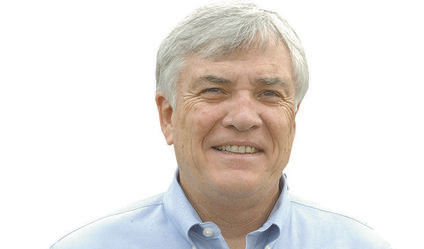
— Miller Hudson is a public affairs consultant. He can be reached at mnhwriter@msn.com.

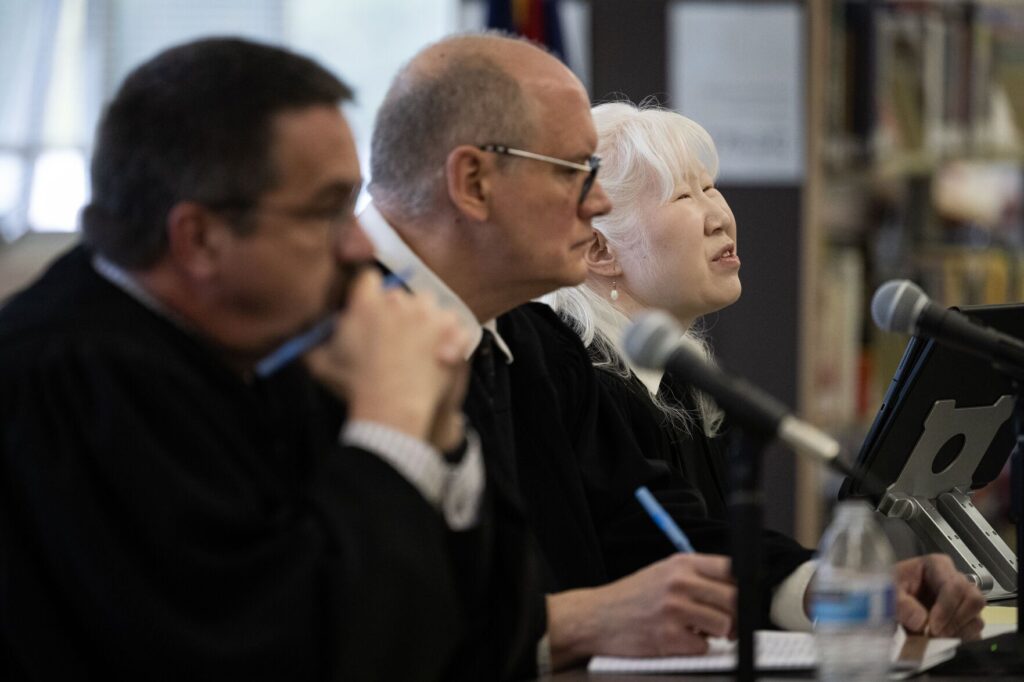
Appeals court clarifies framework for parents’ First Amendment rights in child-naming disputes
Michael Karlik
michael.karlik@coloradopolitics.com
Updated 38 minutes ago
Colorado’s second-highest court overturned a Jefferson County judge’s order last week in a long-running dispute about whether two ex-spouses must call their child by his first name or middle name outside the home. In doing so, a three-judge Court of...
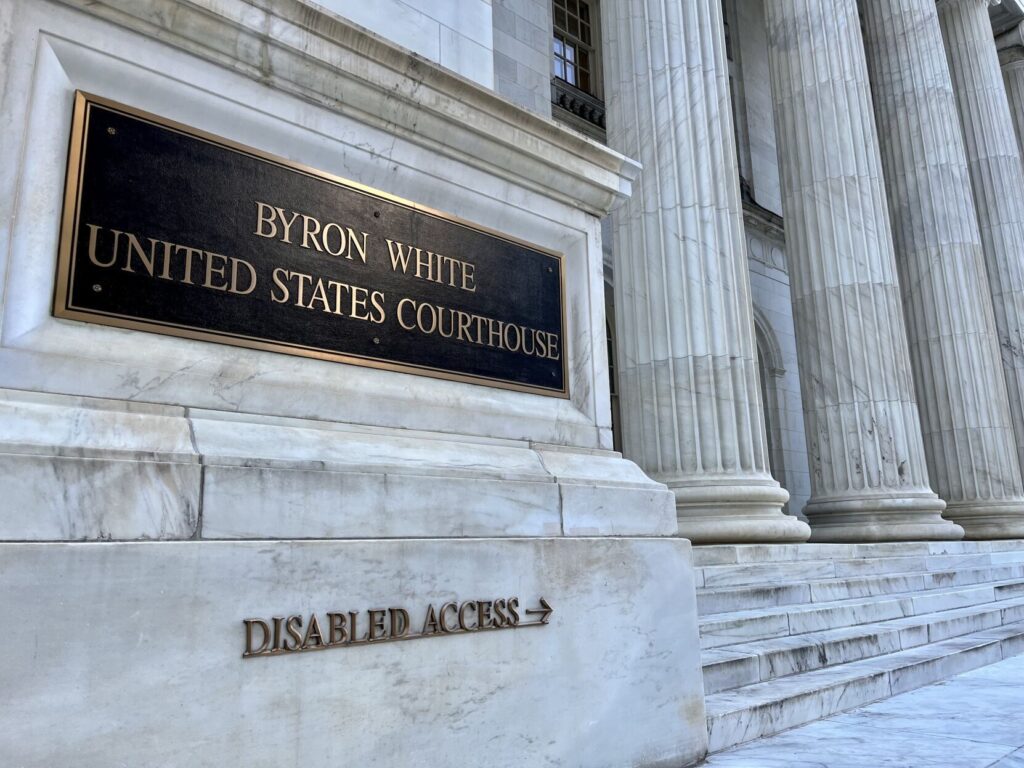
10th Circuit judges recap do’s and don’ts for lawyers
Michael Karlik
michael.karlik@coloradopolitics.com
Updated 3 hours ago
Two members of the Denver-based federal appeals court spoke to attorneys on Monday about how to present cases effectively, and when it is helpful for outside entities to weigh in on pending appeals. Judges Robert E. Bacharach of Oklahoma and...
Trump administration awards rural health ‘transformation’ grants to all 50 states
Christian Datoc, Washington Examiner
christian.datoc.washington.examiner@gazetteedit.wpenginepowered.com
Updated 7 hours ago
The Trump administration announced hundreds of millions of dollars in new healthcare grants for all 50 states on Monday as part of a program launched by President Donald Trump’s One Big Beautiful Bill Act over the summer. The law allocated...
Divided appeals court overturns defendant’s $350,000 restitution obligation
Michael Karlik
michael.karlik@coloradopolitics.com
Updated 2 hours ago
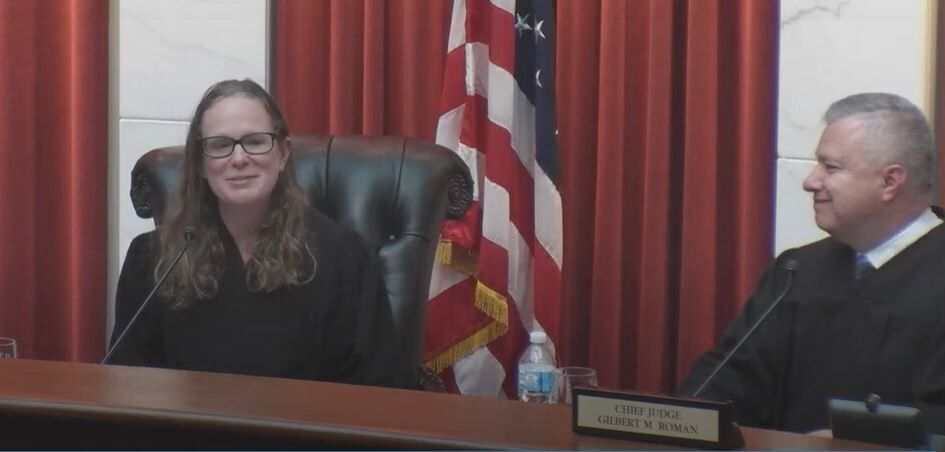
Colorado’s second-highest court overturned a defendant’s obligation to pay nearly $350,000 in crime victim restitution last week because an Arapahoe County judge issued the restitution order beyond the legal deadline. The divided decision of a three-judge Court of Appeals panel...

Health insurers drift leftward in campaign donations even as they seek to sway GOP
Robert Schmad, Washington Examiner
robert.schmad.washington.examiner@gazetteedit.wpenginepowered.com
Updated 8 hours ago
Insurance lobbyists are working hard on Capitol Hill in an attempt to sway centrist Republicans into their camp as party leadership expresses strong skepticism toward extending enhanced Obamacare subsidies. As these lobbyists take meetings with GOP staffers and members, however,...

U.S. Rep. Lauren Boebert: On representing Colorado, working with Trump and releasing the Epstein files
Thelma Grimes
thelma.grimes@coloradopolitics.com
Updated 3 hours ago
For years, U.S. Rep. Lauren Boebert’s name has become a shorthand for controversy in her home state and in the nation’s capital. Recently, the outspoken Colorado Republican has drawn rare praise from some of her fiercest critics, particularly after breaking...

New jaguar spotted in Arizona points to progress in endangered species’ recovery | OUT WEST ROUNDUP
The Associated Press
the-associated-press@coloradopolitics.com
Updated 6 days ago
ARIZONA New jaguar spotted in wild The spots gave it away. Just like a human fingerprint, the rosette pattern on each jaguar is unique so researchers knew they had a new animal on their hands after reviewing images captured by...
8 exemplars to guide us into the new year | SONDERMANN
Eric Sondermann
eric-sondermann@coloradopolitics.com
Updated 5 days ago
It started as a one-off in my first year of writing this regular column. To ring in the new year back in the eventful year of 2020, I offered a shoutout to eight Coloradans who served as models of how...
Raids, pushback and TdA indictments defined Denver’s immigration story in 2025
Nico Brambila
nico.brambila@denvergazette.com
Updated 2 days ago
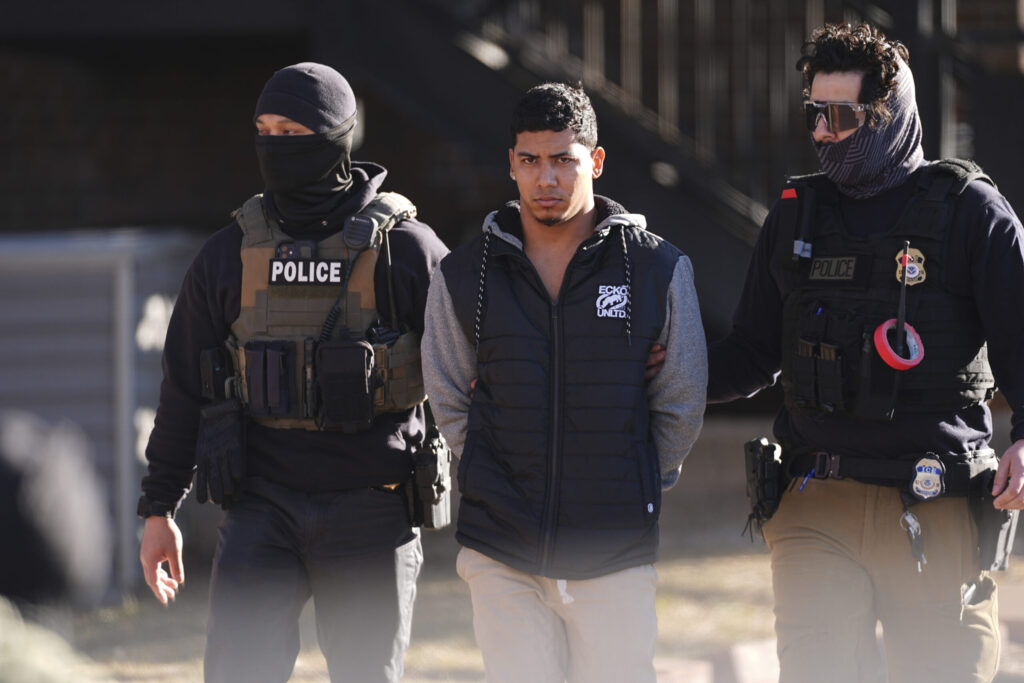
The Trump administration’s push for a large-scale, deportation effort — built around campaign warnings about Tren de Aragua, the Venezuelan prison gang that established a foothold in Colorado — collided with the realities on the ground in Denver, where raids...
Denver’s budget deficit shaped 2025 news coverage
Deborah Grigsby
deborah.smith@denvergazette.com
Updated 2 days ago
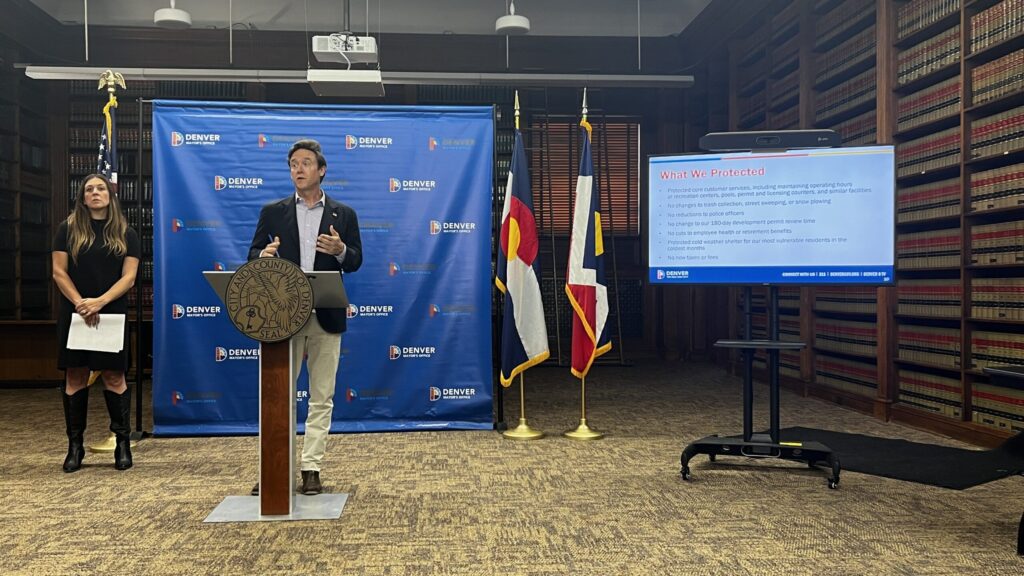
It was a year of big goals on a tight budget for the Mile High City, where Mayor Mike Johnston’s announcement of a $200 million city budget deficit dominated the news coverage. Facing a $50 million gap in its 2025...
PREV
PREVIOUS

Primaries, Lamm to White House and police snafu
35 Years Ago this week in The Colorado Statesman … The race for the chance to challenge U.S. Sen. Gary Hart was heating up. Attorney John Cogswell was the overwhelming choice of state Republican Party county chairs to take on the first-term Democrat, preferred by 36 percent of the chairs surveyed by The Statesman. Former […]
Colorado’s divided house
I’ve only ever served in the majority. Getting used to a split legislature has been an adjustment. Some maintain that having split control is a recipe for success. Extreme policies from both parties inevitably go up in smoke, and what rises from the ashes are good policies that have broad, bipartisan support and appeal. Although […]