

Report: Colorado Access to Justice Commission developing legal self-help website, addressing ‘legal deserts’
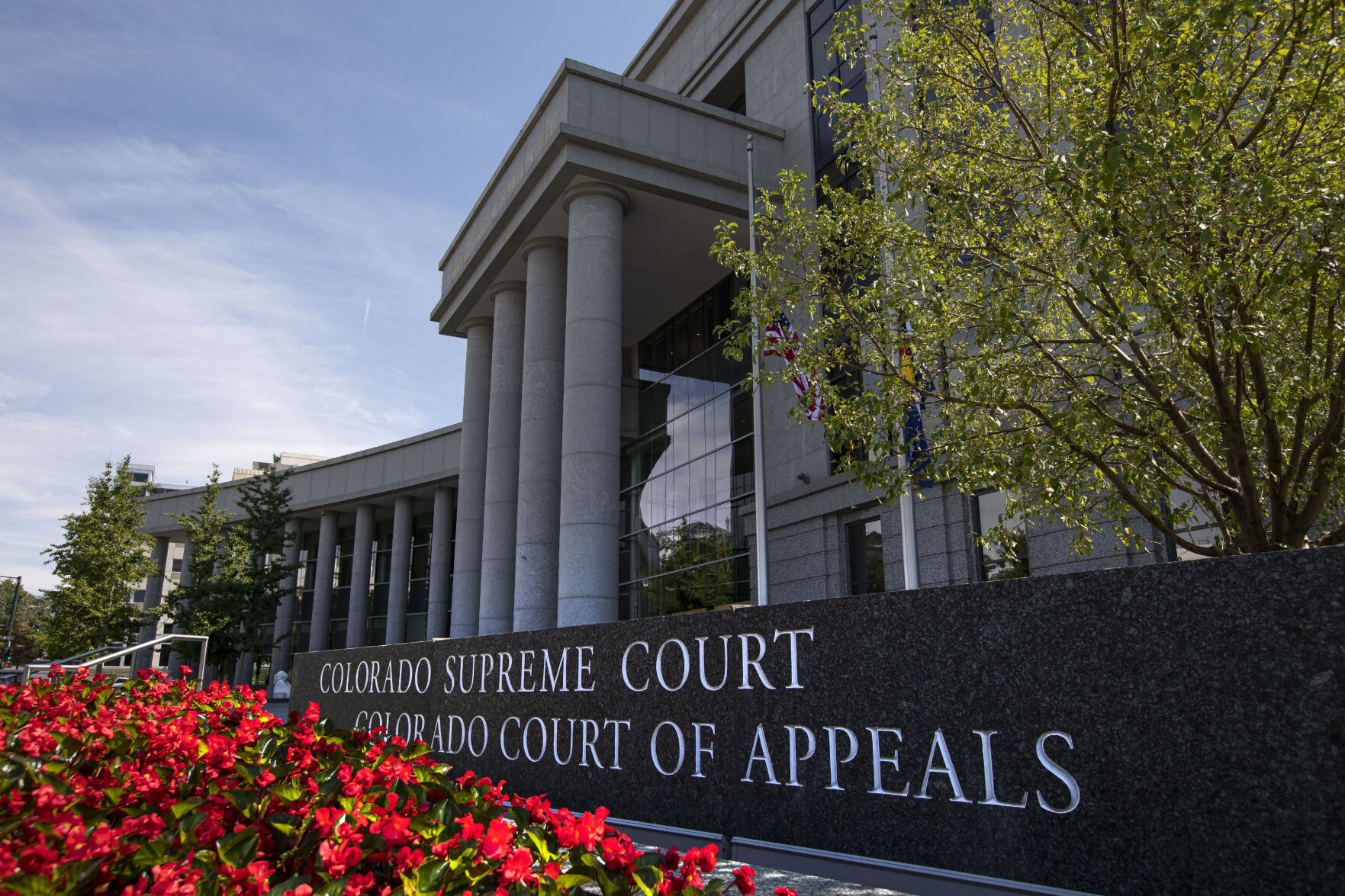
Colorado’s Access to Justice Commission has begun creating a legal self-help portal and secured a grant to help address “legal deserts” in rural Colorado, the commission recently announced in its 2023 year-end report.
The commission, which started in 2003 and advocates for removing barriers to access in the civil justice system, also scored a victory when the General Assembly enacted legislation enshrining the commission in state law last year. That move, according to the 2023 report, signifies the commission is a “policy-advising partner” to elected officials.
“With little or no access to legal help, everyday legal issues are derailing lives. Now more than ever, creative and collaborative solutions are desperately needed,” wrote Elisa Overall, the commission’s executive director, in December.
According to the report, members of the commission and its eight committees volunteered 1,700 hours last year, and law students spent 400 hours learning about access to justice. Approximately 2,500 people received help from various legal clinics across the state.
With the assistance of U.S. Sens. Michael Bennet and John Hickenlooper, the commission received $627,000 in federal grant money aimed at bringing resources to “legal deserts” in rural areas that lack affordable representation.
The commission also received $283,600 to help develop a legal help website where self-represented litigants can access legal tools.
Going forward, the commission announced the formation of a legislative policy committee that will collaborate with lawmakers to enact access-to-justice policies.
The commission’s priorities stemmed in part from a 2021 listening tour that Overall and Justice Melissa Hart conducted. They heard about problems ranging from bewildering court forms, a lack of broadband thwarting the effectiveness of virtual court hearings, the scarcity of lawyers outside metro areas, and the needs of the disabled and non-English speakers being overlooked in existing judicial processes.
Hart, speaking to a group of attorneys in Denver earlier this year, stressed the importance of inviting local leaders to weigh in on access-to-justice hurdles.
“We, sitting here in this room, will not be able to figure out what’s the best way to get someone to a courthouse in Alamosa. It’s not gonna happen,” she said.



Federal judge declines to order Denver to let police critic apply for review board
Michael Karlik
michael.karlik@coloradopolitics.com
Updated 12 hours ago
A federal judge declined on Friday to order that Denver permit a longtime police critic to apply to join the board tasked with reviewing officers’ use of force. Regan Benson sought to become one of the two community members on...
Colorado Supreme Court to hear case on ballot measure disclosure requirements
Marissa Ventrelli
marissa.ventrelli@coloradopolitics.com
Updated 1 day ago
The Colorado Supreme Court has agreed to hear a case challenging whether the state can require ballot measure committees to disclose the names of their registered agents in election communications. The case stems from a complaint filed during the 2020...
Divided 10th Circuit orders pretrial release of defendant facing drug charges
Michael Karlik
michael.karlik@coloradopolitics.com
Updated 1 day ago
The Denver-based federal appeals court overturned a judge’s order keeping a defendant in custody pending trial on Friday, ruling 2-1 that she was entitled to release under the law. Erika Esmeralda Garcia stands accused of two charges related to the...

Judge denies motion from Gov. Jared Polis to dismiss ICE lawsuit from former state employee
Marianne Goodland
marianne.goodland@coloradopolitics.com
Updated 2 days ago
A Denver District Court judge has denied a request by Gov. Jared Polis to dismiss a lawsuit filed by a former state employee over disclosure of information to federal immigration authorities. The lawsuit filed against the governor by Scott Moss,...

Colorado High School Activities Association reaches settlement with D-49, other school districts in trans athletics lawsuit
Eric Young
eric.young@gazette.com
Updated 2 days ago
Months after adopting new policies restricting students to athletic participation based on their biological sex and filing a federal lawsuit, School District 49 and other Colorado school districts have reached a settlement with the Colorado High School Activities Association (CHSAA)...

Trump calls Jared Polis a ‘sleazebag’ for keeping ‘elderly woman’ Tina Peters in jail, governor responds
The Washington Examiner
the-washington-examiner@coloradopolitics.com
Updated 2 days ago
President Donald Trump took to Truth Social on Wednesday to lambast Colorado Gov. Jared Polis over the case involving former Mesa County Clerk Tina Peters, who was sentenced to nine years in prison in 2024 for charges of giving unauthorized...
Federal judge recommends sanctions on plaintiffs for faulty case citations
Michael Karlik
michael.karlik@coloradopolitics.com
Updated 2 days ago
A federal judge recommended that a pair of self-represented plaintiffs be subject to a range of sanctions for including flawed and non-existent case citations in their filings, potentially by using artificial intelligence. “A federal court is not a workshop for...
Federal judge deems Jeffco’s appeal ‘frivolous’ in jail death case
Michael Karlik
michael.karlik@coloradopolitics.com
Updated 2 days ago
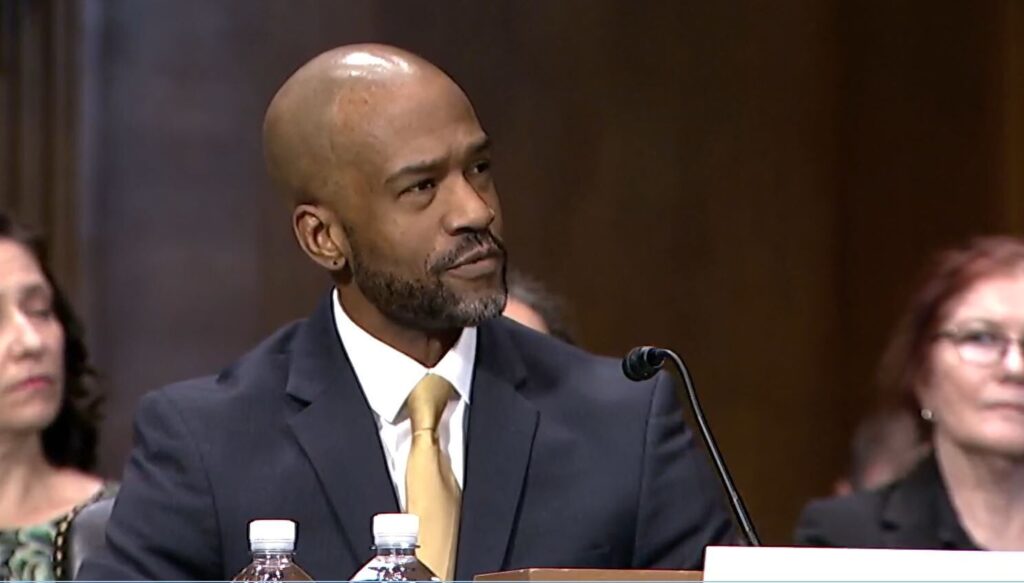
A federal judge declared Jefferson County’s appeal of his evidentiary decision “frivolous” on Thursday, which enables him to continue handling the civil rights litigation even as an appellate court separately addresses the appeal. The order from U.S. District Court Judge...
Cause of death revealed for self-proclaimed Planned Parenthood gunman
Mackenzie Bodell
mackenzie-bodell@coloradopolitics.com
Updated 2 days ago
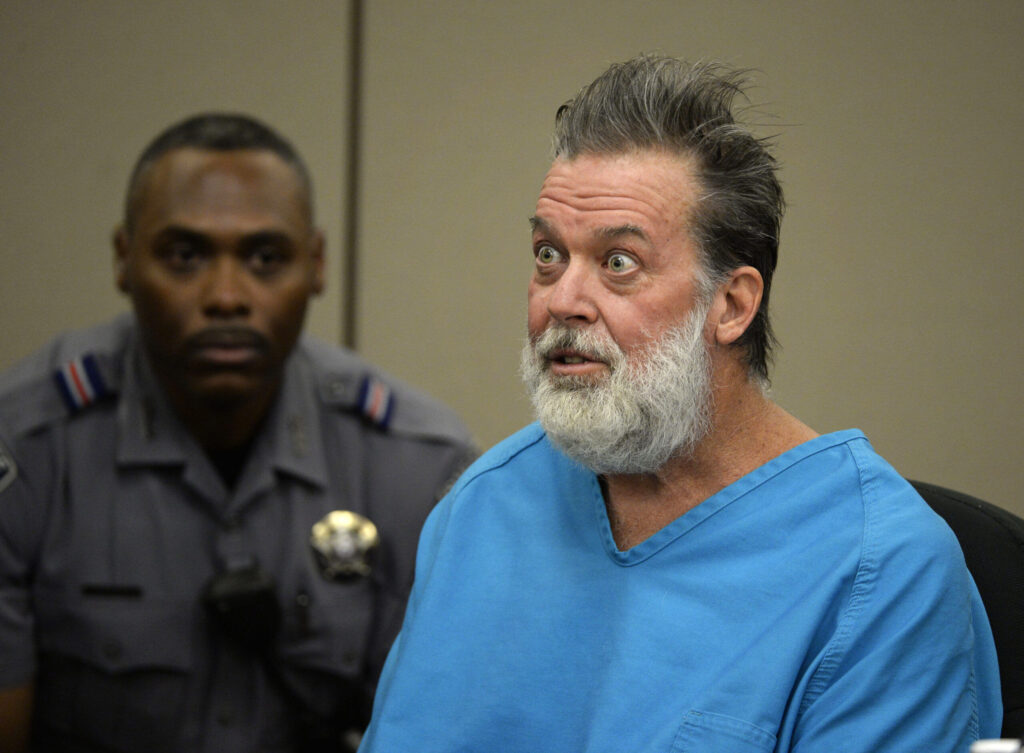
The self-proclaimed gunman in the Planned Parenthood shooting in Colorado Springs in November 2015 died from congestive heart failure and other related medical conditions, the Federal Bureau of Prisons said in a recent court filing. The Federal Bureau of Prisons...
Federal judge lets ex-Castle Rock employee’s discrimination lawsuit proceed
Michael Karlik
michael.karlik@coloradopolitics.com
Updated 3 days ago
A federal judge rejected the town of Castle Rock’s effort to dismiss an ex-employee’s age and gender discrimination lawsuit on Wednesday, while deeming the case a close call. Carl E. Filler, who was in his mid-60s when the town hired...
PREV
PREVIOUS
Colorado senators focus on mental health, illegal firearms, tax incentives in first bills
As the 2024 legislative session got underway on Wednesday afternoon, the Senate released its first 10 bills, signaling lawmakers’ priorities for the new year. From guns and mental health to property taxes, the bills on the Senate’s list aim to tackle several of Colorado’s lingering issues. Commerce City Sen. Dafna Michaelson Jenet and fellow Democrat […]

Denver mayor tells agency heads to ready budget cuts to pay for $180M cost of immigrants
Mayor Mike Johnston warned councilmembers on Tuesday that the city has reached a breaking point with immigrants – who illegally crossed the U.S.-Mexico border – ending up in Denver, a crisis that is now threatening the fiscal health of Colorado’s most populous city. “We do not have space to add more folks that arrive nor do […]