

Rep. Stephanie Vigil’s bill to improve free transit wins committee approval | FOCUS ON THE SPRINGS

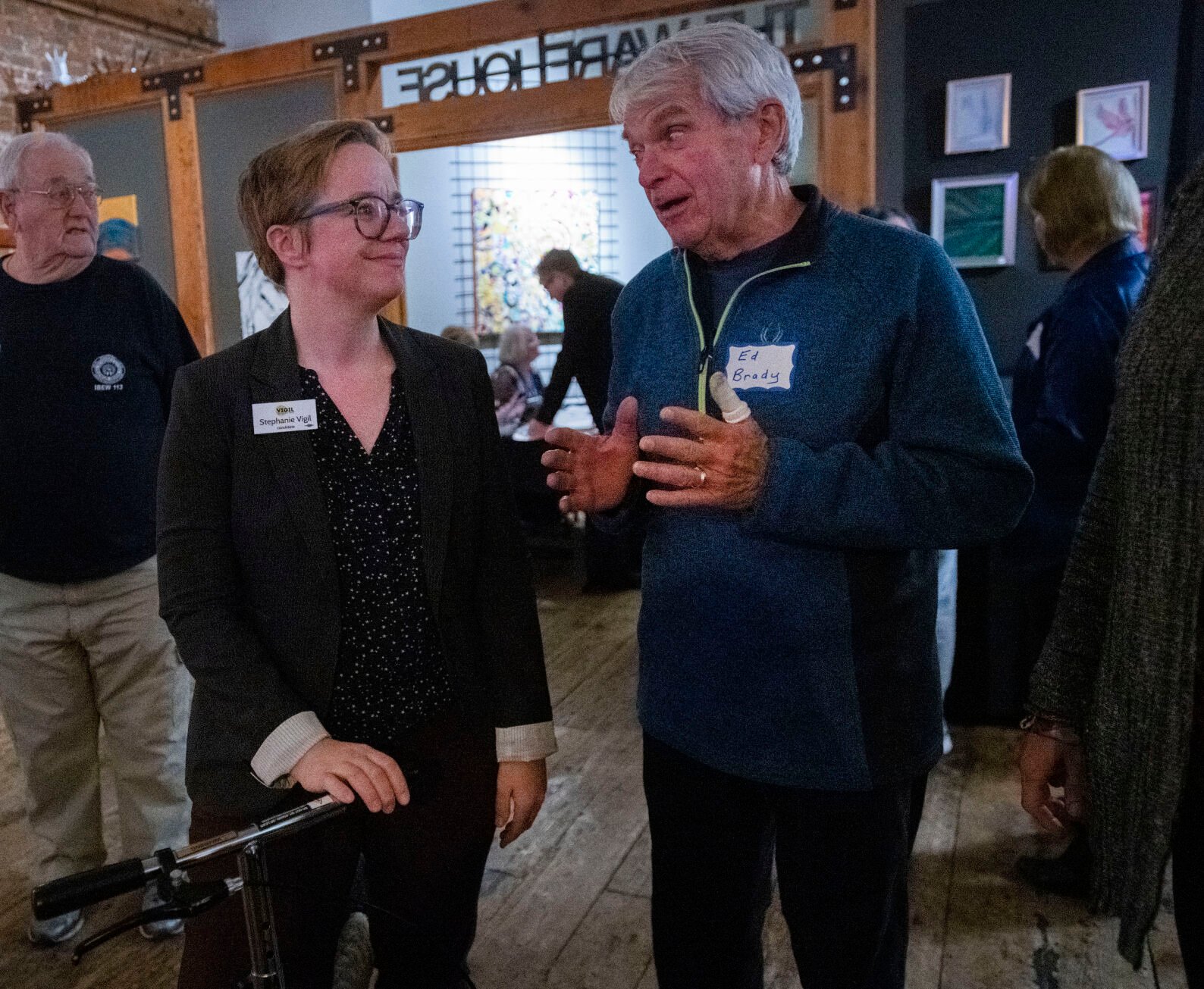
Colorado Springs Democratic Rep. Stephanie Vigil won approval Thursday for her bill that would extend last year’s free transit program, designed to get people out of their cars during high ozone season.
The program, first established under a 2022 bill known as “Zero Fare for Better Air” made transit options – buses throughout the state and light rail along the Front Range – free during the month of August, traditionally part of the metro area’s high ozone watermark.
House Bill 1101 won a party-line 8-3 vote from the House Energy and Environment Committee Thursday. The bill now heads to the full House for review.
Sixteen transit agencies from around the state participated in the 2022 program, according to the Colorado Association of Transit Agencies, although another 17 provide free transit year-round, mostly in mountain communities. The program comes with an annual cost for 2022 and 2023 at $28 million, although not all transit agencies participated, including two of the state’s largest: the Roaring Fork Transportation Authority and Grand Valley Transit, in Grand Junction. A spokesperson for Roaring Fork said they are still evaluating their driver workforce to see if they will participate this year.
Many of the participating transit agencies reported increased ridership during August 2022 compared to August 2021, with Pueblo reporting a 59% increase. Ridership in Colorado Springs went up 62%, said Vigil, who said she is a regular rider.
But ozone season isn’t strictly limited to summer, so the 2023 bill – House Bill 1101 – provides flexibility to transit agencies to designate a different time during the year as their peak ozone season. That’s particularly a problem for the Western Slope, where the worst ozone problems are in the winter, not summer, said Rep. Elizabeth Velasco, D-Glenwood Springs. Her home county of Garfield has earned an “F” for ozone, she said.
The 2023 version doesn’t come with a price tag. The 2022 bill provided for a second year of the program, although the 2023 bill changes some of the grant rules to allow agencies more latitude in how those grants are spent, including rolling over funds into future years to continue the free service or marketing the program to area residents.
The bill was amended to address concerns raised by the Regional Transportation District around continuation of the grant funding.
Rep. Ken DeGraaf, R-Colorado Springs, raised a number of questions about the program’s efficacy and whether it’s accomplishing what taxpayers are paying for. Is this just a good idea to spend money on, or does it actually lower ozone levels in a given community? he asked.
RTD did look into some of those benefits, according to Cindy Copeland, air and climate policy advisor for Boulder County, but looking only at a month doesn’t exactly provide that kind of data.
“Recognizing regional differences in peak ozone seasons, this legislation provides additional flexibility to transit agencies to improve and expand the free rides program this year,” Vigil said in a statement Thursday.
Co-sponsor Rep. Jennifer Bacon, D-Denver, said they were excited to see the significant ridership increases statewide. Strengthening the program “will further reduce passenger car trips, cut down on harmful emissions and support communities by saving passengers money on fares.”

Trump administration seeks to roll back protections for imperiled species | OUT WEST ROUNDUP
The Associated Press
the-associated-press@coloradopolitics.com
Updated 3 days ago
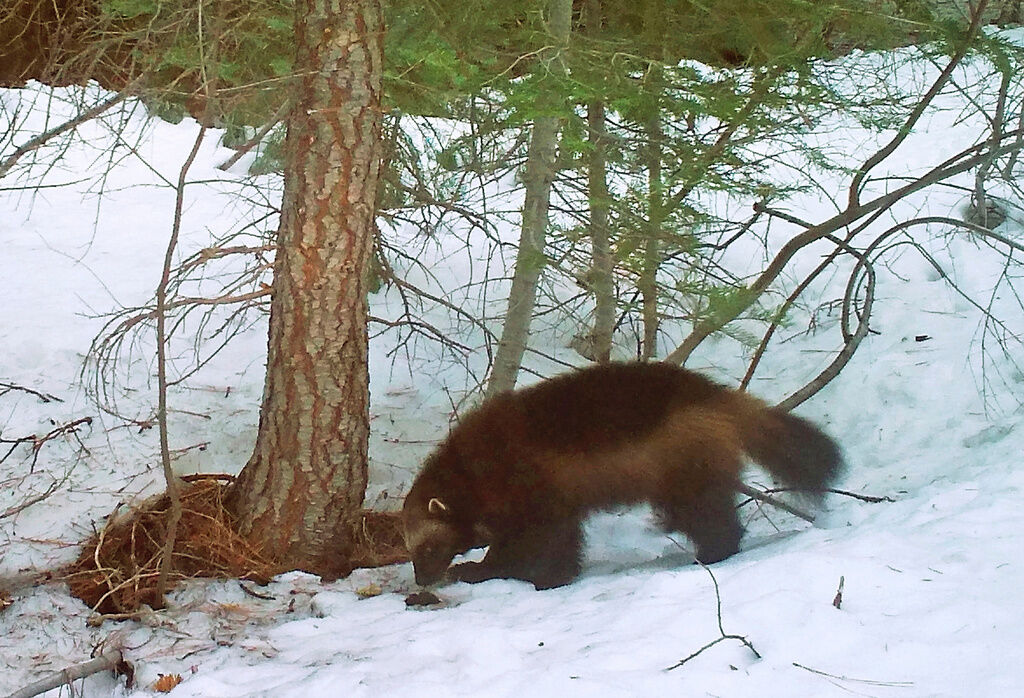
MONTANA Endangered species rollback sought BILLINGS — President Donald Trump’s administration moved on Nov. 19 to roll back protections for imperiled species and the places they live, reviving a suite of changes to Endangered Species Act regulations from the Republican’s...
Clash of the titans: Democratic race for governor pits two candidates similar in focus, but very different in style | Vince Bzdek
Vince Bzdek
vince.bzdek@gazette.com
Updated 11 hours ago
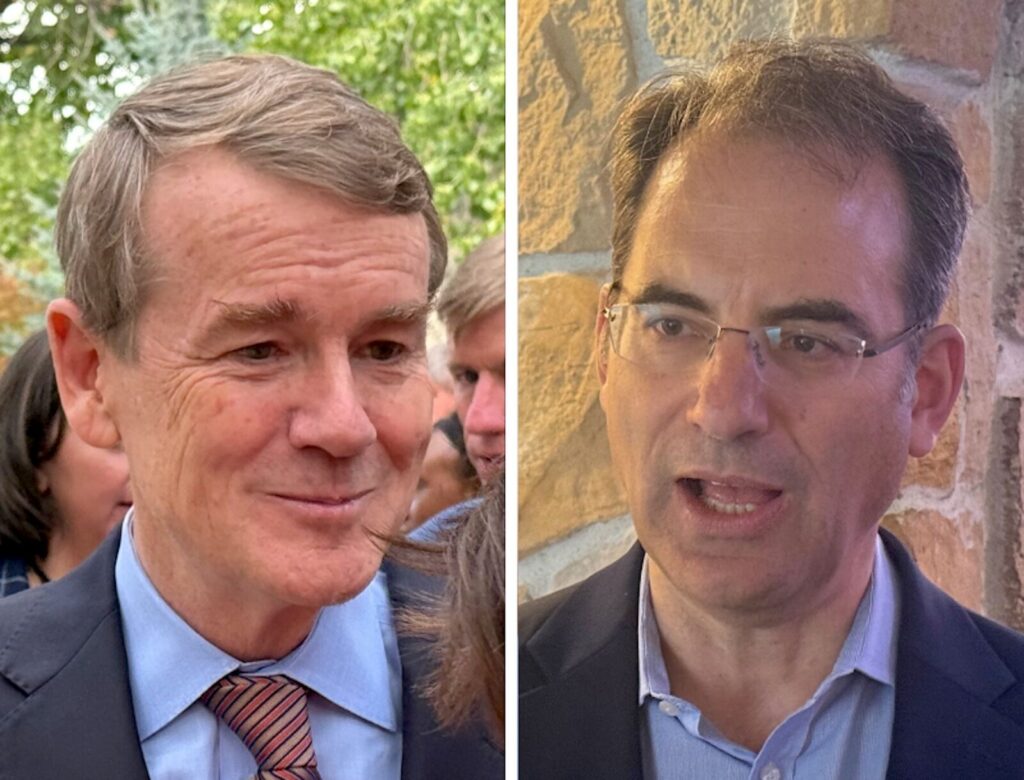
By Vince Bzdek The race for governor is shaping up to be a clash of Democratic titans, U.S. Sen. Michael Bennet and Attorney General Phil Weiser. They are two of Colorado’s highest profile politicians with deep track records who...

Calendar Dec. 8-14
Rachael Wright
rachael.wright@coloradopolitics.com
Updated 4 days ago
CoPo’s weekly political calendar will help you find political and public-policy events throughout Colorado. It includes candidate and issue campaign events, public policy meetings, court hearings, state and local party conventions, assemblies, debates, rallies, parades, speaking engagements, traveling dignitary appearances,...
GOP chair candidates circle Benson, statehouse candidate alleges SOS voter fraud | A LOOK BACK
Rachael Wright
rachael.wright@coloradopolitics.com
Updated 4 days ago
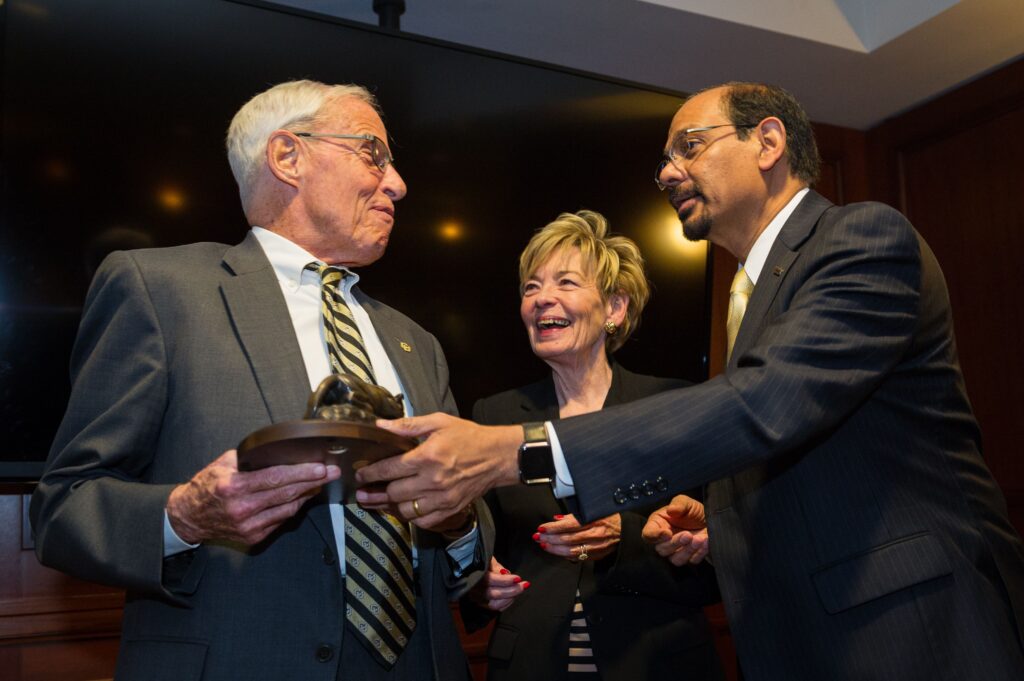
Thirty-Five Years Ago This Week: Although Colorado Republican Party Chairman Bruce Benson had told one of his predecessors that he hadn’t yet made up his mind as to whether he’d run for a third term, party insiders had already begun...
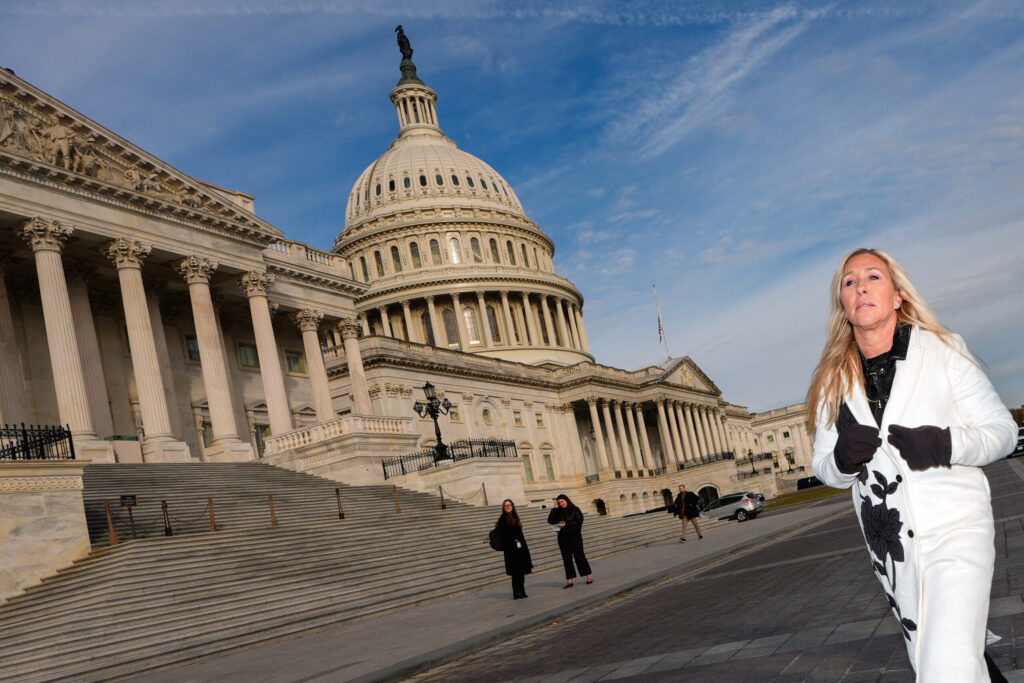
Dear Abby: A better answer to your question | SONDERMANN
Eric Sondermann
eric-sondermann@coloradopolitics.com
Updated 2 days ago
It was the beginning of October. I had been invited to speak to a class on political journalism at Colorado College, my old alma mater. The class was taught by none other than Vince Bzdek, the editor-in-chief of this paper...
Federal judge declines to order Denver to let police critic apply for review board
Michael Karlik
michael.karlik@coloradopolitics.com
Updated 15 hours ago
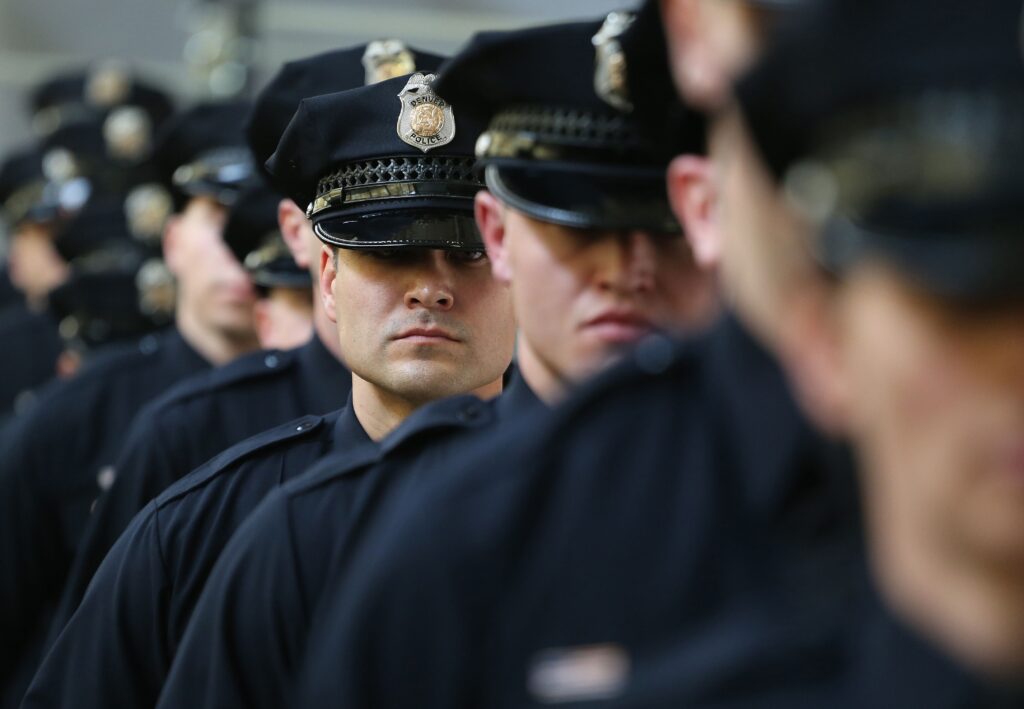
A federal judge declined on Friday to order that Denver permit a longtime police critic to apply to join the board tasked with reviewing officers’ use of force. Regan Benson sought to become one of the two community members on...
Flags lowered, colors raised: Colorado leaders and friends celebrate Sen. Faith Winter’s life
Marianne Goodland
marianne.goodland@coloradopolitics.com
Updated 1 day ago
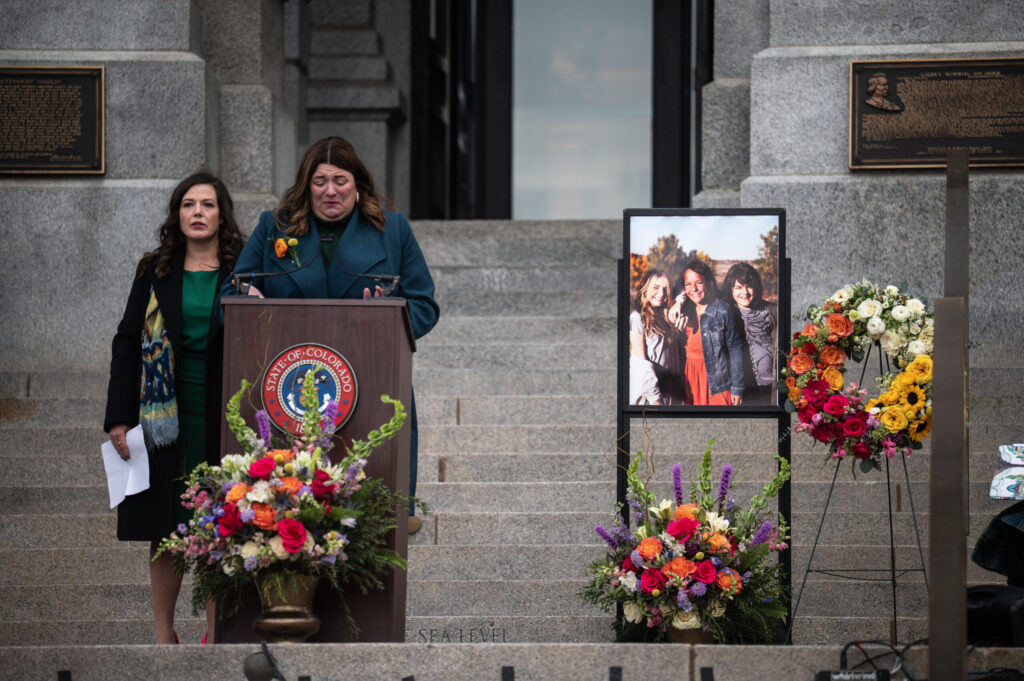
It was the colors that stood out as hundreds braved the cold on Friday to celebrate the life of Sen. Faith Winter, who died in a two-car crash on Nov. 26. Flags at the state Capitol flew at half-staff at...
Colorado Supreme Court to hear case on ballot measure disclosure requirements
Marissa Ventrelli
marissa.ventrelli@coloradopolitics.com
Updated 1 day ago
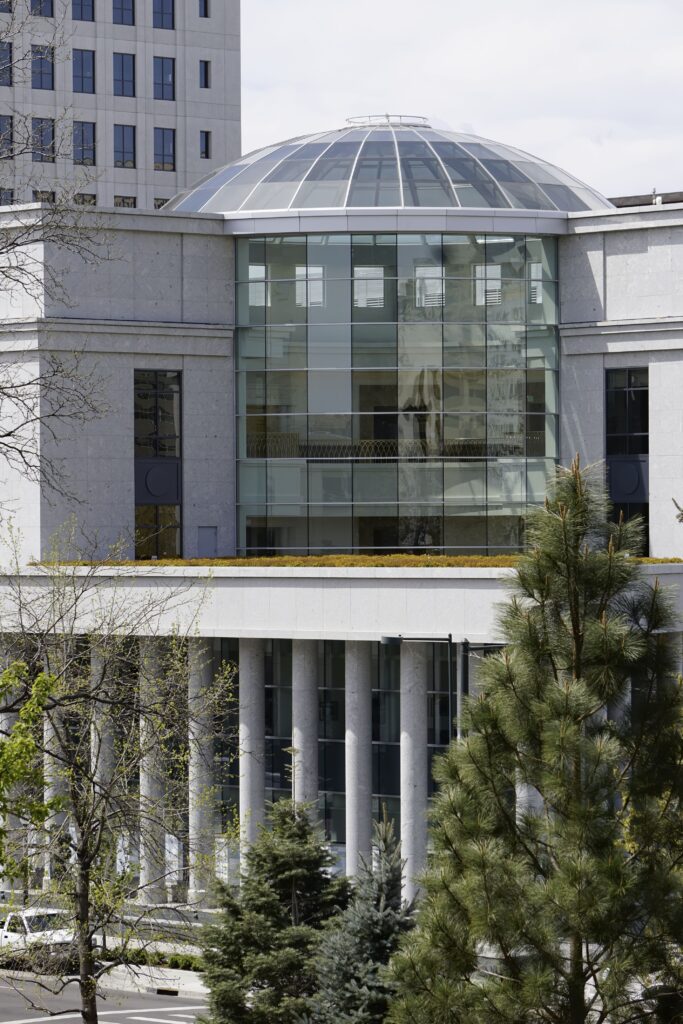
The Colorado Supreme Court has agreed to hear a case challenging whether the state can require ballot measure committees to disclose the names of their registered agents in election communications. The case stems from a complaint filed during the 2020...

Divided 10th Circuit orders pretrial release of defendant facing drug charges
Michael Karlik
michael.karlik@coloradopolitics.com
Updated 1 day ago
The Denver-based federal appeals court overturned a judge’s order keeping a defendant in custody pending trial on Friday, ruling 2-1 that she was entitled to release under the law. Erika Esmeralda Garcia stands accused of two charges related to the...
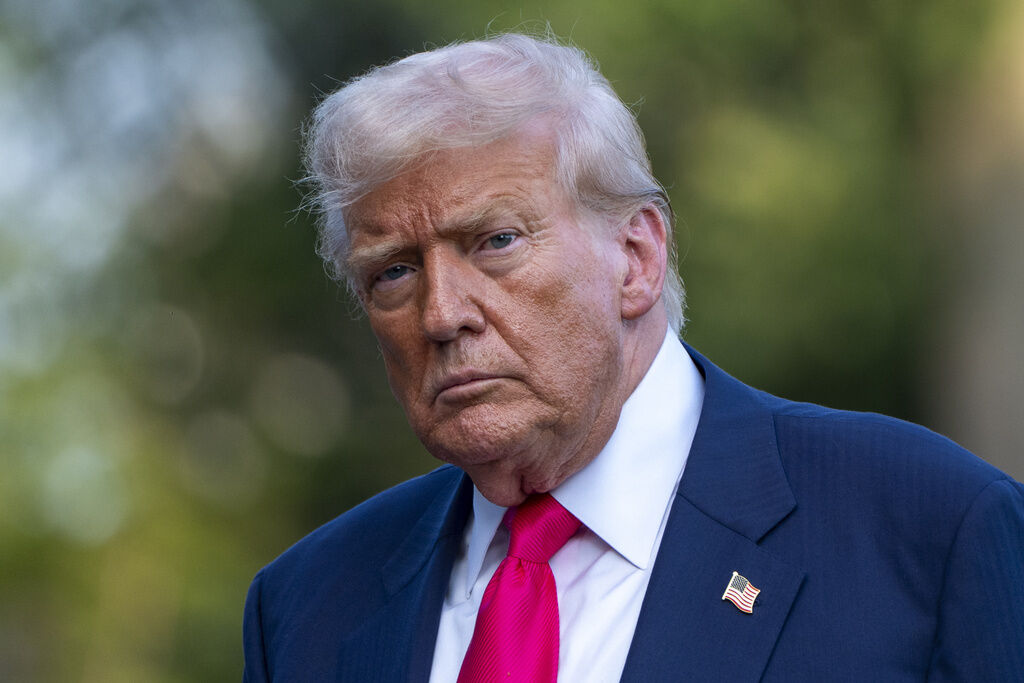
Trump finally gets his peace prize as FIFA hands him inaugural award at World Cup draw
Christian Datoc and Mabinty Quarshie, Washington Examiner
christian.datoc.and.mabinty.quarshie.washington.examiner@gazetteedit.wpenginepowered.com
Updated 2 days ago
President Donald Trump has long said he is unbothered by being snubbed for a Nobel Peace Prize. However, that did not stop his friend and FIFA President Gianni Infantino from handing him an award and a medal on Friday, seemingly created just...
PREV
PREVIOUS
Colorado officials did not notify other cities before sending immigrants their way, emails show
Gov. Jared Polis’ administration intended, but failed, to notify cities in advance of transporting immigrants from Denver out of state, emails obtained by The Denver Gazette show. The emails make clear that the administration knew the immigrants were going to other cities because officials asked the immigrants to verify on a waiver informing intended host […]
'There's a reckoning in history': Colorado historians work to preserve Green Book sites
Painted in black and white, a group of young girls laugh in their swim trunks and caps as they splash around in the cool waters of South Boulder Creek. The year is 1935, and the girls are enjoying the day at a summer camp in the Rockies. The camp, called Camp Nizhoni, is less than […]