

Panel OKs raising minimum age when a child can be criminally charged from 10 to 13
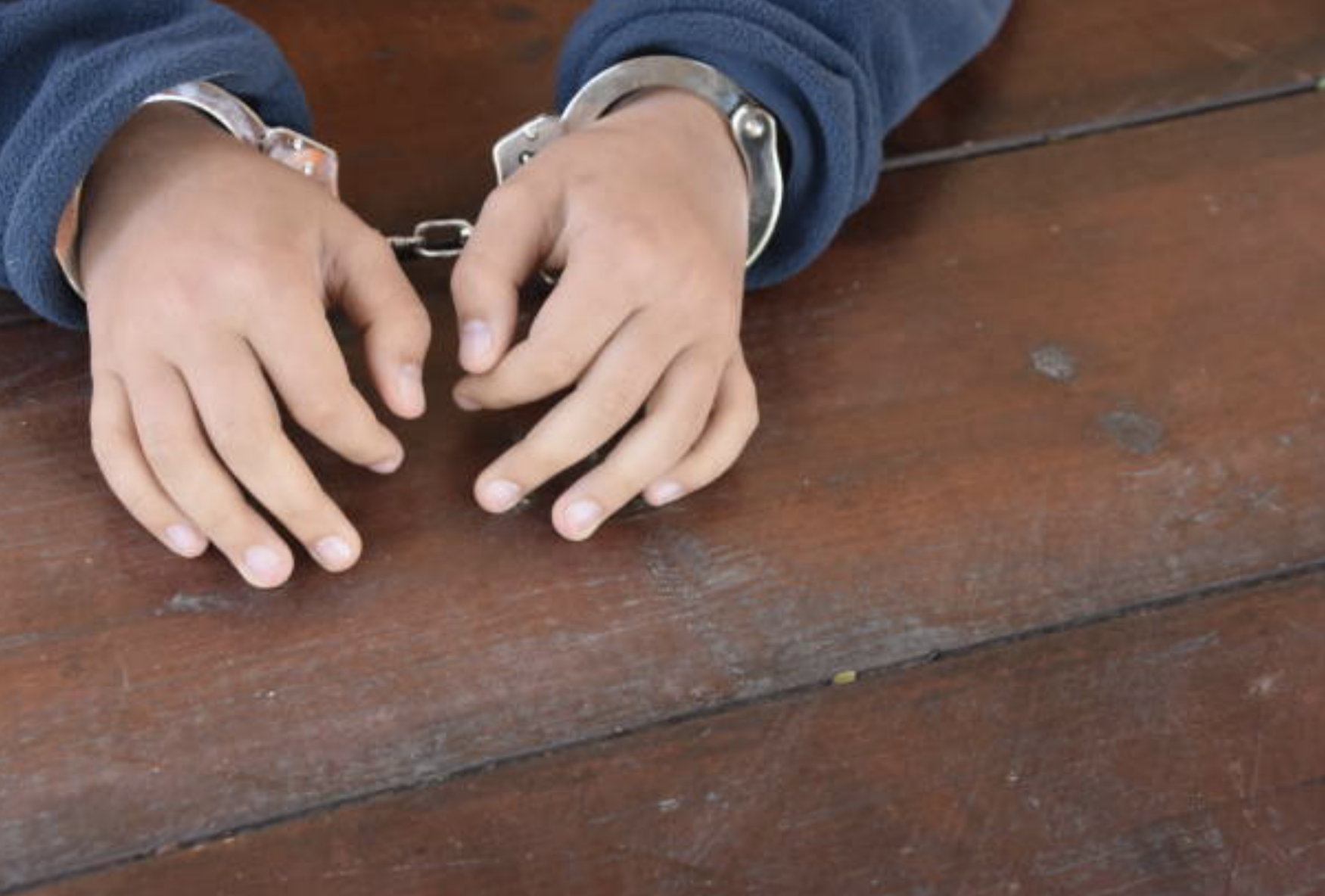
A bill working through the Colorado legislature aims to increase the minimum age a person can be involved in the criminal justice system from 10 to 13 years old, blocking children under 13 from being charged with most crimes.
House Bill 1131 passed its first hurdle Wednesday, receiving approval from the House judiciary committee in a 6-5 vote. If enacted, the bill would remove children aged 10, 11 and 12 from the juvenile court’s jurisdiction and increase the age for prosecution in juvenile court to 13 years old, except when a child is suspected of committing murder or felony sexual assault.
“It is not in the best interest of the child, the family or for our society for young children to be arrested,” said bill sponsor Rep. Serena Gonzales-Gutierrez, D-Denver. “It can be more costly and less effective than alternative interventions and it limits the ability for better situated actors like parents, schools and existing community supports to effectively address childhood behavioral issues.”
Arrested children are more likely to be arrested as adults, less likely to graduate high school, more likely to be unemployed and face a higher risk of violence and sexual abuse while in detention, Gonzales-Gutierrez said. Children of color are also arrested at disproportionately high rates. From 2012 to 2020, Black children made up less than 7% of Colorado’s 10 to 12 year old population, but made up 20% of those detained, according to state data.
Rep. Jennifer Bacon, the bill’s other sponsor, said the criminal justice system is too frequently used to punish children for normal behavior. Bacon used to teach fifth grade and said her school’s principal instructed her to call the police if her students wouldn’t stop running in the halls.
“We are traumatizing children by having them be serviced by the criminal justice system,” Bacon, D-Denver, said. “I later went on to be a seventh-grade teacher in another part of the country, and we actually had a button on the wall to call the police if a student ‘got too unruly.'”
The bill would also increase the minimum age when a juvenile can be tried as an adult from 12 to 14 years old.
Panel members were split mostly along party lines Wednesday, with Democrats in support and Republicans in opposition. The latter argued that the bill should not cover serious crimes. The panel voted down two Republican-backed amendments that would have provided exemptions for all violent crime and all unlawful sexual offenses.
Many in law and law enforcement also spoke strongly against the bill. Lakewood Judge Corin Flannigan raised concerns that children aged 10 to 12 would be able to seriously injure someone, bring a gun to school or commit motor vehicle theft or robbery without consequences.
“There are some charges that children commit between the ages of 10 and 12 that are very serious in nature that cause harm to the community around them and, if this bill passed, they would not be prosecuted or held accountable,” Flannigan said. “The juvenile justice system serves a purpose for community safety and for ensuring rehabilitation so kids don’t come back in the system.”
Flannigan and others critics said that, when children enter the criminal justice system, courts are able to mandate rehabilitation, such as therapy and treatment, to get the children the help they need. However, supporters argued that children should not have to face the trauma and potentially life-altering consequences of an arrest to access help.
The bill would continue to allow children aged 10 to 12 at risk of criminal behavior to be eligible for alternative state services, as well as allow victims of crimes committed by children aged 10 to 12 years old to be eligible for victim compensation and services.
Deputy District Attorney Daniel Steinhauser spoke of a case he worked in Eagle County last year in which two 12-year-olds and a 13-year-old burglarized a family-owned firearm store, stealing five handguns.
“We are emerging out of a pandemic era with a youth mental health crisis never seen before, violent crime on the rise and kids committing crimes at younger ages,” Steinhauser said. “Now is not the time, in the wake of these factors, to give up on the criminal justice system for this group of youths. It is time for the justice system to be allowed to step up.”
In Colorado, an average of 525 children between 10 and 12 years old are charged with crimes each year, according to state estimates. Of those, around three are charged with felonies, 64 are charged with misdemeanors, 446 are charged with juvenile delinquency and 12 are charged with traffic offenses. The average length of stay in Colorado’s juvenile detention centers is 17 months, according to state data.
For those who end up in juvenile detention centers, the process can be traumatic, supporters of the bill said, adding the children are often handcuffed, shackled, strip searched and exposed to older juveniles who are much more violent.
One of those children was 10-year-old Terrence Moore. Now 23, Moore said he used to carry a knife while walking to school on Colfax Avenue because he was afraid of the people using and selling drugs along the street. One day, Moore forgot to put the knife in his backpack when he got to school, and it fell out of his pocket while he was playing. Moore said he was arrested and spent six months in custody, during which time he witnessed frequent fights and was taught about drug dealing.
“When I finally got out, I was a different person,” Moore said, adding that he immediately purchased drugs to see if he’d be able to sell them. “I saw the world through the eyes of those guys on the inside. … I wish I had never been sent to jail. I should’ve been sent home. I should’ve been seen as a young kid who needed help. I should’ve been able to go back to my mom.”
Bill supporters argued that even children who commit serious crimes should not be detained, saying it causes more harm and doesn’t address the root issue of the bad behavior, which they said is often abuse or neglect. One study found that up to 90% of people in the juvenile justice system have experienced trauma, including high rates of physical or sexual abuse.
During the community hearing for the bill, several elementary school students from the youth organization Girls Inc. testified.
“It is unfair to arrest 10 year olds. It might just be who they are, or they don’t know what is right and wrong,” said 9-year-old Sophia from Lakewood, who will turn 10 in April. “I think a good consequence is do the dishes for a month or fold the laundry for a month.”
If enacted, the bill would not go into effect until January 2024. During this time, a task force would be created to develop and release recommendations regarding how to service children aged 10 to 12 years old who would previously receive mandatory care through the criminal justice system.

Higher home values, abatements to push DPS tax bills up in 2025
Nico Brambila
nico.brambila@denvergazette.com
Updated 4 hours ago
Denver homeowners will pay more in school taxes next year even though Denver Public Schools (DPS) slightly lowered its overall tax rate. The increase is being driven by rising assessed home values, a full 52.142-mill levy and a dramatic increase...

Trump administration announces $12 billion soybean aid package
RACHAEL WRIGHT Special to The Gazette
rachael-wright-special-to-the-gazette@coloradopolitics.com
Updated 6 hours ago
President Donald Trump and Secretary of Agriculture Brooke Rollins announced Monday that the administration was planning to disburse a $12 billion dollar aid package as part of the Farmer Bridge Assistance (FBA) Program, to make targeted, one-time payments to crop...
Federal judge rejects Tina Peters’ request for release pending appeal
Michael Karlik
michael.karlik@coloradopolitics.com
Updated 7 hours ago
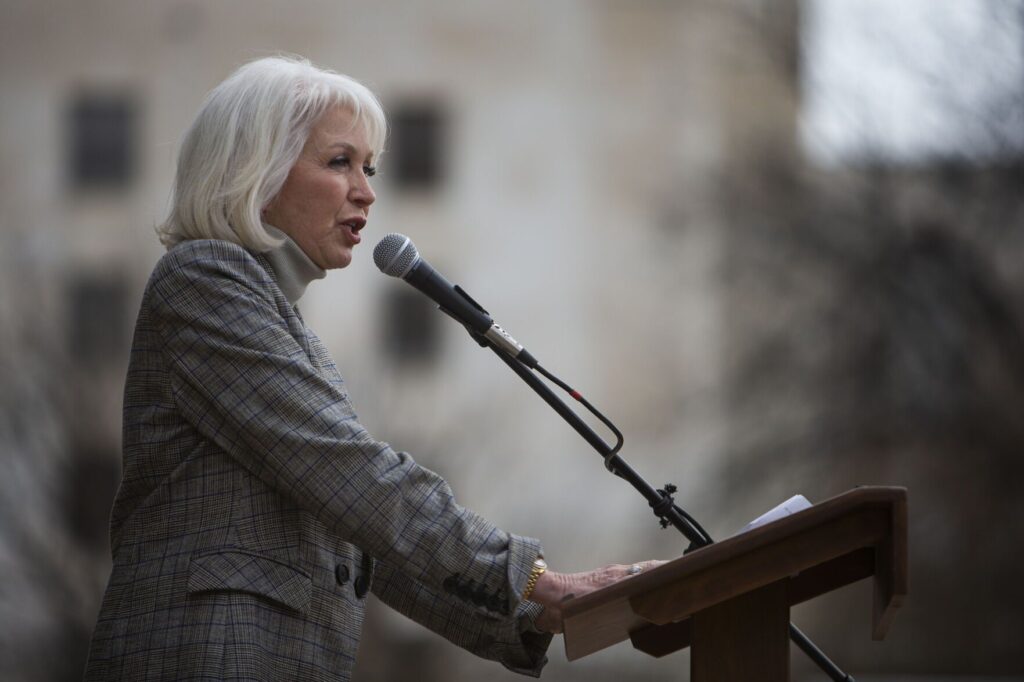
A federal judge rejected the petition of former Mesa County clerk Tina Peters on Monday to be released from incarceration pending the resolution of her criminal appeal. Chief U.S. Magistrate Judge Scott T. Varholak wrote in a Dec. 8 order...

Colorado justices lay down framework for analyzing defamation lawsuits involving ‘public interest’ issues
Michael Karlik
michael.karlik@coloradopolitics.com
Updated 9 hours ago
The Colorado Supreme Court clarified on Monday how judges should evaluate whether lawsuits arising from a person’s speech — in particular, online consumer reviews — are connected to an “issue of public interest” and merit protection from legal liability. As...
Federal judge rejects DPS’ attempt to obtain 9News sourcing documents in First Amendment case
Michael Karlik
michael.karlik@coloradopolitics.com
Updated 10 hours ago
A federal judge rejected Denver Public Schools’ attempt on Monday to obtain documents from 9News related to its interview with a former principal who alleges his termination amounted to a constitutional violation. At the same time, the attorney for plaintiff...

Audit finds major gaps in Colorado’s oil and gas reporting, enforcement
Marissa Ventrelli
marissa.ventrelli@coloradopolitics.com
Updated 9 hours ago
The agencies responsible for regulating Colorado’s oil and gas industry are underperforming when it comes to reporting and enforcement and they also failed to collect payments amounting to hundreds of thousands of dollars in lost revenue, according to a state...

Colorado Gives Foundation turns 50 during giving season
Kyla Pearce
kyla.pearce@gazette.com
Updated 14 hours ago
Colorado Gives Day is Tuesday. The Colorado Gives Foundation, which started as a small hospital fundraising group and has grown into a statewide nonprofit, is celebrating its 50th anniversary shortly after Giving Tuesday. Colorado Gives Day, which was created by...

Colorado Democrat Julie Gonzales launches U.S. Senate primary challenge to incumbent John Hickenlooper
Ernest Luning
ernest.luning@coloradopolitics.com
Updated 6 hours ago
Declaring that Colorado “needs a fighter, not a bystander,” state Sen. Julie Gonzales, a Denver Democrat, on Monday launched her long-anticipated primary challenge to U.S. Sen. John Hickenlooper. Pitching her campaign as a departure from “old-playbook politics,” Gonzales said she’s...

Democrat Shannon Bird to step down from Colorado legislature to campaign full-time for Congress
Ernest Luning
ernest.luning@coloradopolitics.com
Updated 14 hours ago
State Rep. Shannon Bird, a Westminster Democrat, said Sunday that she plans to resign from the Colorado legislature next month in order to focus on running for the 8th Congressional District seat held by Republican U.S. Rep. Gabe Evans. Bird...

Trump administration seeks to roll back protections for imperiled species | OUT WEST ROUNDUP
The Associated Press
the-associated-press@coloradopolitics.com
Updated 5 days ago
MONTANA Endangered species rollback sought BILLINGS — President Donald Trump’s administration moved on Nov. 19 to roll back protections for imperiled species and the places they live, reviving a suite of changes to Endangered Species Act regulations from the Republican’s...
PREV
PREVIOUS

State sets price of 'Keep Colorado Wild' state park pass at $29
Outdoors and state park enthusiasts, rejoice! The Colorado Parks and Wildlife Commission on Wednesday set a price of $29 for the Keep Colorado Wild annual state park pass. The pass is the result of Senate Bill 21-249, which added an annual state parks pass onto motor vehicle registration and renewal of license plates beginning Jan. […]

Experts, candidates testify in lawsuit attempting to block Colorado campaign contribution limits
A collection of former and current Republican candidates testified in federal court on Wednesday about the struggles they faced running campaigns with Colorado’s constitutionally-mandated contribution limits in an attempt to convince a judge to block the enforcement of those caps heading into the 2022 election. At the same time, the Colorado Attorney General’s Office questioned […]