

Judge tosses challenge from environmental groups to halt Denver Water reservoir expansion

A federal judge has thrown out a legal action from multiple environmental organizations seeking to halt the expansion of a key Denver Water storage facility, citing no legal authority to address the challenge.
“This decision is an important step,” said Todd Hartman, a spokesperson for Denver Water. “We will continue working earnestly through Boulder’s land-use process and look forward to beginning work on a project critical to water security for 1½ million people and to our many partners on the West Slope and Front Range.”
The expansion of Gross Reservoir in Boulder County is intended to provide additional water storage and safeguard against future shortfalls during droughts. The utility currently serves customers in Denver, Jefferson, Arapahoe, Douglas and Adams counties. In July 2020, the Federal Energy Regulatory Commission gave its approval for the design and construction of the reservoir’s expansion. The project would add 77,000 acre-feet of water storage and 131 feet to the dam’s height for the utility’s “North System” of water delivery.
FERC’s approval was necessary because Denver Water has a hydropower license through the agency, and it provided the utility with a two-year window to start construction.
A coalition of environmental groups filed a petition in U.S. District Court for Colorado against the U.S. Army Corps of Engineers and the U.S. Fish and Wildlife Service, seeking to rescind those agencies’ previous authorizations for the project. They argued the agencies inadequately considered the environmental impact of expansion.
According to their petition, hazardous activities related to the project would allegedly include “around-the-clock construction activities for at least four years; creating constant safety and health hazards from heavy truck traffic, associated dust, and air and noise pollution; and compromising the quality of life of thousands of landowners, residents, and visitors drawn to the South Boulder Creek area for the quiet, solitude, and scenic beauty that now exist.”
The groups suing to stop the reservoir expansion included Save the Colorado, The Environmental Group, WildEarth Guardians, Living Rivers, Waterkeeper Alliance and the Sierra Club. They also argued Denver Water’s projections for water demand were “vastly overstated,” and that the entire project failed to account for climate change.
However, the Denver Water pointed out that under federal law, appellate courts, not district-level trial courts, are responsible for hearing challenges to FERC approvals. By challenging the environmental review process that led to the project’s go-ahead, the government argued, the environmental organizations raised issues “inescapably intertwined with FERC’s licensing process.”
On Wednesday, U.S. District Court Judge Christine M. Arguello agreed that the groups’ challenge was indeed wrapped up in the FERC approval.
“[W]here a party does not challenge a FERC order itself, but challenges another agency order that is inextricably linked to the FERC order, the FPA’s exclusive-jurisdiction provision applies and precludes this Court from exercising jurisdiction,” she wrote in dismissing the case.
The Daily Camera reports that Boulder County’s approval is the final step for the expansion project.
“We are disappointed by the court’s decision. The dam and diversion project at issue in this case will steal even more water from the Colorado River and result in the tallest dam in the state of Colorado,” said Jen Pelz, program director at WildEarth Guardians. “We believe that the critical issues raised in our litigation must be resolved on the merits to ensure that people and the environment are not harmed.”
William S. Eubanks II, an attorney representing the environmental organizations, said he was considering all options going forward.
The case is Save the Colorado et al. v. Semonite et al.


Federal judge declines to order Denver to let police critic apply for review board
Michael Karlik
michael.karlik@coloradopolitics.com
Updated 27 minutes ago
A federal judge declined on Friday to order that Denver permit a longtime police critic to apply to join the board tasked with reviewing officers’ use of force. Regan Benson sought to become one of the two community members on...
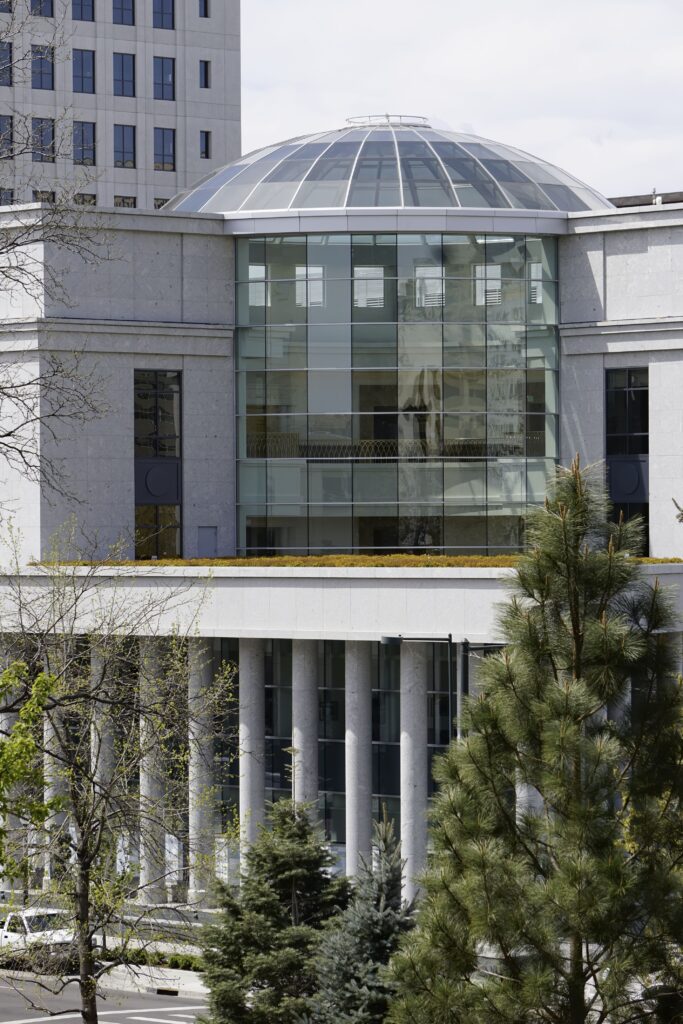
Colorado Supreme Court to hear case on ballot measure disclosure requirements
Marissa Ventrelli
marissa.ventrelli@coloradopolitics.com
Updated 2 days ago
The Colorado Supreme Court has agreed to hear a case challenging whether the state can require ballot measure committees to disclose the names of their registered agents in election communications. The case stems from a complaint filed during the 2020...
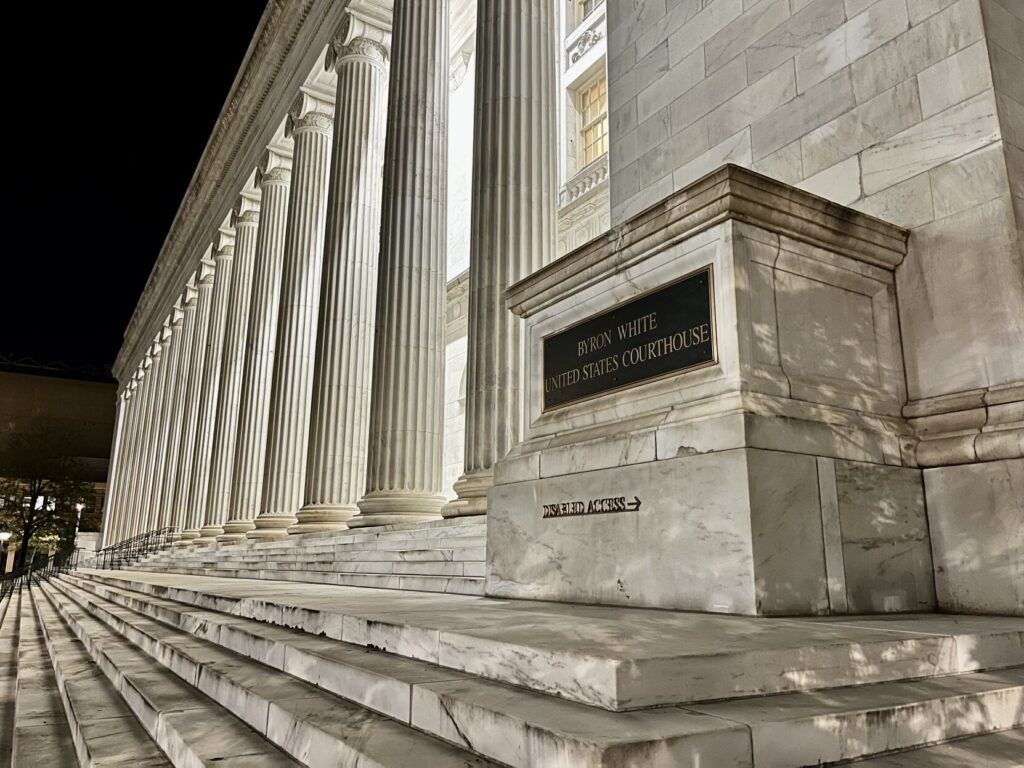
Divided 10th Circuit orders pretrial release of defendant facing drug charges
Michael Karlik
michael.karlik@coloradopolitics.com
Updated 2 days ago
The Denver-based federal appeals court overturned a judge’s order keeping a defendant in custody pending trial on Friday, ruling 2-1 that she was entitled to release under the law. Erika Esmeralda Garcia stands accused of two charges related to the...

Judge denies motion from Gov. Jared Polis to dismiss ICE lawsuit from former state employee
Marianne Goodland
marianne.goodland@coloradopolitics.com
Updated 3 days ago
A Denver District Court judge has denied a request by Gov. Jared Polis to dismiss a lawsuit filed by a former state employee over disclosure of information to federal immigration authorities. The lawsuit filed against the governor by Scott Moss,...

Colorado High School Activities Association reaches settlement with D-49, other school districts in trans athletics lawsuit
Eric Young
eric.young@gazette.com
Updated 2 days ago
Months after adopting new policies restricting students to athletic participation based on their biological sex and filing a federal lawsuit, School District 49 and other Colorado school districts have reached a settlement with the Colorado High School Activities Association (CHSAA)...

Trump calls Jared Polis a ‘sleazebag’ for keeping ‘elderly woman’ Tina Peters in jail, governor responds
The Washington Examiner
the-washington-examiner@coloradopolitics.com
Updated 3 days ago
President Donald Trump took to Truth Social on Wednesday to lambast Colorado Gov. Jared Polis over the case involving former Mesa County Clerk Tina Peters, who was sentenced to nine years in prison in 2024 for charges of giving unauthorized...
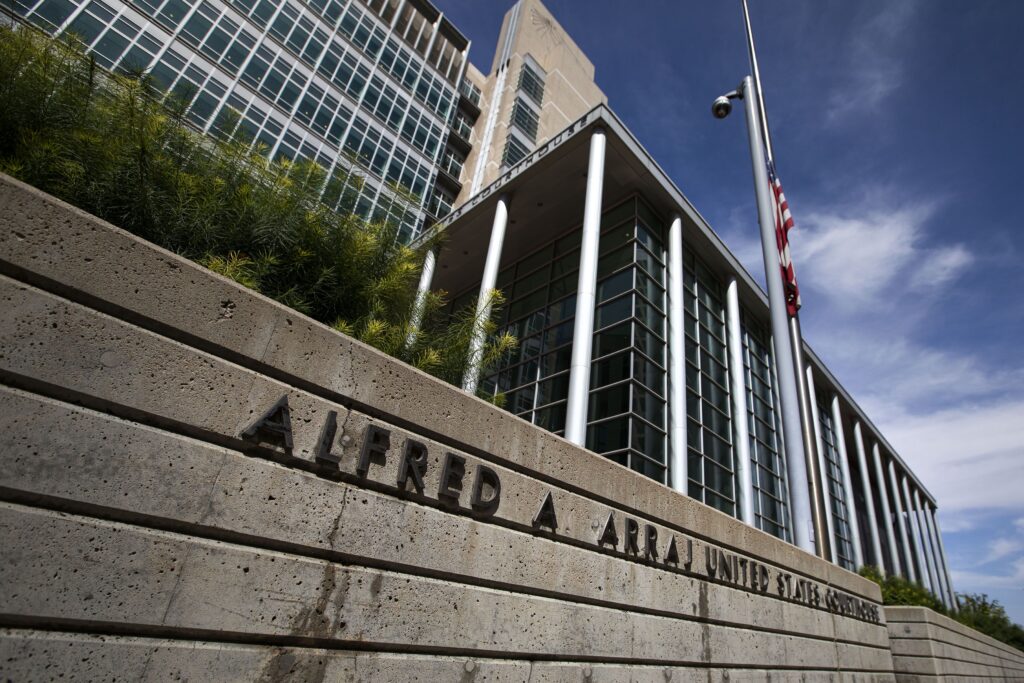
Federal judge recommends sanctions on plaintiffs for faulty case citations
Michael Karlik
michael.karlik@coloradopolitics.com
Updated 28 minutes ago
A federal judge recommended that a pair of self-represented plaintiffs be subject to a range of sanctions for including flawed and non-existent case citations in their filings, potentially by using artificial intelligence. “A federal court is not a workshop for...
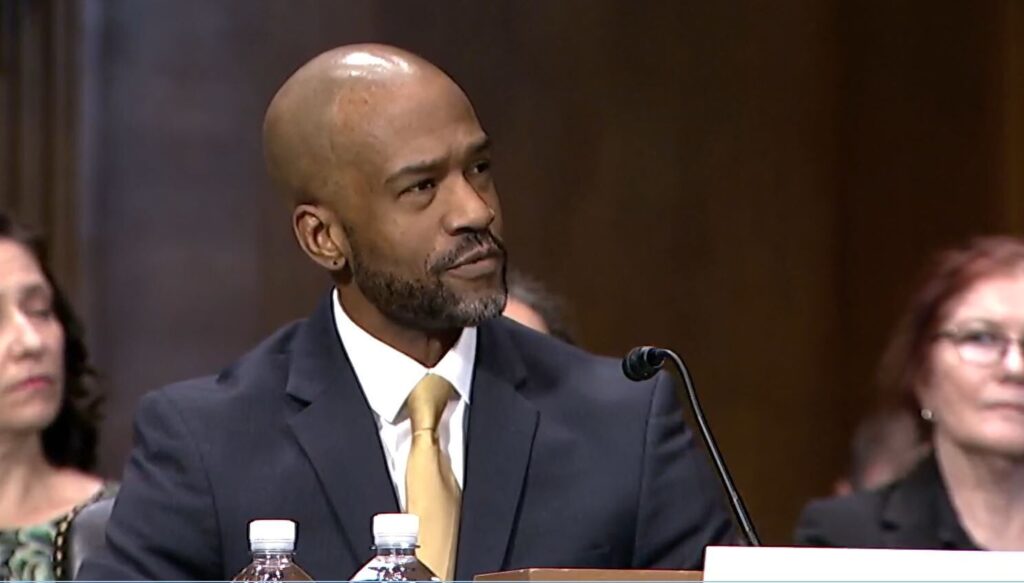
Federal judge deems Jeffco’s appeal ‘frivolous’ in jail death case
Michael Karlik
michael.karlik@coloradopolitics.com
Updated 3 days ago
A federal judge declared Jefferson County’s appeal of his evidentiary decision “frivolous” on Thursday, which enables him to continue handling the civil rights litigation even as an appellate court separately addresses the appeal. The order from U.S. District Court Judge...

Cause of death revealed for self-proclaimed Planned Parenthood gunman
Mackenzie Bodell
mackenzie-bodell@coloradopolitics.com
Updated 3 days ago
The self-proclaimed gunman in the Planned Parenthood shooting in Colorado Springs in November 2015 died from congestive heart failure and other related medical conditions, the Federal Bureau of Prisons said in a recent court filing. The Federal Bureau of Prisons...
Federal judge lets ex-Castle Rock employee’s discrimination lawsuit proceed
Michael Karlik
michael.karlik@coloradopolitics.com
Updated 4 days ago
A federal judge rejected the town of Castle Rock’s effort to dismiss an ex-employee’s age and gender discrimination lawsuit on Wednesday, while deeming the case a close call. Carl E. Filler, who was in his mid-60s when the town hired...
PREV
PREVIOUS

Appeals court finds Rio Blanco sheriff's employees not liable in jail suicide
Rio Blanco County sheriff’s employees did not unconstitutionally ignore the risk of suicide to a woman who died inside the county jail in 2016, the federal appeals court based in Denver has ruled. Although there were allegations the employees failed to check on Catherine Rowell hourly, as the policy manual required, “the officers’ failure to […]

COURT CRAWL | Colorado loses 2 justices, police immunity decision causes outcry
Welcome to Court Crawl, Colorado Politics’ roundup of news from the third branch of government. This week, we say goodbye to two trailblazing justices and take note of several consequential decisions from the federal courts. Hail to the Chief > The first woman to be chief justice of the Colorado Supreme Court, Mary Mullarkey, died […]