

Denver makes policy strides to improve communities’ health and quality of life, new report finds

Denver is being recognized as one of the country’s 40 largest cities to have adopted policies that improve people’s quality of life, well-being and health, according to a new report by CityHealth, an initiative of the de Beaumont Foundation and Kaiser Permanente.
For the last three years, CityHealth has published an annual report evaluating U.S. cities on the number and power of their policies that show a commitment to healthy communities using gold, silver and bronze medals.
Denver, along with five other cities, saw promotions to “Silver Medal” status in the latest report. The upgrade comes in the wake of a bill signed into law by Mayor Michael Hancock in October that boosted the tobacco product purchasing age from 18 to 21.
The city was assigned “Gold Medal” status in the areas of Tobacco 21, Smoke-Free Indoor Air and Safe Alcohol Sales. Denver joins at least 18 states and more than 500 other U.S. cities and towns – including at least eight in Colorado – that have raised the minimum age to buy tobacco to 21, according to the national nonprofit Campaign for Tobacco-Free Kids.
“By focusing on policies that improve equity, well-being, and quality of life, we are building resiliency in our communities and contributing to healthier lives,” Hancock said in a statement. “I am proud that CityHealth is recognizing Denver for our thoughtful policy work.”
The city also silver medal status in the areas of Complete Streets and Healthy Food Procurement, and bronze medal status in affordable housing and high quality, accessible pre-kindergarten.
“CityHealth’s goal is that all city leaders will use this assessment as a tool to work together and move toward the gold standard for each policy,” the report stated. “CityHealth provides these data as an accountability framework and gives residents, policy-makers and community leaders the tools to drive health improvements in their cities.”
“We are proud to have made such remarkable progress as a health-positive city,” said Robert McDonald, executive director of the Denver Department of Public Health & Environment. “While we have made significant strides, we acknowledge that the work must continue to give every resident an equitable chance for a healthier, more vibrant life.”


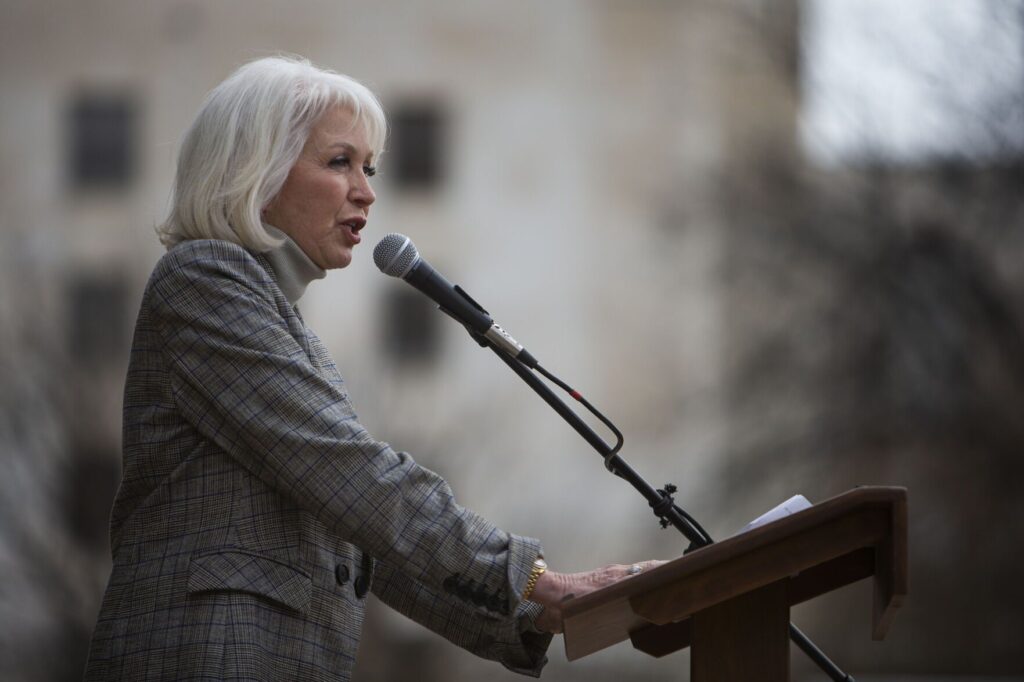
Federal judge rejects Tina Peters’ request for release pending appeal
Michael Karlik
michael.karlik@coloradopolitics.com
Updated 2 minutes ago
A federal judge rejected the petition of former Mesa County clerk Tina Peters on Monday to be released from incarceration pending the resolution of her criminal appeal. Chief U.S. Magistrate Judge Scott T. Varholak wrote in a Dec. 8 order...
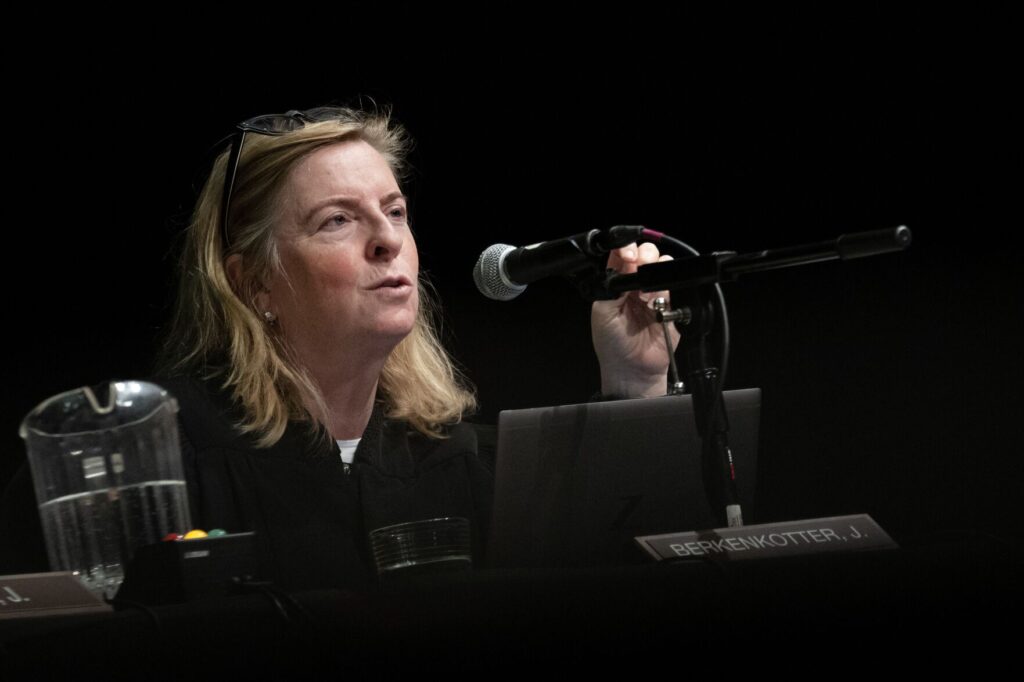
Colorado justices lay down framework for analyzing defamation lawsuits involving ‘public interest’ issues
Michael Karlik
michael.karlik@coloradopolitics.com
Updated 2 hours ago
The Colorado Supreme Court clarified on Monday how judges should evaluate whether lawsuits arising from a person’s speech — in particular, online consumer reviews — are connected to an “issue of public interest” and merit protection from legal liability. As...

Federal judge rejects DPS’ attempt to obtain 9News sourcing documents in First Amendment case
Michael Karlik
michael.karlik@coloradopolitics.com
Updated 3 hours ago
A federal judge rejected Denver Public Schools’ attempt on Monday to obtain documents from 9News related to its interview with a former principal who alleges his termination amounted to a constitutional violation. At the same time, the attorney for plaintiff...

Audit finds major gaps in Colorado’s oil and gas reporting, enforcement
Marissa Ventrelli
marissa.ventrelli@coloradopolitics.com
Updated 2 hours ago
The agencies responsible for regulating Colorado’s oil and gas industry are underperforming when it comes to reporting and enforcement and they also failed to collect payments amounting to hundreds of thousands of dollars in lost revenue, according to a state...

Colorado Gives Foundation turns 50 during giving season
Kyla Pearce
kyla.pearce@gazette.com
Updated 7 hours ago
Colorado Gives Day is Tuesday. The Colorado Gives Foundation, which started as a small hospital fundraising group and has grown into a statewide nonprofit, is celebrating its 50th anniversary shortly after Giving Tuesday. Colorado Gives Day, which was created by...

Colorado Democrat Julie Gonzales launches US Senate primary challenge to incumbent John Hickenlooper
Ernest Luning
ernest.luning@coloradopolitics.com
Updated 5 hours ago
Declaring that Colorado “needs a fighter, not a bystander,” state Sen. Julie Gonzales, a Denver Democrat, on Monday launched her long-anticipated primary challenge to U.S. Sen. John Hickenlooper. Pitching her campaign as a departure from “old-playbook politics,” Gonzales said she’s...
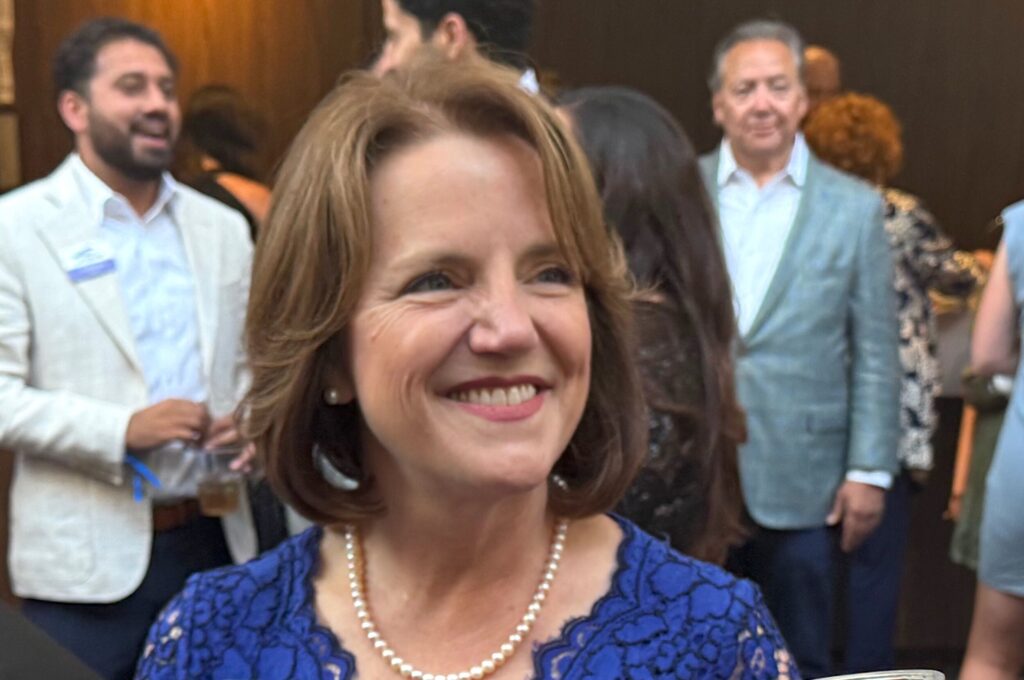
Democrat Shannon Bird to step down from Colorado legislature to campaign full-time for Congress
Ernest Luning
ernest.luning@coloradopolitics.com
Updated 8 hours ago
State Rep. Shannon Bird, a Westminster Democrat, said Sunday that she plans to resign from the Colorado legislature next month in order to focus on running for the 8th Congressional District seat held by Republican U.S. Rep. Gabe Evans. Bird...

Trump administration seeks to roll back protections for imperiled species | OUT WEST ROUNDUP
The Associated Press
the-associated-press@coloradopolitics.com
Updated 4 days ago
MONTANA Endangered species rollback sought BILLINGS — President Donald Trump’s administration moved on Nov. 19 to roll back protections for imperiled species and the places they live, reviving a suite of changes to Endangered Species Act regulations from the Republican’s...
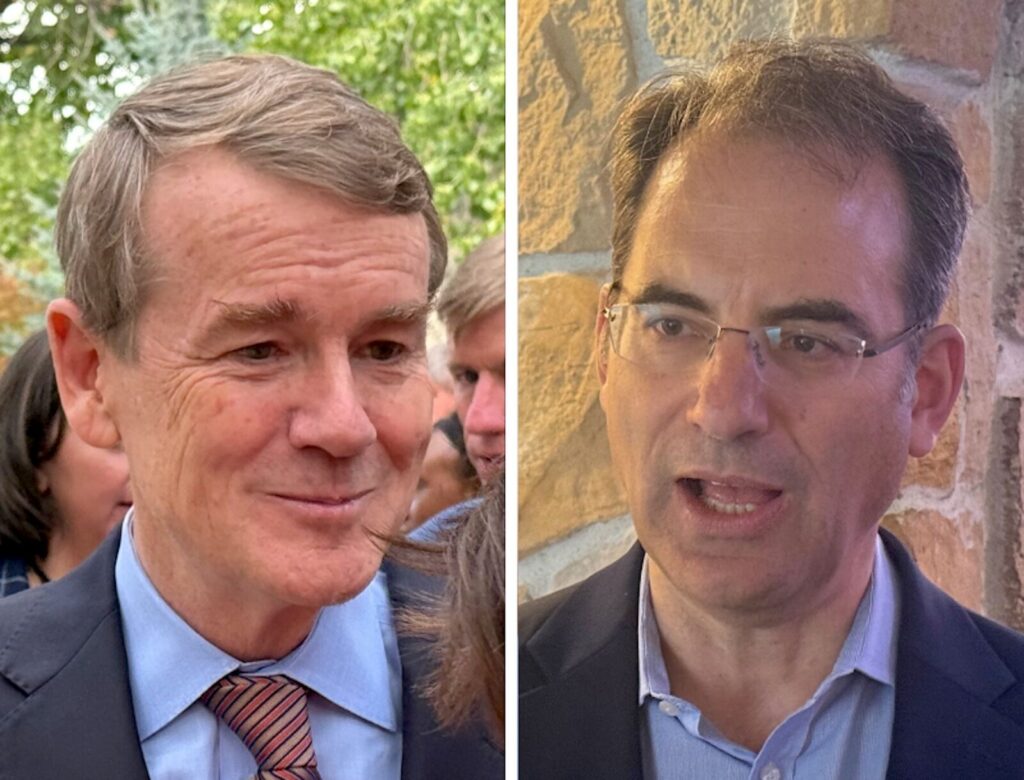
Clash of the titans: Democratic race for governor pits two candidates similar in focus, but very different in style | Vince Bzdek
Vince Bzdek
vince.bzdek@gazette.com
Updated 1 day ago
By Vince Bzdek The race for governor is shaping up to be a clash of Democratic titans, U.S. Sen. Michael Bennet and Attorney General Phil Weiser. They are two of Colorado’s highest profile politicians with deep track records who...
Calendar Dec. 8-14
Rachael Wright
rachael.wright@coloradopolitics.com
Updated 5 days ago
CoPo’s weekly political calendar will help you find political and public-policy events throughout Colorado. It includes candidate and issue campaign events, public policy meetings, court hearings, state and local party conventions, assemblies, debates, rallies, parades, speaking engagements, traveling dignitary appearances,...
PREV
PREVIOUS
Colorado's Weiser joins 20 attorneys general in highlighting Education Department's alleged mishandling of student loans
Colorado Attorney General Phil Weiser joined 19 other states and the District of Columbia in support of a lawsuit against the federal Department of Education, calling out its “pervasive errors” in administering the Public Service Loan Forgiveness program. In Weingarten v. U.S. Department of Education, plaintiffs allege that the department provided inaccurate information and unfair […]

Bennet to hold post-Thanksgiving town hall meeting
Colorado’s U.S. Sen. Michael Bennet announced that he will hold a town hall meeting in Denver on the Friday after Thanksgiving. A press release reported that Bennet will take questions and listen to concerns. His office encourages attendees to bring children and family “in the spirit of Thanksgiving.” The meeting will take place at Montview […]