

Trump’s new Security Council boss has Colorado Springs ties
The new head of the National Security Council will be a familiar face in Colorado Springs.
President Donald Trump on Monday named Army. Lt. Gen. H.R. McMaster to the job. When McMaster was a colonel, he led a Fort Carson unit of more than 5,000 soldiers through one of the post’s successful deployments to Iraq.
Trump announced the pick Monday at his Palm Beach club and said McMaster is “a man of tremendous talent and tremendous experience,” the Associated Press reported.
McMaster has long been considered one of the Army’s top tacticians and now serves as a top deputy at Training and Doctrine Command where he works for another Fort Carson alumnus, Gen. David Perkins.
The new National Security Council boss rocketed to fame during the 1991 Persian Gulf War where he served as a captain in the 2nd Armored Cavalry Regiment. McMaster’s company-sized unit found itself amid a massive formation of Iraqi Republican Guard forces during the battle of 73 Easting.
But McMaster’s outnumbered soldiers out-matched their opponents – at the end of the battle, the Iraqis had lost 350 tanks and armored personnel carriers against two American vehicles damaged or destoyed. After the battle, McMaster appeared on a number of television programs and his role was memorialized in a Tom Clancy book.
A the time, McMaster was favorably compared to World War II legend Gen. George Patton. But it was more than a decade later in Colorado Springs where McMaster truly earned his status as a master of war.
He took over Fort Carson’s 3rd Armored Cavalry Regiment in 2004 and immediately began training its troops for a new kind of fight. Using tactics that would later be made famous during the 2007 surge in Baghdad, the Colorado Springs regiment learned how to clear Iraqi towns of insurgents, hold neighborhoods and build new local governments and police forces.
The training was put to the test in 2005 in the Iraqi city of Tal Afar, where the regiment’s troops spent months pacifying a hotbed of insurgents.
McMaster’s tactics were later applied all over Iraq as America dealt crippling blows to the insurgency in Baghdad, Ramadi and Fallujah.
After leaving command of the Colorado Springs regiment, he’s become one of the Army’s gurus for tactics and doctrine.
In a 2013 Colorado Springs visit, McMaster said that the military’s experiences in Iraq and Afghanistan are likely to be repeated by future enemies who watched American troops struggle against shadow insurgent groups.
“There are two ways to fight the U.S. military – asymmetrically or stupid,” he said. “Our enemies will interact with us in ways to evade our strength and attack what they see as our vulnerabilities.” Over the past year, he’s worked to review the Army’s training and equipment to better prepare the force for future fights.
Under his leadership, the Army is undergoing a major shift in how it plans to fight.
McMaster’s boss Gen. David Perkins praised new security council head in a Colorado Springs visit this month, saying McMaster is a driving force behind changes that will make soldiers more nimble and deadly on the battlefield.
His new job may be his toughest task to date.
McMaster replaced retired Army Lt. Gen. Michael Flynn, who lasted less than a month on the Security Council before his tenure was torpedoed by intrigue involving conversations with a Russian diplomat.
Trump fired Flynn, but has consistently blamed the Security Council shake-up on leakers who tipped the press to Flynn’s Russian dealings, reporters who covered the story, and his Democratic opponents.
“This Russian connection non-sense is merely an attempt to cover-up the many mistakes made in Hillary Clinton’s losing campaign,” Trump said on Twitter.
Trump brought four candidates for the position to Mar-a-Lago over the weekend for in-person interviews, McMaster among them.
McMaster called the appointment a “privilege.”
–
The Associated Press contributed to this report

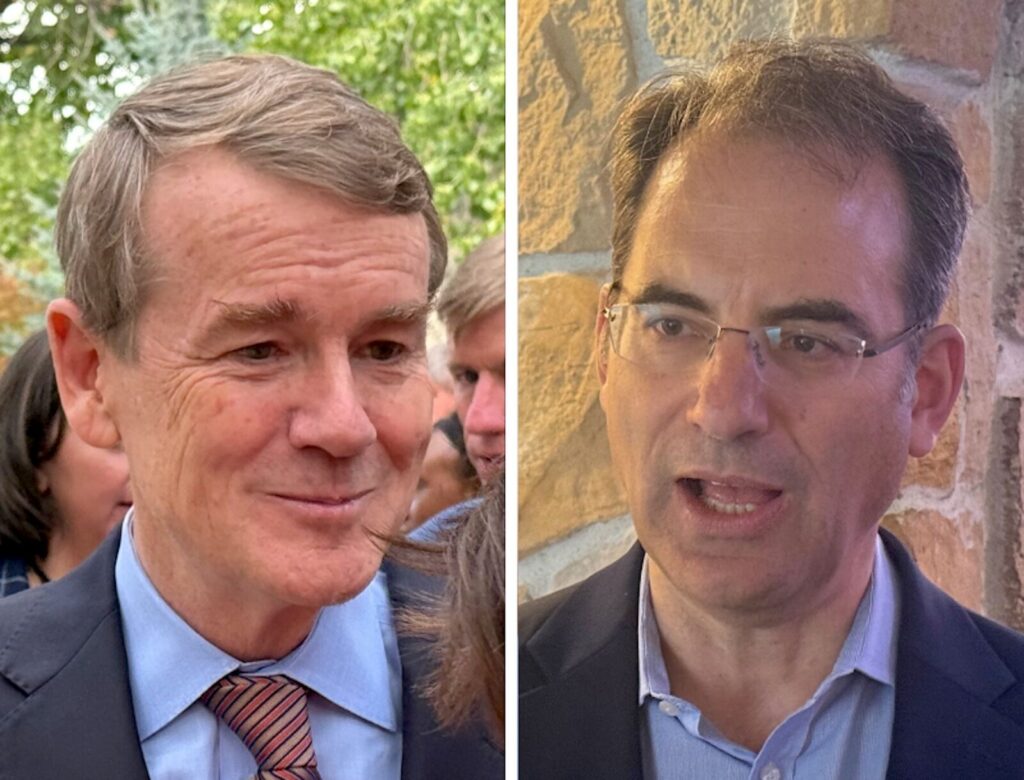
Clash of the titans: Democratic race for governor pits two candidates similar in focus, but very different in style | Vince Bzdek
Vince Bzdek
vince.bzdek@gazette.com
Updated 7 hours ago
By Vince Bzdek The race for governor is shaping up to be a clash of Democratic titans, U.S. Sen. Michael Bennet and Attorney General Phil Weiser. They are two of Colorado’s highest profile politicians with deep track records who...

Calendar Dec. 8-14
Rachael Wright
rachael.wright@coloradopolitics.com
Updated 4 days ago
CoPo’s weekly political calendar will help you find political and public-policy events throughout Colorado. It includes candidate and issue campaign events, public policy meetings, court hearings, state and local party conventions, assemblies, debates, rallies, parades, speaking engagements, traveling dignitary appearances,...
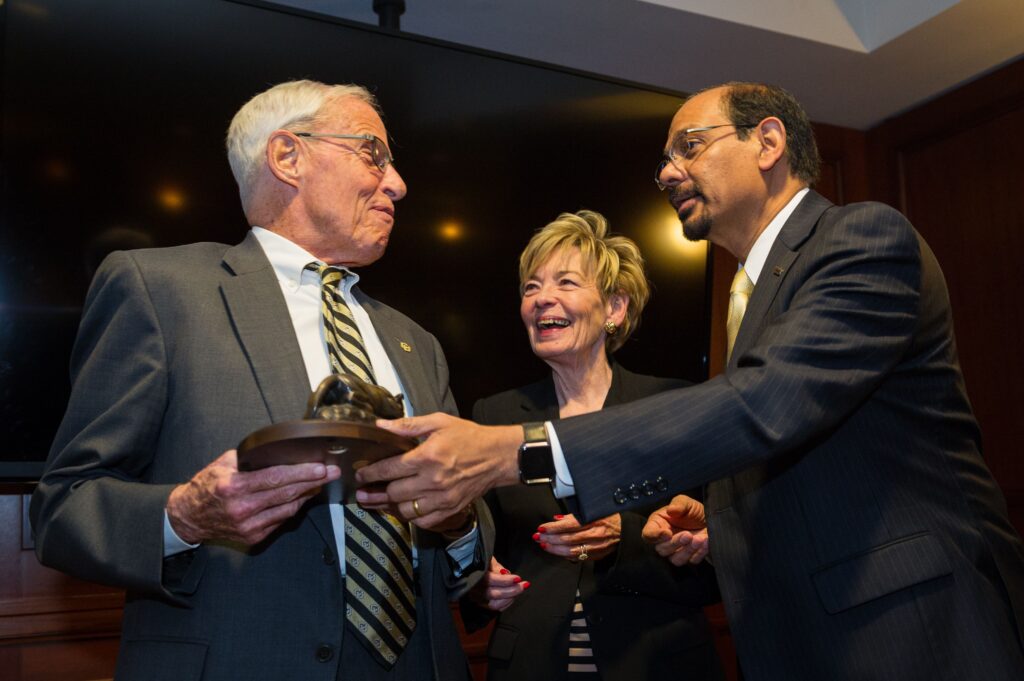
GOP chair candidates circle Benson, statehouse candidate alleges SOS voter fraud | A LOOK BACK
Rachael Wright
rachael.wright@coloradopolitics.com
Updated 4 days ago
Thirty-Five Years Ago This Week: Although Colorado Republican Party Chairman Bruce Benson had told one of his predecessors that he hadn’t yet made up his mind as to whether he’d run for a third term, party insiders had already begun...
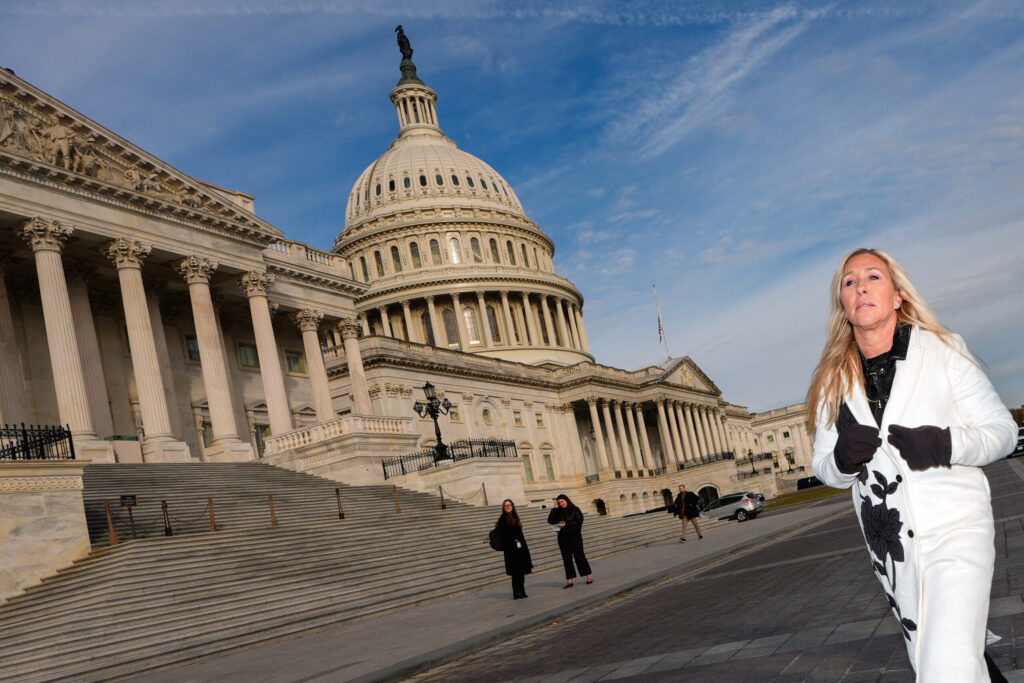
Dear Abby: A better answer to your question | SONDERMANN
Eric Sondermann
eric-sondermann@coloradopolitics.com
Updated 2 days ago
It was the beginning of October. I had been invited to speak to a class on political journalism at Colorado College, my old alma mater. The class was taught by none other than Vince Bzdek, the editor-in-chief of this paper...
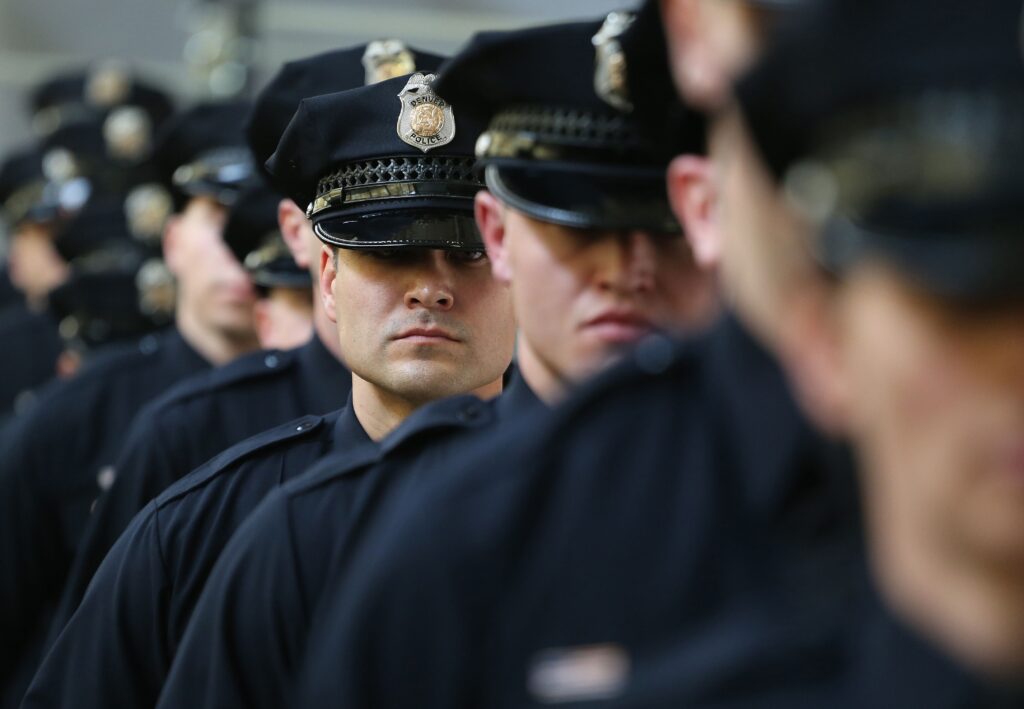
Federal judge declines to order Denver to let police critic apply for review board
Michael Karlik
michael.karlik@coloradopolitics.com
Updated 12 hours ago
A federal judge declined on Friday to order that Denver permit a longtime police critic to apply to join the board tasked with reviewing officers’ use of force. Regan Benson sought to become one of the two community members on...
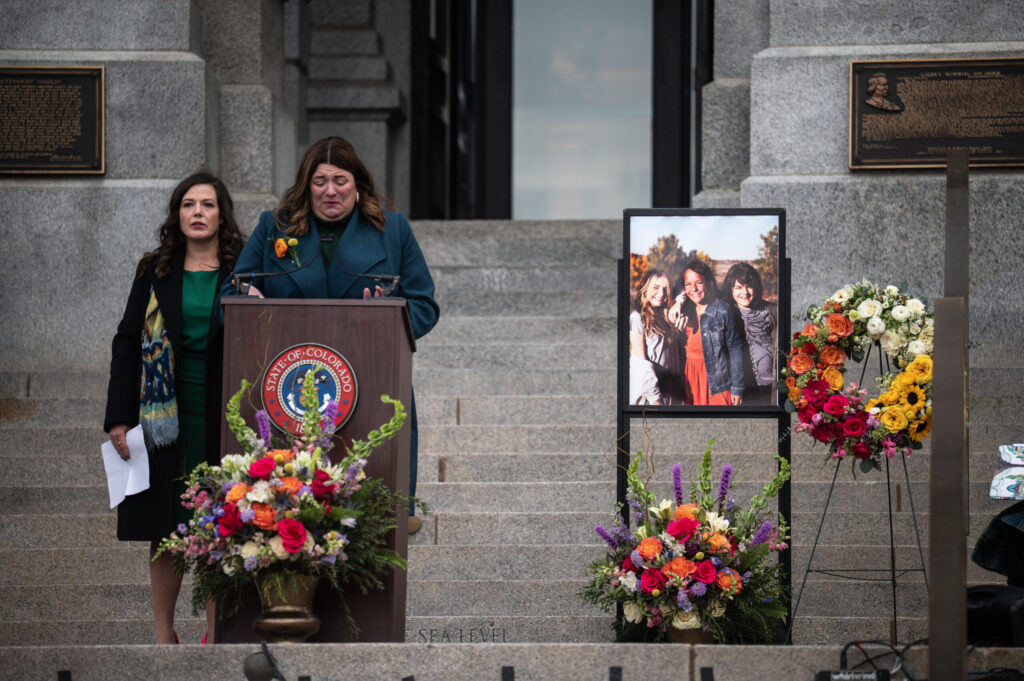
Flags lowered, colors raised: Colorado leaders and friends celebrate Sen. Faith Winter’s life
Marianne Goodland
marianne.goodland@coloradopolitics.com
Updated 1 day ago
It was the colors that stood out as hundreds braved the cold on Friday to celebrate the life of Sen. Faith Winter, who died in a two-car crash on Nov. 26. Flags at the state Capitol flew at half-staff at...
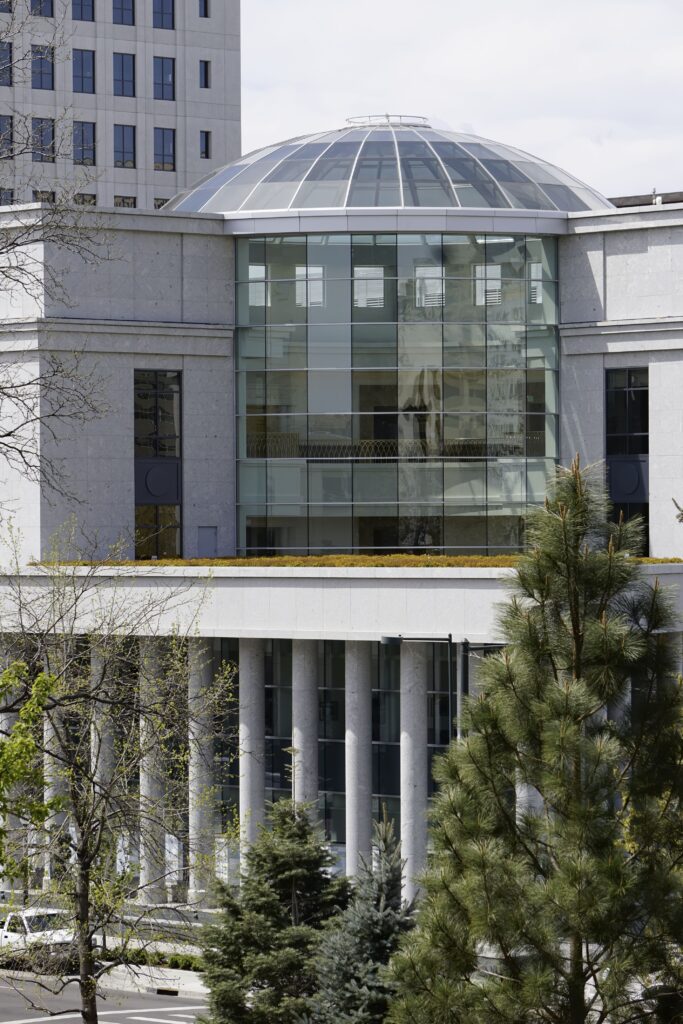
Colorado Supreme Court to hear case on ballot measure disclosure requirements
Marissa Ventrelli
marissa.ventrelli@coloradopolitics.com
Updated 1 day ago
The Colorado Supreme Court has agreed to hear a case challenging whether the state can require ballot measure committees to disclose the names of their registered agents in election communications. The case stems from a complaint filed during the 2020...
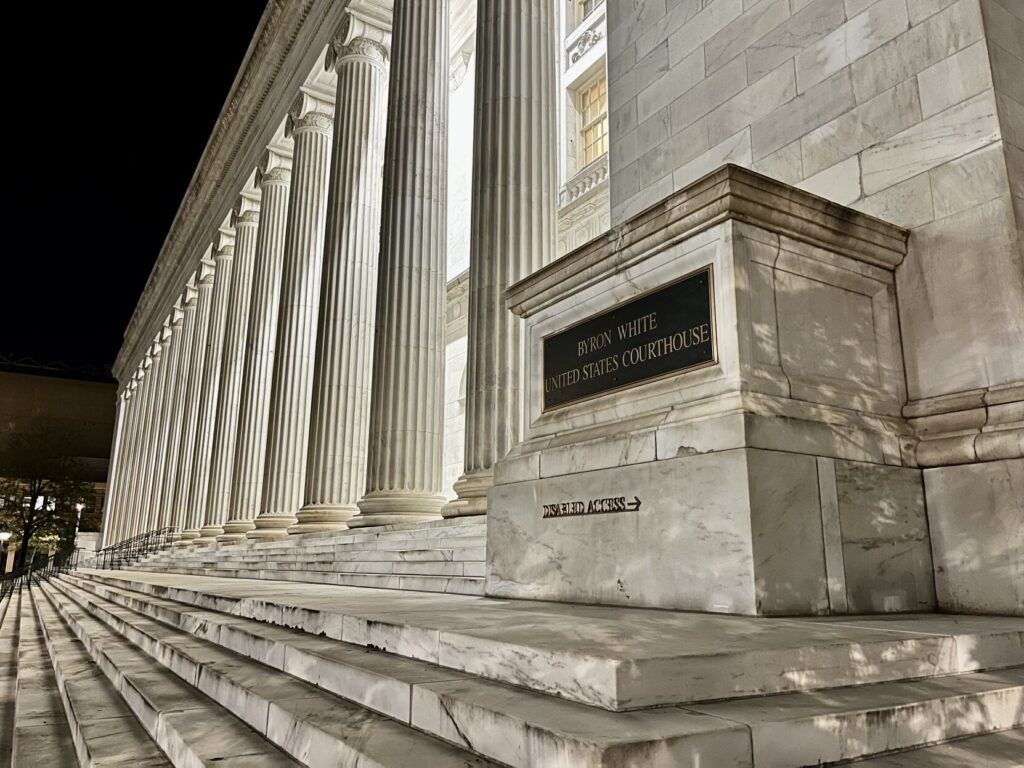
Divided 10th Circuit orders pretrial release of defendant facing drug charges
Michael Karlik
michael.karlik@coloradopolitics.com
Updated 1 day ago
The Denver-based federal appeals court overturned a judge’s order keeping a defendant in custody pending trial on Friday, ruling 2-1 that she was entitled to release under the law. Erika Esmeralda Garcia stands accused of two charges related to the...
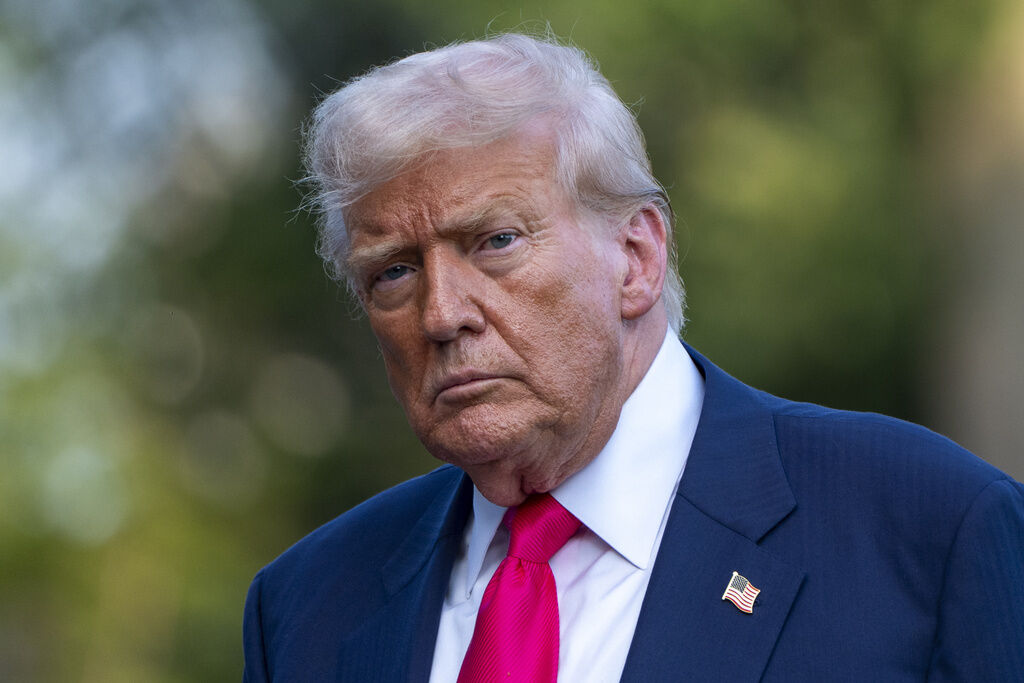
Trump finally gets his peace prize as FIFA hands him inaugural award at World Cup draw
Christian Datoc and Mabinty Quarshie, Washington Examiner
christian.datoc.and.mabinty.quarshie.washington.examiner@gazetteedit.wpenginepowered.com
Updated 1 day ago
President Donald Trump has long said he is unbothered by being snubbed for a Nobel Peace Prize. However, that did not stop his friend and FIFA President Gianni Infantino from handing him an award and a medal on Friday, seemingly created just...
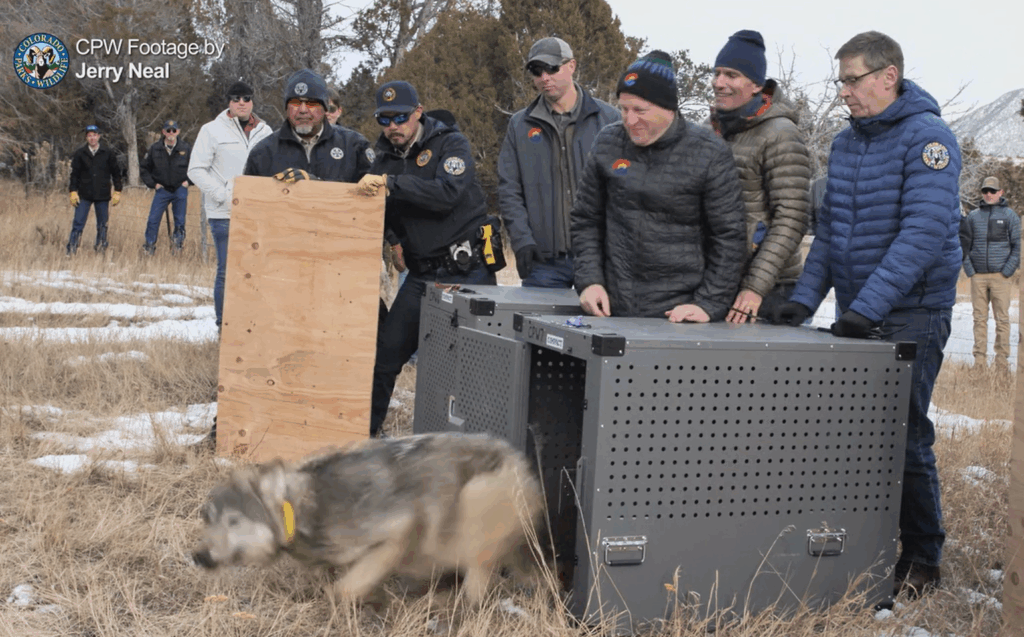
Outgoing CPW director Jeff Davis lands new role, same salary amid Colorado hiring freeze
Marianne Goodland
marianne.goodland@coloradopolitics.com
Updated 1 day ago
Jeff Davis, who resigned as director of Colorado Parks and Wildlife late last month, will continue to receive the same salary in his new role as a senior policy adviser to the Department of Natural Resources, according to the department....