

Denver’s soul food scholar examines White House chefs
Denver native Adrian Miller started thinking about a book on White House chefs in 2009, the day he gave a speech in Michigan for the Southern Foodways Alliance on the same day President Obama was inaugurated.
The idea became the book “The President’s Kitchen Cabinet, The Story of African Americans Who Fed Our First Families, From the Washingtons to the Obamas.” It officially goes on sale Monday, which, not coincidentally, is President’s Day, and is available online.
But instead of the nation’s first woman president taking office – one of Miller’s former employers, Hillary Clinton – it is Donald Trump’s America, one of walls and executive orders.
The context of the book about black people in American political history was rewritten outside its pages.
“There actually might be more intense interest in this book for at least half of the country, who say, ‘Oh, this may be some good news about the White House,”‘ Miller said in the brown faux leather chairs in the lobby of the History Colorado Museum Saturday afternoon, before the launch party for his book on White House chefs.
“For others, it’s a unique perspective on the presidency we’ve just never really had … there’s never been a real narrative that looks at the role of the chef in the overall arc of White House history, viewed from the kitchen up.”
His book has three narratives. One, that these chefs were culinary geniuses. Secondly, in many cases, they were family confidants, which was often difficult in their times’ racial dynamics and, as such, they were often passive but effective civil rights activists.
That came with burden, when their friends and black activists pressured White House servants from one side, and their sense of patriotism and deep loyalty to the presidential family was an immovable object on the other.
Chefs live history in an apron.
Charlie Redden was a White House executive chef from 1995 to 2001 during the Clinton administration. He lives in Upper Marlboro, Md., and has a business, Chef Charlie Catering, that creates White House-caliber dining experiences, he said.
He called it a wonderful experience, but with no room for mistakes.
“I never messed anything up, but I had a lot of opportunities,” Redden said.
Bill Clinton was friendly and warm, like a big brother, or a father figure, Redden said. The president wasn’t crazy about eating healthy, his chef conceded, but Hillary Clinton kept a close watch.
“She kept him in line,” the chef said.
The president wasn’t picky, or “versatile,” as Redden put it. “A lot of Mexican food, different health foods, in the morning granola bagels.
His path to become White House chef ran through the military.
“It was a Navy gig,” Redden said. He cooked for captains, admirals and visiting dignitaries. The White House looked at 700 military cooks, and he got the “gig.”
Before he joined the Navy, Redden went to a vocational high school, Howard Career Center in Wilmington, Del., where his instructor was successful airport restaurant operator Lucian Dillingham.
“If it hadn’t been for him, I probably wouldn’t have gotten anywhere,” Redden said.
Another speaker at Miller’s book launch Saturday had less cooking experience but also had been a culinary pleasure to the White House.
Kiana Farkash was 8 when she was picked to go to the White House for the Kids’ State Dinner in 2014. She was a winner in Michelle Obama’s Healthy Lunchtime Challenge in 2014, after she submitted a recipe that was required to be “healthy, delicious and affordable.”
Kiana crafted a grilled salmon with a farro and a warm Swiss chard salad, along with an orange juice and coconut milk smoothie.
Meeting the first lady to talk about healthy cooking was a thrill, Kiana said.
“She told me I was beautiful, so, yeah, that was really cool,” she said.
Evolution of food and its scholar
Miller has been interested in the cultural evolution of food, especially Southern soul food and the chefs who make it. He said in an interview for his earlier work that traditional African-American dishes are getting healthier, but they aren’t lost to history.
“The future of soul food is kind of tricky to figure out,” he said then.
Miller’s life has been a smorgasbord. A writer and food historian make up a chapter, not the whole story.
Educated at Stanford and Georgetown, Miller was a Denver lawyer until he joined the Clinton administration at the White House to be deputy director of the President’s Initiative for One America to work on the opportunity gaps for minorities.
After that, he came home to Denver with the idea of someday running for U.S. Senate. For awhile he was the lawyer and director of outreach for the Bell Policy Center think tank. These days, Miller is the executive director of the Colorado Council of Churches.
Once, between jobs, he picked up a book on Southern food. Miller grew up in Denver, but his father is from Helena, Ark., and his mother is from Chattanooga, Tenn.
In “Southern Food: At Home, On the Road, In History” John Egerton wrote. “The tribute to African-American achievement in cookery is yet to be written.”
That inspired Miller.
His first book, “Soul Food: The Surprising Story of an American Cuisine, One Plate at a Time,” won a 2014 James Beard Foundation Book Award.
He grew up in the Campbell Chapel African Methodist Episcopal Church in Denver, where he saw first-hand the mix of politics and the plate.
“Different kind of politics, but I learned a lot about food,” he said, pivoting away from church politics. “Church and food are almost hand-in-hand. My faith tradition is African Methodist Episcopal, and some people say the AME stands for ‘always meet and eat.'”

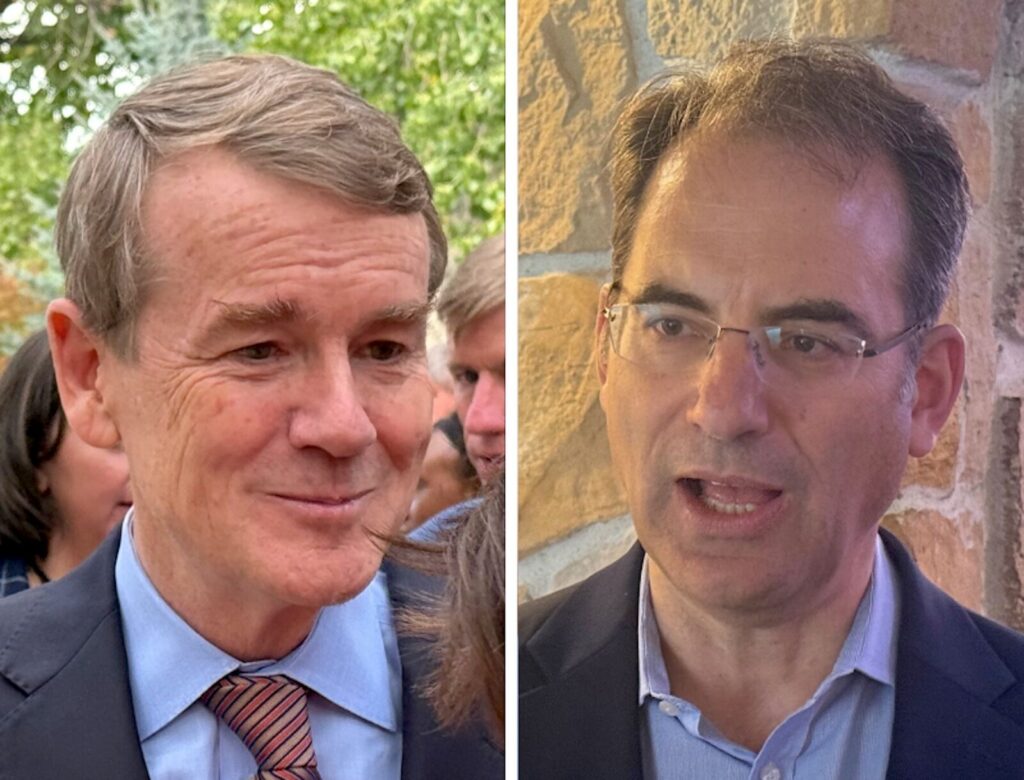
Clash of the titans: Democratic race for governor pits two candidates similar in focus, but very different in style | Vince Bzdek
Vince Bzdek
vince.bzdek@gazette.com
Updated 3 hours ago
By Vince Bzdek The race for governor is shaping up to be a clash of Democratic titans, U.S. Sen. Michael Bennet and Attorney General Phil Weiser. They are two of Colorado’s highest profile politicians with deep track records who...

Calendar Dec. 8-14
Rachael Wright
rachael.wright@coloradopolitics.com
Updated 3 days ago
CoPo’s weekly political calendar will help you find political and public-policy events throughout Colorado. It includes candidate and issue campaign events, public policy meetings, court hearings, state and local party conventions, assemblies, debates, rallies, parades, speaking engagements, traveling dignitary appearances,...
GOP chair candidates circle Benson, statehouse candidate alleges SOS voter fraud | A LOOK BACK
Rachael Wright
rachael.wright@coloradopolitics.com
Updated 3 days ago
Thirty-Five Years Ago This Week: Although Colorado Republican Party Chairman Bruce Benson had told one of his predecessors that he hadn’t yet made up his mind as to whether he’d run for a third term, party insiders had already begun...
Dear Abby: A better answer to your question | SONDERMANN
Eric Sondermann
eric-sondermann@coloradopolitics.com
Updated 1 day ago
It was the beginning of October. I had been invited to speak to a class on political journalism at Colorado College, my old alma mater. The class was taught by none other than Vince Bzdek, the editor-in-chief of this paper...
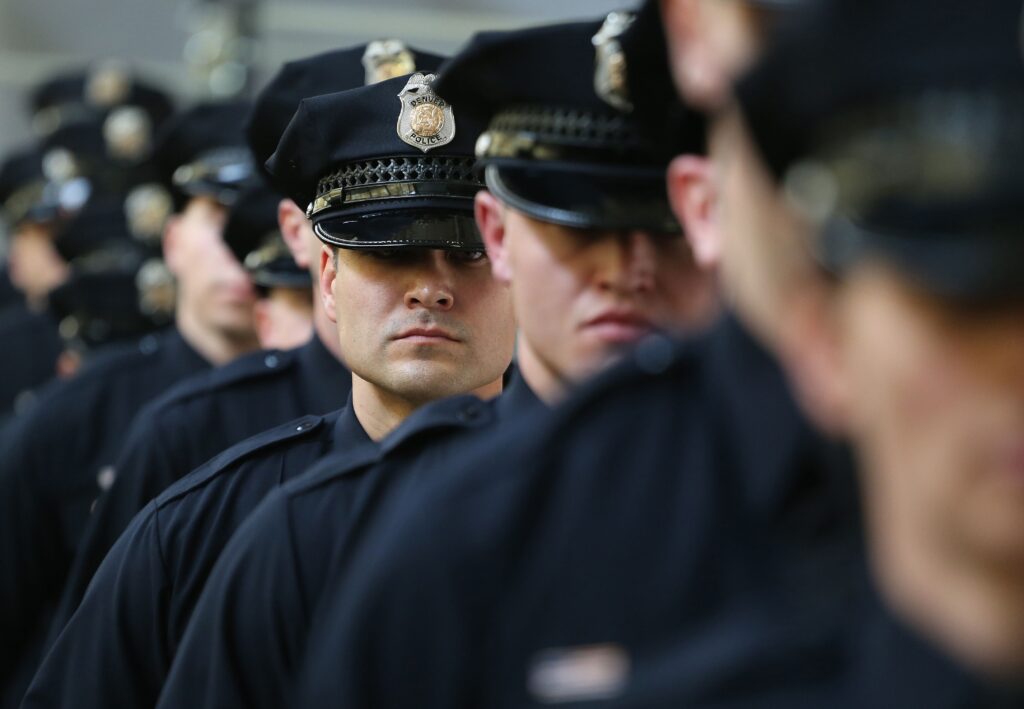
Federal judge declines to order Denver to let police critic apply for review board
Michael Karlik
michael.karlik@coloradopolitics.com
Updated 7 hours ago
A federal judge declined on Friday to order that Denver permit a longtime police critic to apply to join the board tasked with reviewing officers’ use of force. Regan Benson sought to become one of the two community members on...
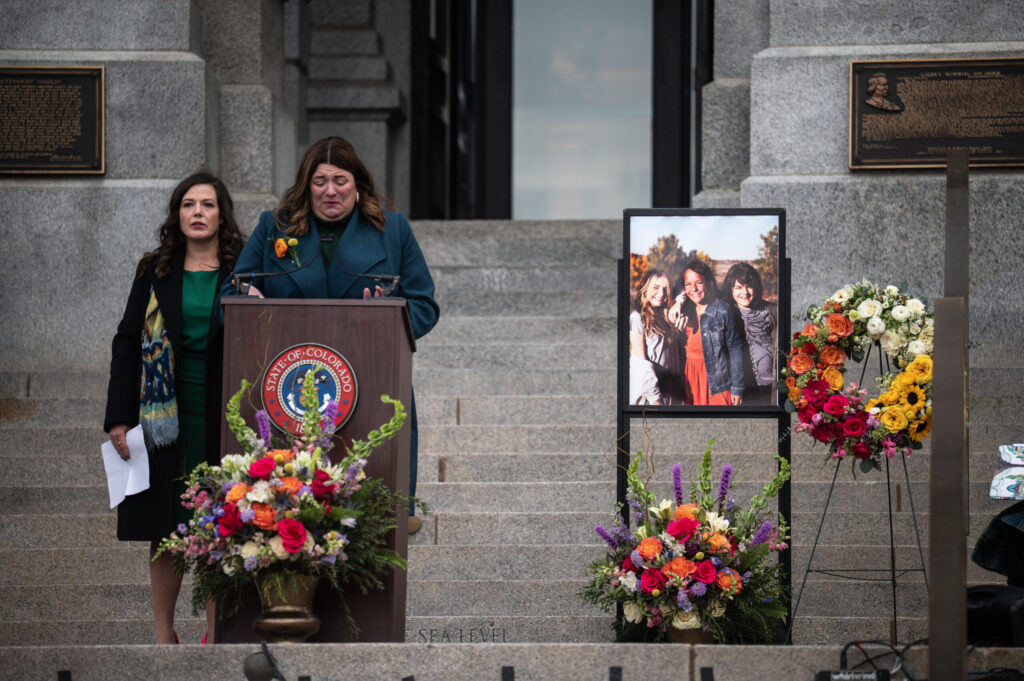
Flags lowered, colors raised: Colorado leaders and friends celebrate Sen. Faith Winter’s life
Marianne Goodland
marianne.goodland@coloradopolitics.com
Updated 1 day ago
It was the colors that stood out as hundreds braved the cold on Friday to celebrate the life of Sen. Faith Winter, who died in a two-car crash on Nov. 26. Flags at the state Capitol flew at half-staff at...
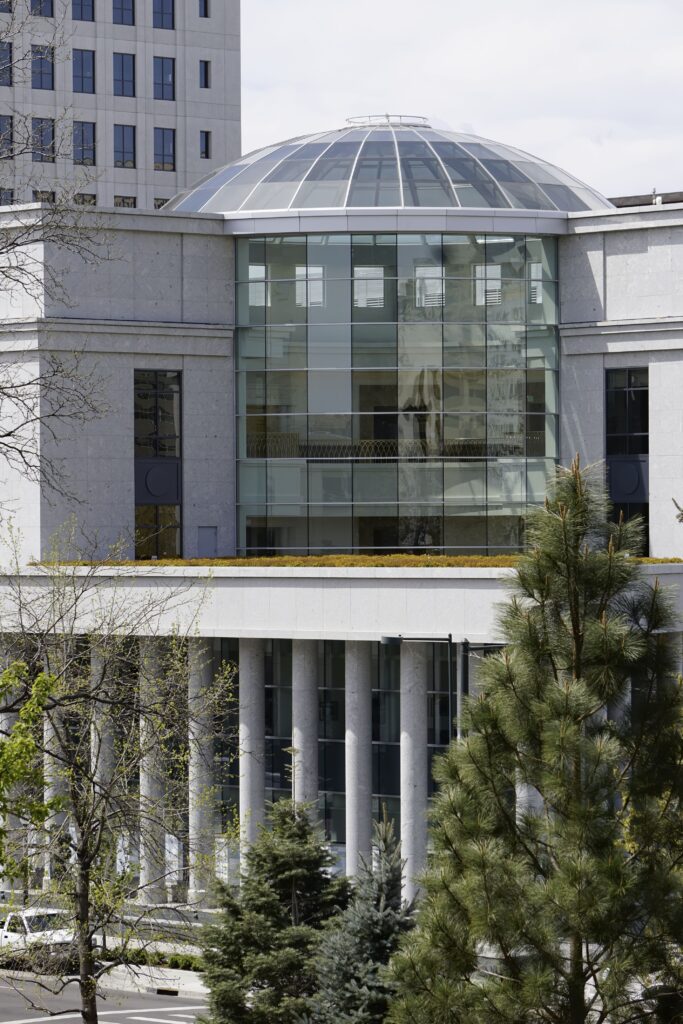
Colorado Supreme Court to hear case on ballot measure disclosure requirements
Marissa Ventrelli
marissa.ventrelli@coloradopolitics.com
Updated 1 day ago
The Colorado Supreme Court has agreed to hear a case challenging whether the state can require ballot measure committees to disclose the names of their registered agents in election communications. The case stems from a complaint filed during the 2020...
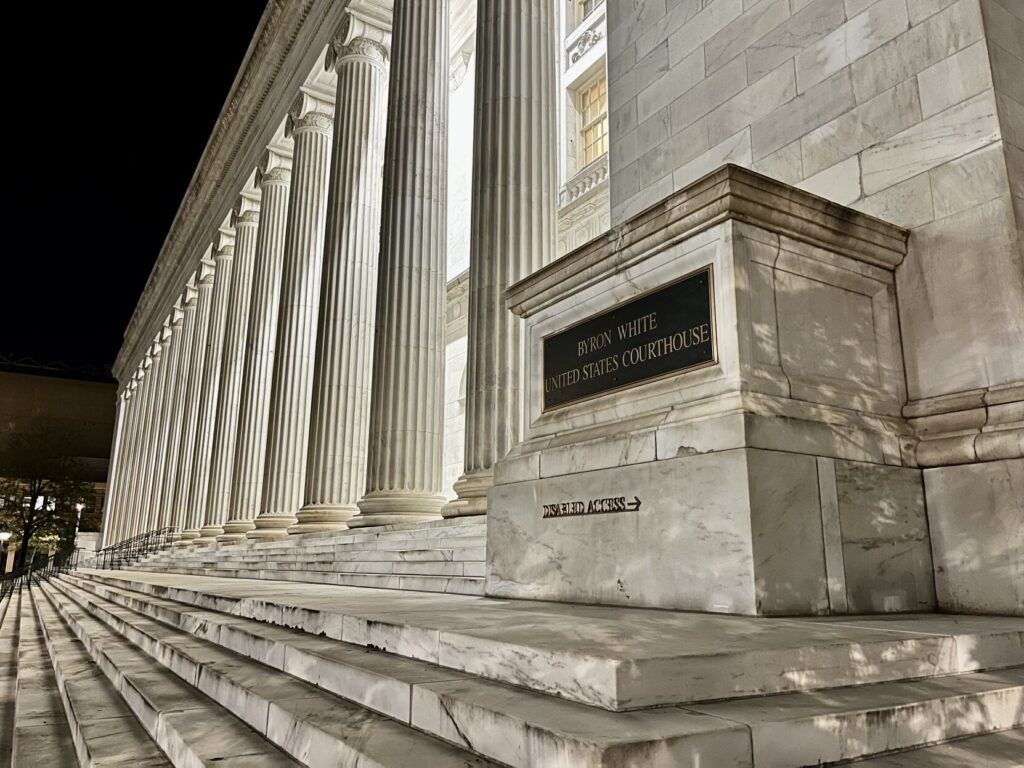
Divided 10th Circuit orders pretrial release of defendant facing drug charges
Michael Karlik
michael.karlik@coloradopolitics.com
Updated 24 hours ago
The Denver-based federal appeals court overturned a judge’s order keeping a defendant in custody pending trial on Friday, ruling 2-1 that she was entitled to release under the law. Erika Esmeralda Garcia stands accused of two charges related to the...
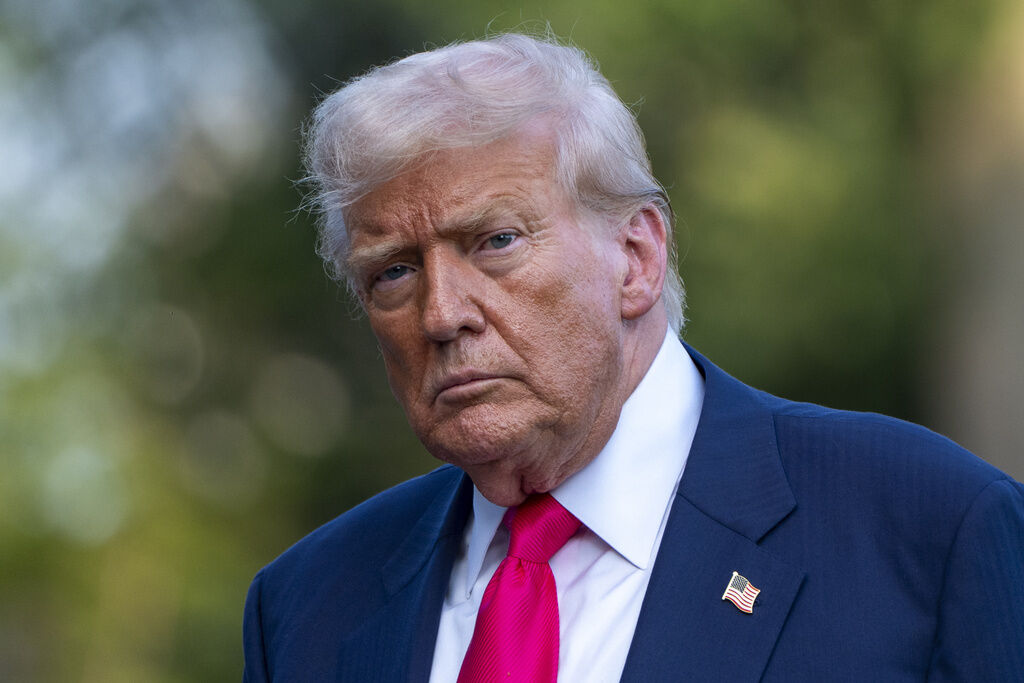
Trump finally gets his peace prize as FIFA hands him inaugural award at World Cup draw
Christian Datoc and Mabinty Quarshie, Washington Examiner
christian.datoc.and.mabinty.quarshie.washington.examiner@gazetteedit.wpenginepowered.com
Updated 1 day ago
President Donald Trump has long said he is unbothered by being snubbed for a Nobel Peace Prize. However, that did not stop his friend and FIFA President Gianni Infantino from handing him an award and a medal on Friday, seemingly created just...

Outgoing CPW director Jeff Davis lands new role, same salary amid Colorado hiring freeze
Marianne Goodland
marianne.goodland@coloradopolitics.com
Updated 1 day ago
Jeff Davis, who resigned as director of Colorado Parks and Wildlife late last month, will continue to receive the same salary in his new role as a senior policy adviser to the Department of Natural Resources, according to the department....