

Housing credits still top Democrats’ wish list for 2016
Housing credits, the House Democrats’ answer to the controversy over construction-defects legislation last session, are likely to come back next session, according to two legislators who addressed Denver Democrats.
It’s not only low-income residents who struggle to find affordable housing — the middle class is increasingly getting squeezed out of the market as well, according to lawmakers who spoke at a Sept. 11 Downtown Denver Democrats forum at a downtown restaurant.
House Majority Leader Crisanta Duran, D-Denver, and state Rep. Steve Lebsock, D-Thornton, visited with forum members to solicit ideas for addressing the metro area’s increasing shortage of affordable housing.
Lebsock told the group that, while he supports the tax-credit ideas promoted by House Democrats, he’s looking for more suggestions.
“We don’t have enough affordable housing,” Lebsock flatly declared, noting a 2011 Thornton housing assessment showed the city was short thousands of affordable units in the rental market.
But there’s another side to the issue.
“How do we create an environment where people make enough money to pay the rent and the mortgage?” he asked.
Duran pointed to the workforce-development package passed this year as a way to raise wages so residents don’t have to spend more than 30 percent of their incomes for housing, the standard for affordable living.
Tax credits are one incentive to encourage developers to either build or redevelop affordable housing, she said. Since a tax credit for developers was passed several years ago, the Colorado Housing and Finance Authority has done three rounds of applications, awarding 14 in that latest round. In the next session, Duran says she hopes to see that tax credit extended. “It’s having an impact statewide,” she said.
Forum members also want to see legislators address housing for the homeless. According to several at the breakfast, Phoenix, Salt Lake City and Philadelphia have developed multi-dimensional programs that combine housing with mental health services.
“We can do a better job,” Lebsock acknowledged, but Duran said such housing investments compete for limited state dollars. Democrats also suggested that transit-oriented development —built at RTD light rail stations throughout the metro area — should be extended to bus lines, which reach more low-income residents.


Trump administration seeks to roll back protections for imperiled species | OUT WEST ROUNDUP
The Associated Press
the-associated-press@coloradopolitics.com
Updated 3 days ago
MONTANA Endangered species rollback sought BILLINGS — President Donald Trump’s administration moved on Nov. 19 to roll back protections for imperiled species and the places they live, reviving a suite of changes to Endangered Species Act regulations from the Republican’s...
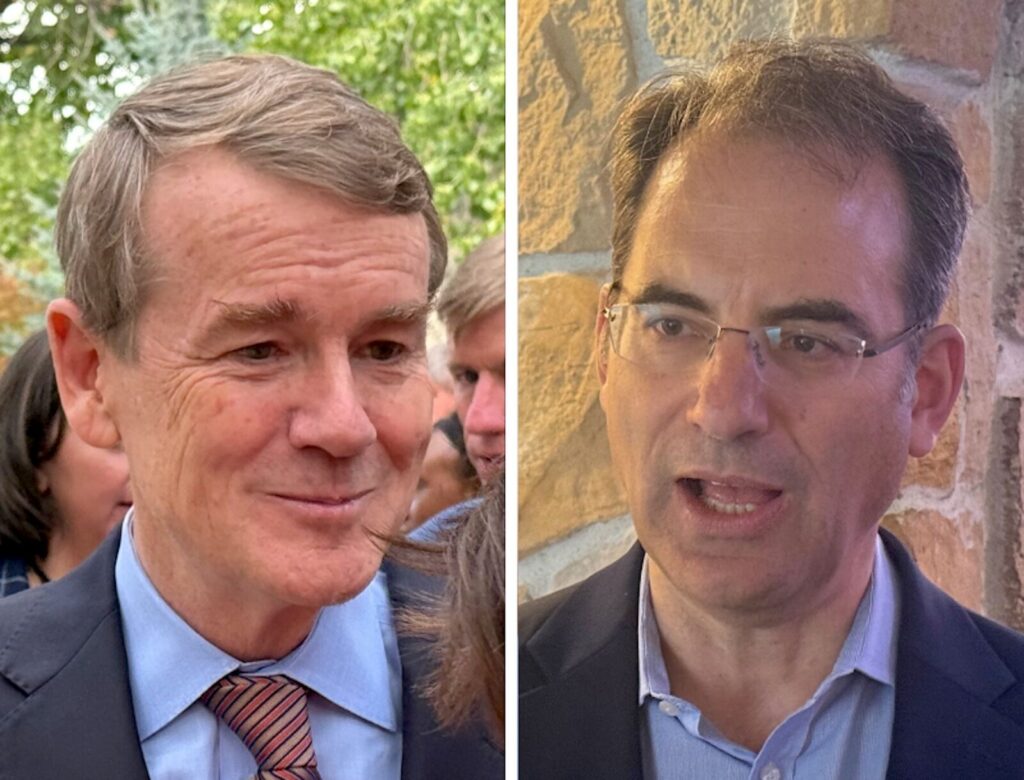
Clash of the titans: Democratic race for governor pits two candidates similar in focus, but very different in style | Vince Bzdek
Vince Bzdek
vince.bzdek@gazette.com
Updated 4 hours ago
By Vince Bzdek The race for governor is shaping up to be a clash of Democratic titans, U.S. Sen. Michael Bennet and Attorney General Phil Weiser. They are two of Colorado’s highest profile politicians with deep track records who...

Calendar Dec. 8-14
Rachael Wright
rachael.wright@coloradopolitics.com
Updated 4 days ago
CoPo’s weekly political calendar will help you find political and public-policy events throughout Colorado. It includes candidate and issue campaign events, public policy meetings, court hearings, state and local party conventions, assemblies, debates, rallies, parades, speaking engagements, traveling dignitary appearances,...
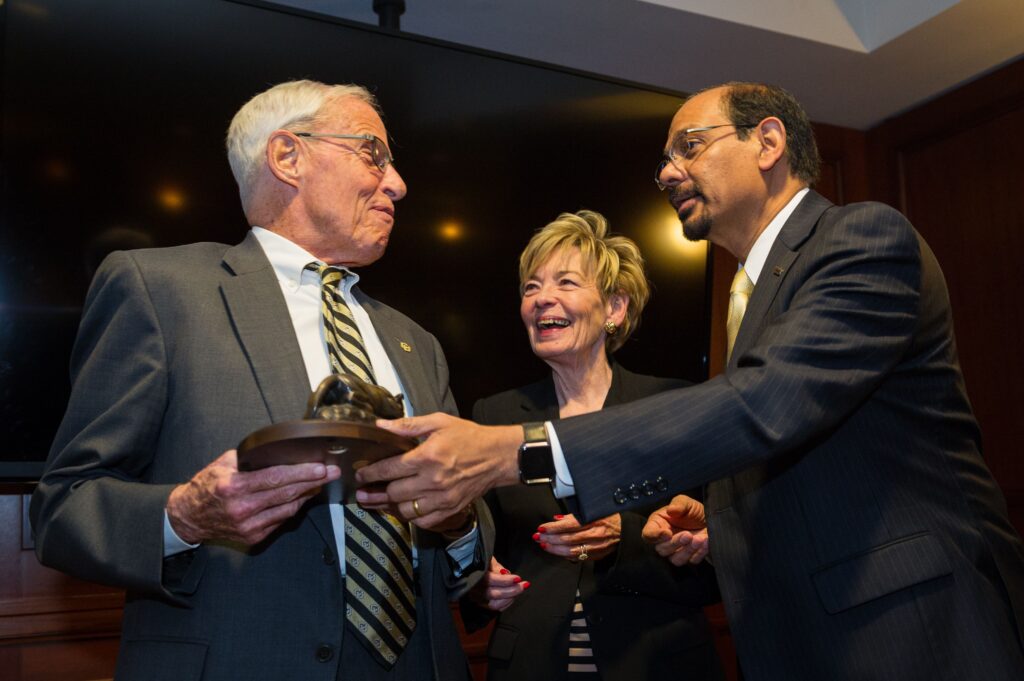
GOP chair candidates circle Benson, statehouse candidate alleges SOS voter fraud | A LOOK BACK
Rachael Wright
rachael.wright@coloradopolitics.com
Updated 4 days ago
Thirty-Five Years Ago This Week: Although Colorado Republican Party Chairman Bruce Benson had told one of his predecessors that he hadn’t yet made up his mind as to whether he’d run for a third term, party insiders had already begun...
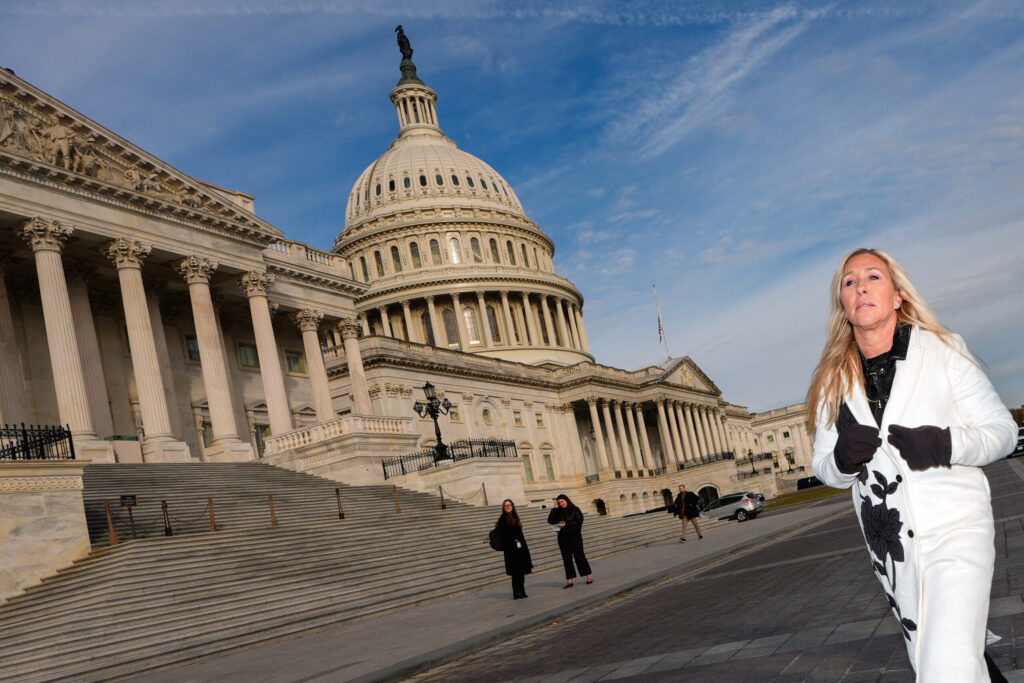
Dear Abby: A better answer to your question | SONDERMANN
Eric Sondermann
eric-sondermann@coloradopolitics.com
Updated 2 days ago
It was the beginning of October. I had been invited to speak to a class on political journalism at Colorado College, my old alma mater. The class was taught by none other than Vince Bzdek, the editor-in-chief of this paper...

Federal judge declines to order Denver to let police critic apply for review board
Michael Karlik
michael.karlik@coloradopolitics.com
Updated 51 minutes ago
A federal judge declined on Friday to order that Denver permit a longtime police critic to apply to join the board tasked with reviewing officers’ use of force. Regan Benson sought to become one of the two community members on...
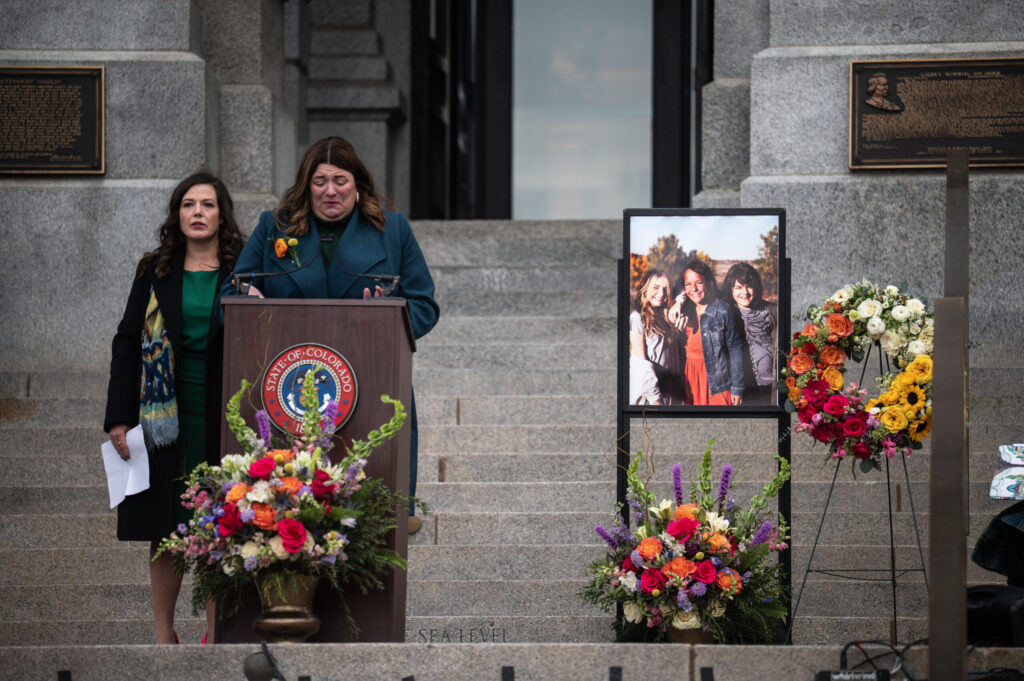
Flags lowered, colors raised: Colorado leaders and friends celebrate Sen. Faith Winter’s life
Marianne Goodland
marianne.goodland@coloradopolitics.com
Updated 2 days ago
It was the colors that stood out as hundreds braved the cold on Friday to celebrate the life of Sen. Faith Winter, who died in a two-car crash on Nov. 26. Flags at the state Capitol flew at half-staff at...
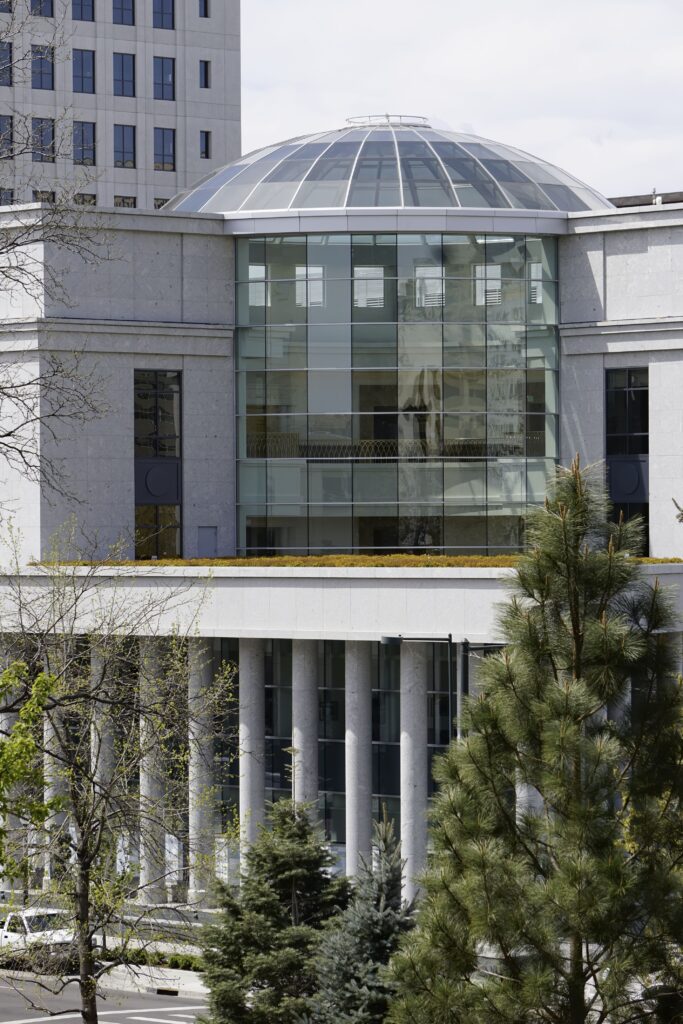
Colorado Supreme Court to hear case on ballot measure disclosure requirements
Marissa Ventrelli
marissa.ventrelli@coloradopolitics.com
Updated 2 days ago
The Colorado Supreme Court has agreed to hear a case challenging whether the state can require ballot measure committees to disclose the names of their registered agents in election communications. The case stems from a complaint filed during the 2020...
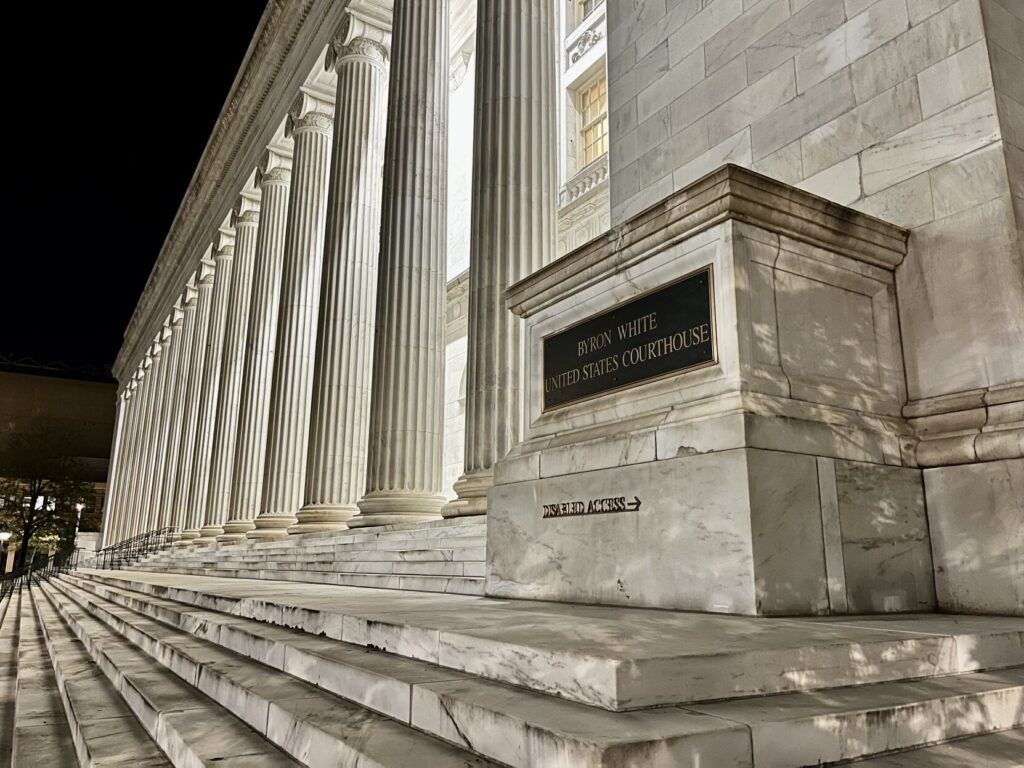
Divided 10th Circuit orders pretrial release of defendant facing drug charges
Michael Karlik
michael.karlik@coloradopolitics.com
Updated 2 days ago
The Denver-based federal appeals court overturned a judge’s order keeping a defendant in custody pending trial on Friday, ruling 2-1 that she was entitled to release under the law. Erika Esmeralda Garcia stands accused of two charges related to the...

Trump finally gets his peace prize as FIFA hands him inaugural award at World Cup draw
Christian Datoc and Mabinty Quarshie, Washington Examiner
christian.datoc.and.mabinty.quarshie.washington.examiner@gazetteedit.wpenginepowered.com
Updated 2 days ago
President Donald Trump has long said he is unbothered by being snubbed for a Nobel Peace Prize. However, that did not stop his friend and FIFA President Gianni Infantino from handing him an award and a medal on Friday, seemingly created just...
PREV
PREVIOUS

Republicans are circling, not yet pouncing on Bennet
The first week or so of October could be busy in Colorado political circles. Look for a “major announcement” in early October from District Attorney George Brauchler. The Arapahoe County Republican continues to weigh whether to run for the U.S. Senate seat held by Democrat Michael Bennet, pegged as the lone incumbent Senate Democrat considered […]

Sloan: Bennet defends Iran vote at Club 20 meeting
GRAND JUNCTION — Twice a year, western Colorado becomes, for a moment, the focal point of the state’s political class. Club 20, an advocacy organization representing interests on the Western Slope, had its fall meeting in Grand Junction on Saturday, drawing politicians, lobbyists and the civic-minded from across the state. While most of the meeting […]